
















Story Highlight
– Melatonin use for children is rising amid sleep difficulties.
– UK prescriptions limit melatonin access, leading to online purchases.
– Safety concerns raised over unregulated melatonin gummy doses.
– Experts advise addressing root sleep issues rather than supplements.
– Individual sleep patterns and routines play crucial roles in sleep.
Full Story
In recent years, the use of melatonin has evolved significantly from a niche remedy predominantly utilised by international travelers combating jet lag, to a commonly sought-after sleep aid within homes across the UK. Today, it is not unusual to find parents turning to melatonin as a means to help their children fall asleep. This trend raises important questions about the safety and appropriateness of melatonin, particularly in light of the rising popularity of melatonin supplements among families.
Dr. Lindsay Browning, a specialist in sleep disorders and an expert at TroubleSleeping.co.uk, indicates that the surge in interest surrounding melatonin can be attributed to various factors, including the influence of social media. She notes that many parents are sourcing melatonin online or acquiring it during international trips, highlighting that in the UK, melatonin is strictly available through prescriptions. “With social media being so vocal about improving sleep, there has been an increased interest in sleep aids like melatonin, which has probably led to this increase in use,” explains Dr Browning.
Melatonin, often referred to as the “sleep hormone,” plays a critical role in regulating the body’s circadian rhythms and sleep cycles. Its natural production rises in response to darkness, signalling the brain and body to prepare for sleep by reducing blood pressure and body temperature. Conversely, melatonin levels decline with increased light exposure, which prompts wakefulness.
In the United States, melatonin is readily available as an over-the-counter supplement for both children and adults. This contrasts sharply with the regulations in the UK, where access is limited to those with prescriptions, typically for children diagnosed with conditions such as autism, ADHD, or other neurodevelopmental disorders that may disrupt natural melatonin production.
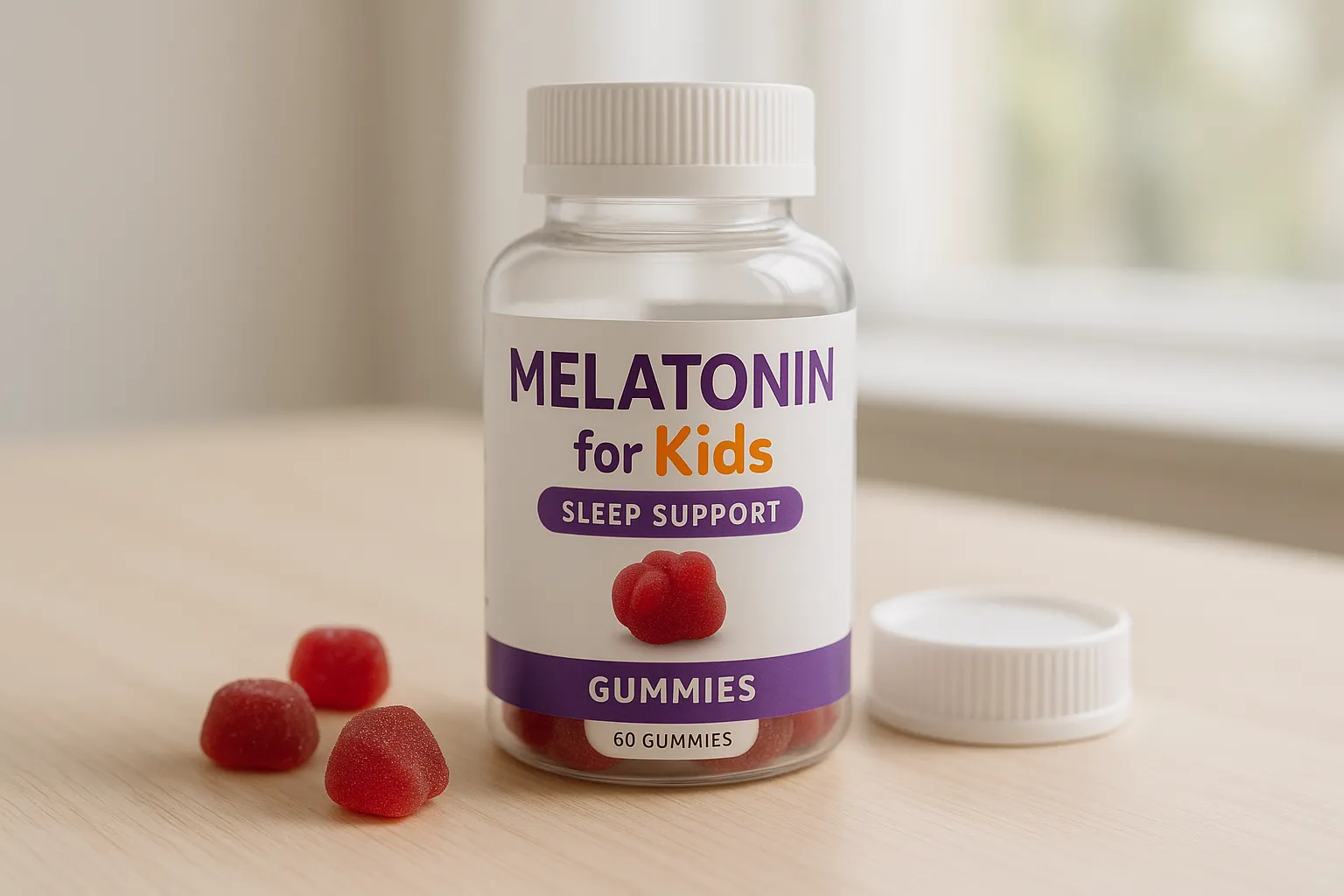
Concerns regarding the safety of melatonin use came to a head last year when reports emerged about children in Australia suffering non-fatal overdoses linked to melatonin gummies sold online. Following these reports, the Therapeutic Goods Administration (TGA) in Australia issued a warning about the safety of imported, unregistered melatonin products, revealing that many branded gummies contained unpredictable levels of the hormone, sometimes exceeding the advertised dosage by significant margins. “This variability in melatonin content raises serious safety concerns for consumers, including the risk of hospitalisation and accidental overdose, especially in children,” the TGA stated.
Mandy Gurney, the founder of the Millpond Children’s Sleep Clinic, echoed these safety concerns, urging vigilance among parents regarding the source of melatonin they administer to their children. “My worry for parents is, where’s the melatonin coming from in the first place?” she asks. “Is it prescribed? Are they buying it online? Are they these gummies? We’ve got absolutely no idea how much melatonin is in those because it’s not regulated.”
In the UK, prescription of melatonin is typically reserved for children with specific medical needs. Consequently, many parents seeking sleep aids for their children are reliant on internet sources or overseas supplies. Dr. Paul Gringras, a consultant in paediatric neurodisability and sleep medicine, asserts that any melatonin use should be approached with caution, advocating for lower initial doses and breaks from the hormone’s administration.
Given the multitude of factors that can influence a child’s sleep patterns, there is a growing consensus among experts that potential underlying issues might be overlooked when relying solely on melatonin as a solution. For instance, conditions like restless legs syndrome, gastroesophageal reflux, pain, snoring, or sleep apnoea could be contributing to sleep difficulties. “They’ve now been prescribed iron supplements from the GP, and their sleep is so much better,” Gurney says, indicating the need to investigate various underlying factors before resorting to melatonin.
Interestingly, research into the long-term implications of melatonin use in children remains limited, with Dr. Browning noting that existing studies have reported only mild side effects, such as grogginess or headaches. However, there is insufficient data regarding how melatonin usage might impact hormonal development or the timing of puberty. In adults, a significant study conducted last year found a correlation between prolonged melatonin use and an increased risk of heart failure.
Critics of melatonin usage argue that simply administering the hormone does not address the root causes of sleep difficulties and may even contribute to deeper issues of dependency. Dr. Browning highlights that frequent usage could lead children to feel reliant on melatonin for sleep, potentially hindering their ability to fall asleep independently. Furthermore, it may create anxiety around bedtime, as children come to believe they cannot sleep without the supplement.
Andrea Grace, a sleep consultant based in Harley Street, suggests alternative strategies to promote better sleep without resorting to supplements. These include ensuring ample exposure to natural light during the day, minimising light levels as bedtime approaches, and creating a calming pre-sleep routine. She notes, “If a child needs a night light on, have a red night light, because that doesn’t interfere with melatonin production in the same way that white or blue light does.”
Moreover, Grace highlights the importance of initial bedtime strategies, recommending avoidance of early bedtimes that can inadvertently reinforce wakefulness. Instead, establishing a later bedtime can help children more readily associate their sleeping environment with rest.
As parents strive to cultivate effective sleep hygiene practices, understanding each child’s unique sleep profile, influenced by their genetic chronotype, is essential. Gurney emphasizes that rigid sleep schedules may not accommodate individual needs, asserting that parental expectations that conflict with a child’s natural sleep cues may contribute to nighttime struggles.
To help discern these patterns, Gurney advocates for maintaining a sleep diary to track when a child naturally feels sleepy. Additionally, incorporating mindful pre-sleep activities, such as gentle games or relaxation techniques, can further support a calming transition to sleep.
Ultimately, fostering quality time with children not only strengthens family bonds but can also play a vital role in alleviating bedtime resistance. Gurney suggests that investing just a small amount of dedicated time for connection before sleep may alleviate some of the resistance children exhibit at bedtime, as they may simply be seeking additional engagement and comfort from their parents.
Our Thoughts
The increased use of melatonin, particularly in children, raises significant safety concerns and highlights several potential breaches of UK health regulations. Melatonin is a controlled substance in the UK, available only through prescription for specific conditions, indicating that many parents sourcing it online or from abroad are violating the Misuse of Drugs Act 1971 and the Medicines Act 1968.
To prevent similar incidents, parents should be educated on the risks associated with unregulated melatonin use, particularly regarding dosage variability and potential side effects. Healthcare professionals should monitor children’s sleep issues holistically, rather than resorting to hormonal treatments, addressing underlying problems like anxiety or sleep disorders. The Health and Safety at Work Act 1974 mandates employers, including those in the healthcare sector, to ensure the safety and well-being of patients, which has implications for how children’s sleep challenges are addressed.
Key lessons include the importance of regulatory compliance, educating parents on safe sleep practices, and promoting non-pharmaceutical interventions. Public health campaigns could inform caregivers about natural strategies to improve sleep without reliance on external aids, thereby minimizing potential risks to children’s health.