













Story Highlight
– Raw Farm defies FDA over E. coli dairy recall.
– Seven infections linked to Raw Farm’s cheese products.
– McAfee claims FDA’s evidence is speculative and flawed.
– Raw milk consumption rises despite health officials’ warnings.
– Political tensions escalate over HHS handling of outbreak.
Full Story
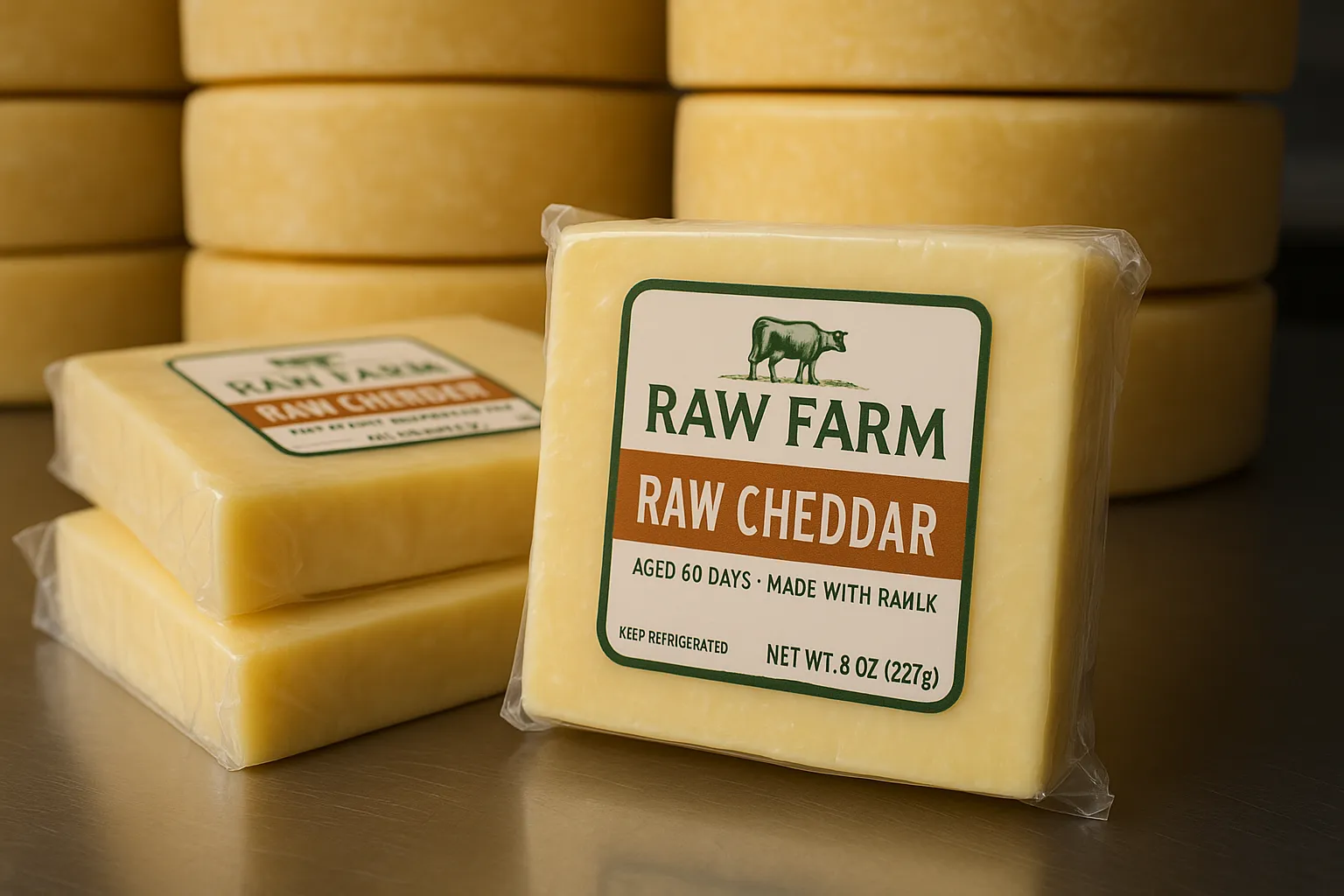
The ongoing tension between Raw Farm CEO Mark McAfee and federal health officials has reached a critical juncture as McAfee refuses to comply with requests to recall raw cheddar cheese products potentially linked to a multi-state E. coli outbreak. This outbreak has been particularly concerning, as it has resulted in hospitalisations among children. According to a statement released on March 16, 2026, by the Food and Drug Administration (FDA) and the Centres for Disease Control and Prevention (CDC), the dairy operation based in California has been identified as a ‘likely source’ of at least seven E. coli infections identified in California, Florida, and Texas.
The outbreak has prompted an ongoing investigation, with federal health authorities asserting that whole-genome sequencing has established a genetic link among the reported cases, implying a shared contamination source. The FDA indicated that, “Epidemiologic evidence indicates that RAW FARM-brand raw cheddar cheese products are the likely source,” while emphasising that the investigation remains active as they work to ascertain whether additional products might be affected.
In response to the agencies’ warnings, McAfee has taken a firm stance, labelling their actions as ‘science-free’ and expressing concern that the regulators are inciting unwarranted alarm among consumers. He argues that the absence of positive E. coli findings from the FDA’s own tests means that any connection to his products is conjectural. This present situation marks another chapter in Raw Farm’s contentious relationship with regulatory bodies, as the company, previously known as Organic Pastures, has frequently encountered legal issues and product recalls relating to pathogens such as E. coli, Salmonella, and Campylobacter.
McAfee, who is also the head of the Raw Milk Institute, continues to advocate for the safety of unpasteurised dairy products via his own set of safety standards. He claims that the protocols established by Raw Farm exceed those mandated by federal regulations, despite a previous incident in 2024 that resulted in a temporary suspension of the dairy’s products due to bird flu contamination within the regional milk supply. In correspondence with The Guardian, McAfee stated, “I 100% disagree with the FDA’s false ‘possible link’ and their extreme allegations,” maintaining that their cheese is safe and criticising regulatory officials for dismissing scientific evidence.
The health risks associated with raw milk consumption have been a contentious point for health officials, particularly regarding its effects on children. The CDC has continually highlighted the potential dangers posed by pathogens that are typically eradicated through pasteurisation. Despite this, there has been a notable increase in the consumption of raw milk in recent years, fuelled by advocates like McAfee, who argue for the natural and pure qualities of unpasteurised dairy.
However, public health experts have expressed concerns over the risks tied to raw milk, referencing past outbreaks of severe illness, including haemolytic uraemic syndrome linked to consumption of such products. Raw Farm’s predecessor, Organic Pastures, was involved in several lawsuits and incidents involving foodborne illnesses. In 2023, Raw Farm compensated families whose children had suffered serious health issues after consuming its products. McAfee insists that any raised concerns have been addressed and continues to uphold the safety of the milk produced, supported by the certifications from his institute. It is notable that in December 2024, Reuters reported on a suspension of Raw Farm’s milk products following a contamination event involving bird flu.
The timing of this controversy occurs amid a turbulent phase for the Department of Health and Human Services (HHS) under Secretary Robert F. Kennedy Jr. Kennedy has been vocal in his advocacy for raw milk and has called for a significant revision of US nutrition policies towards more ‘real food’. This stance, however, has led to scrutiny over his agency’s management of the ongoing outbreak.
Food safety attorney Bill Marler has publicly questioned the lack of action from the HHS and FDA regarding their authority to enforce a mandatory recall under the Food Safety Modernisation Act (FSMA). Marler remarked, “FDA’s longstanding policy is based on the historical fact that most public health officials everywhere think raw milk consumption is a bad idea,” underscoring the ideological divide surrounding this issue.
The political landscape remains fragmented as the current administration attempts to reconcile its ‘Make America Healthy Again’ (MAHA) initiative with the increasing demand for stringent measures to safeguard public health. Presently, federal officials can merely ‘strongly urge’ consumers to dispose of the implicated cheddar cheese while the legal and ideological discourse surrounding the future of the raw milk industry evolves, both in courtrooms and public forums.
As this situation develops, the ramifications for both public health and the raw dairy sector will continue to unfold, drawing increased attention to the ongoing debate about food safety, consumer choice, and regulatory authority in the evolving landscape of American nutrition policy.
Our Thoughts
The incident involving Raw Farm highlights significant breaches of health and safety protocols. Key lessons include the critical importance of adhering to food safety regulations concerning the sale and distribution of raw milk and dairy products, particularly under UK legislation such as the Food Safety Act 1990 and the Food Hygiene (England) Regulations 2013.
To prevent similar incidents, enhanced risk assessments and pathogen testing standards should be enforced, particularly in unpasteurized dairy production. Implementing a more robust recall process, in line with the Food Safety (General Food Law) Regulations 2004, would empower authorities to act promptly in response to contamination threats.
Additionally, clear communication and cooperation with regulatory bodies must be prioritized to avoid misunderstandings that can lead to public health risks. Encouraging transparency in food safety practices and compliance with established hygiene standards would serve to rebuild trust and safeguard consumer health. The UK has a duty to protect vulnerable populations, especially children, from the dangers associated with consuming raw dairy, which should be strictly monitored and regulated.