














Story Highlight
– British Army officer Captain Philip Muldowney died at 25.
– Incident occurred during live firing exercise in Otterburn.
– Investigation involves Northumbria Police and Health and Safety Executive.
– Coroner opened inquest; next hearing scheduled for May 2027.
– Muldowney remembered as enthusiastic and inspiring leader.
Full Story
An inquiry has been launched following the tragic death of a British Army officer during a live firing training exercise. Captain Philip Gilbert Muldowney, aged 25, lost his life on January 25, with an inquest into his death being opened yesterday at Northumberland Coroner’s Court.
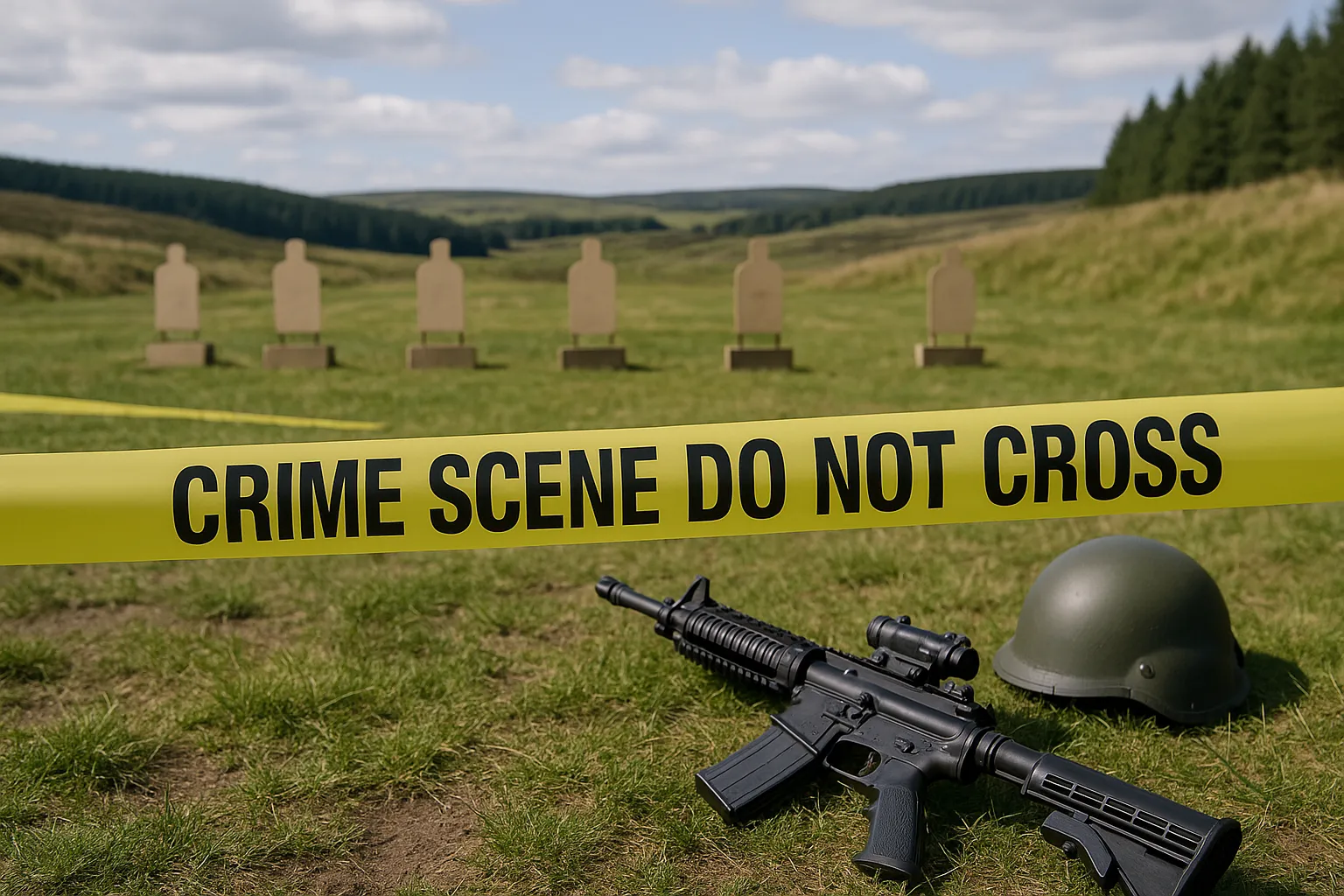
During the initial hearing, senior coroner Andrew Hetherington provided an overview of the inquiry, which involves multiple agencies, including Northumbria Police, the Health and Safety Executive, and the Defence Safety Authority. Captain Muldowney, affectionately known as Gilbert, was conducting a training exercise at the Otterburn Training Area, located near Newcastle-upon-Tyne, when the tragic incident occurred.
Mr. Hetherington detailed the circumstances surrounding Captain Muldowney’s death, indicating that he sustained a gunshot wound believed to have entered his back and exited through his left shoulder. Immediate medical assistance was rendered by military medics on-site, followed by ambulance personnel, but unfortunately, he was pronounced dead at the scene.
In light of the ongoing investigation, Mr. Hetherington formally opened the inquest and scheduled a further hearing for May 19, 2027, although he noted this date might change as the inquiry progresses. Captain Muldowney’s parents participated in the hearing via video link, reflecting the profound impact of the loss.
Originating from County Roscommon in Ireland, Captain Muldowney served as a fire support commander within the 129 (Dragon) Battery of the 4th Regiment Royal Artillery. Following news of his passing, the Ministry of Defence hailed him as an “immensely enthusiastic officer” whose dynamic spirit inspired those around him.
Captain Muldowney commenced his military career on January 5, 2020, being commissioned into the Royal Artillery just under a year later on December 11, after completing his training at the Royal Military Academy Sandhurst. His commanding officer, Lieutenant Colonel Henry Waller of the Royal Artillery, expressed deep sorrow over the loss, describing Gilbert as a vibrant officer whose zest for life was contagious and motivating.
In a poignant tribute, Lieutenant Colonel Waller remarked, “Known to all simply as Gilbert, he was an immensely enthusiastic officer who embraced life with a vigour that inspired everyone around him.” He spoke of Gilbert’s commitment to not only his professional duties but also his involvement in a diverse array of activities, underscoring his remarkable versatility.
Waller added, “Professionally, Gilbert was an outstanding officer who consistently put his soldiers first. He led from the front in all that he did, a quality that defined his character.” The qualities of leadership, bravery, and a strong sense of duty that Gilbert displayed earned him significant respect and admiration among his peers.
Colleagues and friends are expected to cherish Gilbert’s easy-going personality, unmatched energy, and infectious humour. Observers noted his remarkable ability to uplift those around him and positively influence challenging situations, thereby leaving a lasting impact on everyone he encountered.
In reflecting on his memory, Waller stated, “Gilbert was an unforgettable character and a rising star within the Army and the Regiment. His loss is deeply felt by his comrades and friends, and our thoughts and prayers are with his family at this most difficult time.”
The Otterburn Training Area is one of the largest military training sites in the UK, often utilised for various exercises by the Army. The investigation into Captain Muldowney’s death seeks to ascertain the full circumstances surrounding the incident, ensuring that necessary safety measures and protocols are reviewed to prevent any similar occurrences in the future.
As the inquiry continues, the Army community mourns the loss of a promising individual whose life was tragically cut short. The focus remains on supporting his family and ensuring that they receive the care and consideration needed during this profoundly difficult time.
The commanding officer’s remarks, revealing an officer passionate about his role and dedicated to those he served, provide a glimpse into the character that Gilbert was, and why his absence is deeply felt across the military. The investigation’s findings are eagerly anticipated by both the family and the wider Army community, with hopes that clarity can emerge regarding the circumstances leading to this heartbreaking event.
Our Thoughts
To avoid the tragic incident involving Captain Philip Gilbert Muldowney during a live firing exercise, several key safety measures could have been implemented. First, adhering to the Health and Safety at Work Act 1974, stringent risk assessments must be conducted before live firing exercises to identify and mitigate potential hazards.
Additionally, effective training and supervision must align with the UK’s Operating Procedures for live firing, ensuring all personnel clearly understand safety protocols, including rules on the handling and use of firearms. The application of Control of Substances Hazardous to Health Regulations may also apply if any hazardous environment factors were involved.
Regular audits and drills could ensure compliance with safety regulations, and robust communication protocols must be established to alert personnel in the event of an emergency. Furthermore, it’s crucial to investigate whether Personal Protective Equipment (PPE) requirements were met, as violations could contribute to such incidents.
This tragic event highlights the necessity of continuous training, stringent adherence to safety regulations, and the implementation of comprehensive safety management systems to prevent similar occurrences in the future.