














Story Highlight
– Blair Campbell died after accidental electrocution in 2022.
– Ivy-covered warnings left him unaware of dangers.
– Widow Tina Liu-Campbell suing SP Manweb PLC for liability.
– Company denied responsibility despite safety breach allegations.
– Inquest revealed prior reports on ivy removal ignored.
Full Story
A tragic accident in Mobberley, Cheshire, has led to a widow pursuing legal action against a major electricity provider following the death of her husband. Blair Campbell, a 35-year-old father of two, suffered a fatal accident while conducting maintenance work on an ivy-covered bush at a residential property in October 2022.
Mr. Campbell was reportedly working near a pole-mounted substation when he inadvertently severed electrical wires. Following the incident, he was transported by air ambulance to a nearby hospital but unfortunately succumbed to his injuries shortly after arrival.
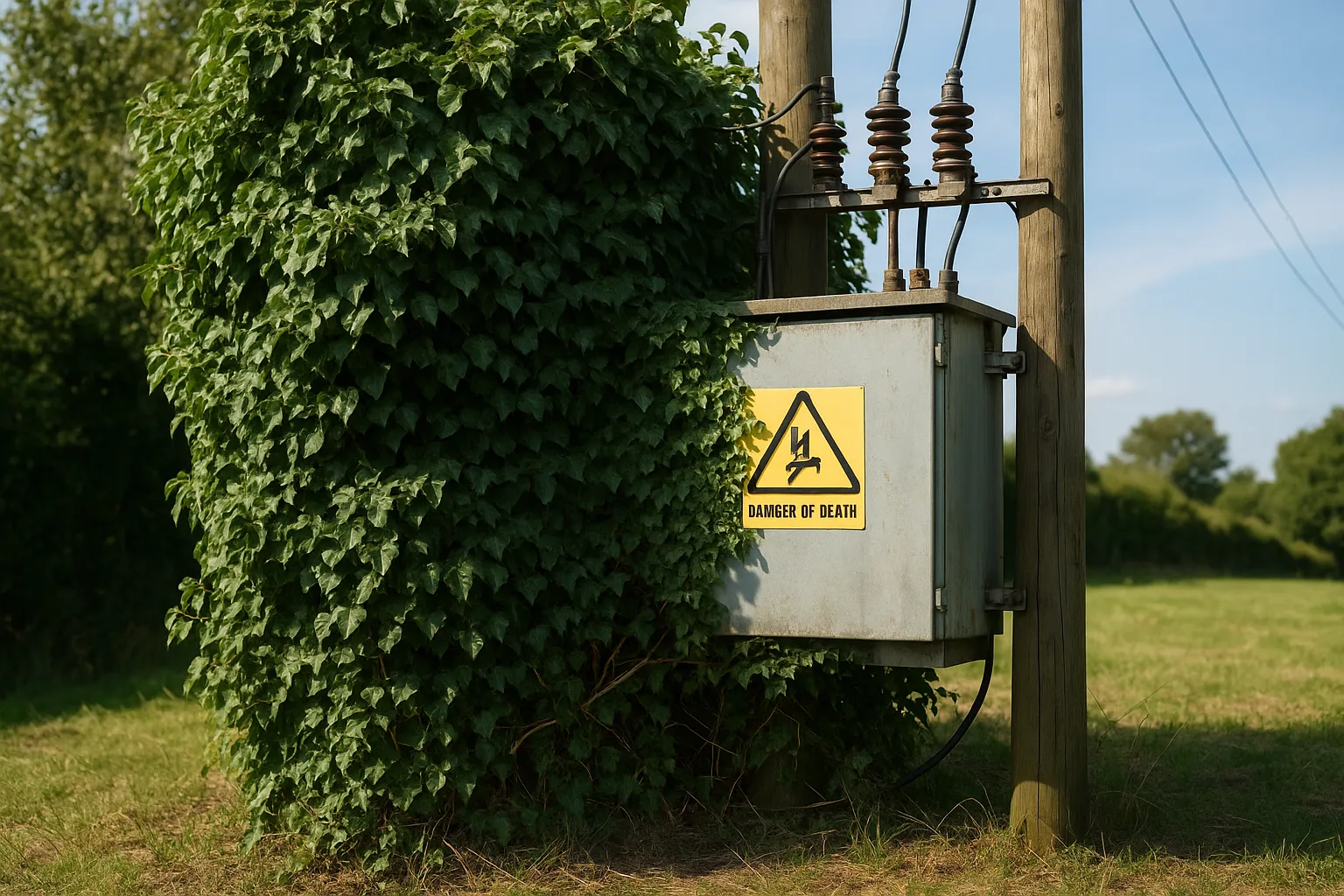
An inquest into the accident revealed that the thick ivy obscured critical warning signs surrounding the substation. This concealment contributed to Mr. Campbell’s unawareness of the potential hazards posed by the high-voltage equipment.
His widow, Tina Liu-Campbell, aged 42, is now taking legal action against SP Manweb PLC, the electricity distribution company responsible for the substation’s maintenance. Tina described her husband as her “soul mate” and expressed profound grief over the loss of the man she shared her life with.
The couple originally met in New Zealand, and Blair later relocated to the UK to be with Tina. She reflected on their relationship, stating, “From that point on, we were inseparable. Our future together has been taken from me and the children, and it’s still incredibly difficult to come to terms with how suddenly everything changed.”
Tina, who resides in Knutsford, conveyed the emotional toll the incident has taken on her family. “The hurt and pain we feel over Blair’s death is still as raw now as it was on the day he was taken from us,” she lamented. The tragic circumstances have left an indelible mark on her life. She recounted the moment she learned of his death, a shock no widow should have to endure. “No one expects their husband to go to work and never come home,” she stated, adding that she still wakes up hoping it is merely a bad dream.
The family’s legal representatives, Irwin Mitchell, have initiated proceedings in the High Court, asserting that significant health and safety violations occurred at the site where the accident took place. The lawyers argue that SP Manweb PLC failed to protect the public from the dangers associated with their high-voltage electrical equipment. Additionally, evidence presented during the inquest indicated that several requests to manage the ivy growth had been submitted prior to Mr. Campbell’s fatal accident, yet no action was taken by the company.
Legal documents highlight that the firm did not maintain the substation and surrounding area to a safe standard and permitted the extensive growth of ivy to block essential safety warnings. Furthermore, the claim indicates that SP Manweb PLC neglected to ensure proper insulation and protection of the high-voltage wires.
Steve Hill, a workplace accident lawyer from Irwin Mitchell representing Tina, conveyed deep concern regarding the circumstances of Mr. Campbell’s death. “Tina and her family remain devastated by Blair’s death and the circumstances surrounding it. The inquest heard worrying evidence regarding health and safety at the site which we believe played a key role in Blair’s unnecessary death,” he stated. He lamented SP Manweb’s denial of liability despite the critical issues presented during the inquest, expressing a desire for lessons learned to promote safer practices in the future.
Hill emphasized the need for SP Manweb PLC to engage constructively in the legal process to help the Campbell family start to rebuild their lives after this tragedy. He urged the company to collaborate effectively to expedite the case. “Despite the seriousness of this case, it’s regrettable that SP Manweb PLC has failed to resolve the claim amicably,” he noted.
In response to the ongoing legal proceedings, a spokesperson for SP Energy Networks, the parent company of SP Manweb PLC, expressed condolences to Mr. Campbell’s family. “We extend our condolences to Mr Campbell’s family and friends,” said the spokesperson, who added that due to the current legal proceedings, further comments on the matter cannot be provided at this time.
As the Campbell family seeks justice, their heartfelt desire is for improved safety measures to be implemented, thereby preventing similar incidents in the future. Tina Liu-Campbell’s relentless pursuit of clarity and accountability highlights the broader need for public safety in the face of utility management. Though the legal journey ahead remains fraught with complexities, the family hopes that their efforts will lead to meaningful changes, ensuring that no other families face the heartbreak experienced by the Campbells.
Our Thoughts
The tragic incident involving Blair Campbell highlights several critical failures in health and safety practices related to UK legislation. Key lessons include the importance of maintaining clear access to safety signage and the necessity of properly managing vegetation around essential infrastructure.
SP Manweb PLC may have breached the Health and Safety at Work Act 1974, which mandates that employers ensure the health and safety of employees and the public by minimizing risks. The presence of extensive ivy obscuring warning signs directly contravenes regulations that require clear communication of potential hazards (Management of Health and Safety at Work Regulations 1999).
Moreover, the failure to act on prior reports regarding the ivy’s removal indicates a lack of proactive hazard management, which likely contributed to the incident. The company’s alleged failure to ensure the high-voltage equipment was safely insulated or protected may also contravene Electricity at Work Regulations 1989.
To prevent similar incidents, regular risk assessments and vegetation management practices should be enforced diligently, ensuring that all safety signage remains visible and accessible. Furthermore, an effective communication system should be established for reporting and addressing safety concerns promptly.