















Story Highlight
– Trump administration cuts civilian cruise ship health inspectors.
– Norovirus outbreaks surge amid reduced CDC oversight capacity.
– Only one trained epidemiologist remains for outbreak investigations.
– Fewer inspections expected, raising concerns about passenger safety.
– Criticism grows over timing of staffing cuts during outbreaks.
Full Story
The U.S. government’s recent decision to eliminate all full-time civilian inspectors from the Centers for Disease Control and Prevention’s (CDC) Vessel Sanitation Programme (VSP) has sparked significant concern amidst a notable rise in norovirus cases linked to cruise ships. This change, initiated under Health and Human Services Secretary Robert F Kennedy Jr., results in a severely diminished inspection team, now reduced to a mere 12 officers responsible for safeguarding the health of millions of vacationers embarking on these floating holiday destinations.
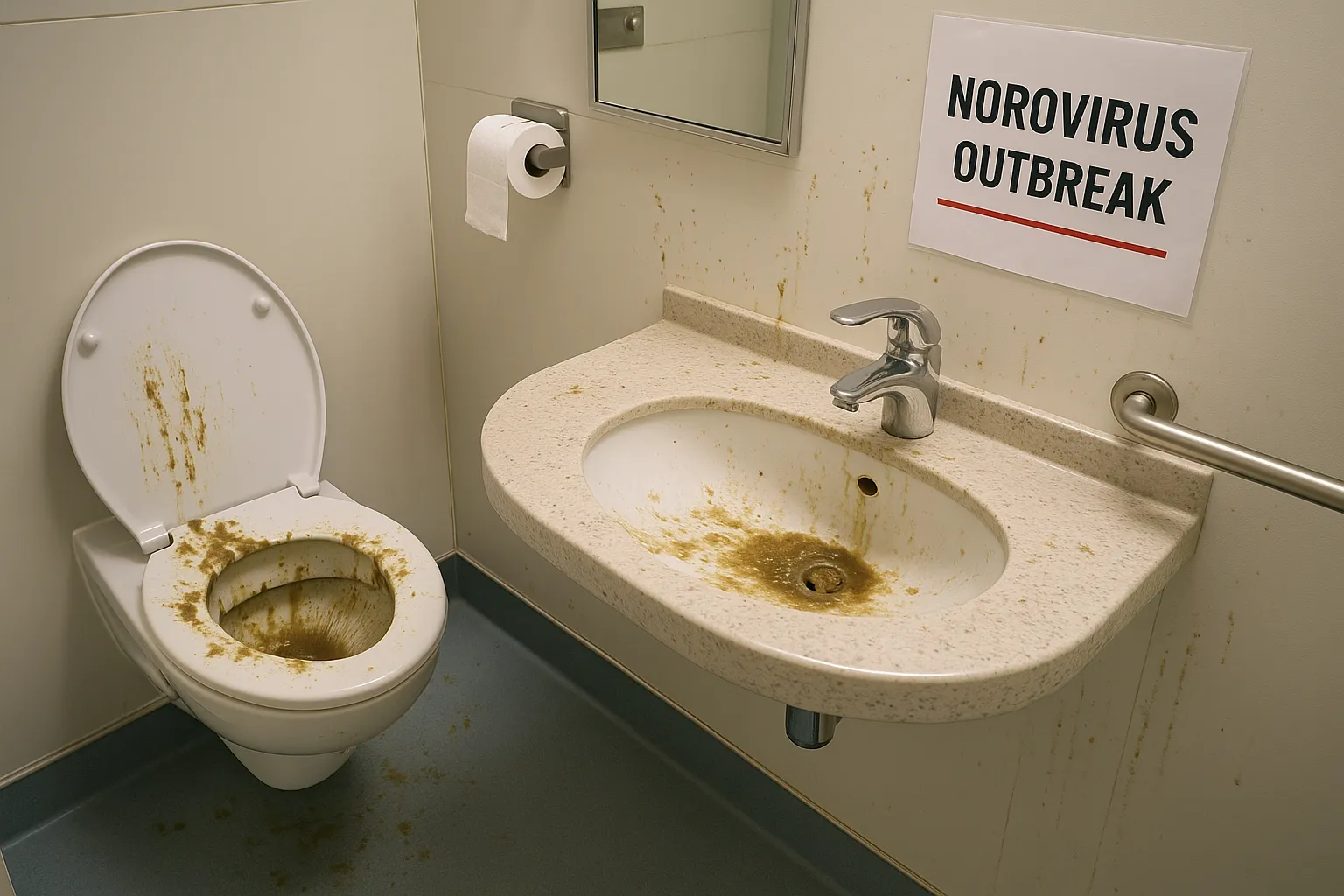
The timing of these cuts is particularly alarming given the current spike in norovirus infections. The CDC’s VSP has long played an essential role in ensuring that cruise ships adhere to stringent health standards, capable of preventing outbreaks among passengers who share confined spaces, dining areas, and recreational facilities. Recent reports indicate that there has been a sharp increase in gastrointestinal illnesses onboard vessels, with at least a dozen outbreaks occurring this year alone, affecting scores of passengers and raising alarms among health officials.
This restructuring of the CDC, which encompasses around 2,400 positions across various public health agencies, has left many questioning the rationale behind targeting the VSP team. Insiders within the organisation noted that this programme is largely funded through user fees from the cruise industry, rather than taxpayer money, making the decision to cut experienced inspectors particularly perplexing. Such a drastic reduction in oversight capabilities at a time of increasing health concerns risks compromising the primary defence mechanisms in place to handle gastrointestinal outbreaks on ships, leaving both passengers and operators vulnerable.
Historically, the CDC conducts nearly 200 inspections of cruise vessels annually. These evaluations are crucial for monitoring aspects such as food safety, potable water systems, and medical facilities onboard. The inspectors play a vital role in addressing hygiene issues and mitigating the potential spread of infections. However, with the recent cuts, officials predict that the volume of inspections may decline and the speed of outbreak investigations could significantly slow down. While the remaining team is expected to carry out essential duties, doubts linger about their capacity to effectively maintain the same level of public health oversight.
A particularly alarming consequence of this downsizing is the drastic reduction in the team’s infectious disease expertise. Reports indicate that the epidemiologist previously overseeing outbreak responses has been let go, leaving only one individual with limited experience in that role. This poses serious concerns regarding the team’s ability to respond swiftly to outbreaks and manage crises effectively. Erik Svendsen, who previously helmed the CDC’s Division of Environmental Health Science and Practice, has voiced apprehension about the systemic issues stemming from the elimination of civilian staff, emphasising that administrative and operational support is crucial in managing public health emergencies.
The impacts of recent staffing changes come against the backdrop of a notable surge in gastrointestinal outbreaks linked to norovirus, a highly contagious virus that can spread rapidly in tightly populated areas such as cruise ships. With illnesses affecting numerous passengers—sometimes in the tens or hundreds—it has become increasingly critical for authorities to maintain robust inspection and response systems. Last year alone, the CDC reported 18 outbreaks linked to norovirus on cruises, underlining the ongoing challenges faced by public health officials in ensuring passenger safety.
In light of this situation, the Department of Health and Human Services has assured the public that essential functions of the VSP will continue, despite concerns from CDC insiders about the implications of these cuts, especially during peak travel seasons when cruise bookings swell. Spokespersons from HHS have reiterated that the program remains committed to monitoring gastrointestinal illnesses and ensuring that necessary inspections and responses occur.
However, the essence of the concern lies not only in the number of inspections but also in the response time to outbreaks. Quick identification and containment measures are crucial once cases arise. The absence of experienced personnel may lead to delays in pinpointing sources of infection, coordinating responses with cruise operators, and ensuring ongoing compliance with sanitation practices.
As global cruise travel gradually resumes, passengers may find themselves relying on inspection frameworks that are under unprecedented pressure, raising questions about their efficacy and dependability at a time when health safeguards are needed most. With increasing reports of illness on cruise ships and the CDC’s inspection programme undergoing such a significant transformation, the future of cruising amid rising health concerns appears uncertain.
With the awareness of new strains of norovirus and the focus on public health safety, the cruise industry, along with health officials, must find ways to adapt to these changes to better protect passengers and restore confidence in cruise travel. The challenge remains clear—how to ensure that public health standards are not only maintained but also enhanced to cope with the evolving nature of infectious diseases in a rapidly changing world.
Our Thoughts
The reduction of the CDC Vessel Sanitation Programme raises significant health and safety concerns regarding the management of gastrointestinal outbreaks, particularly norovirus on cruise ships. To prevent such a situation, the UK could focus on several key areas:
1. **Maintain Adequate Staffing**: Ensuring a full and well-trained inspection team could prevent lapses in hygiene oversight. Regular training and sufficient staffing levels are vital for responding effectively to outbreaks.
2. **Enhance Regulatory Compliance**: Strict adherence to the Health and Safety at Work Act 1974 and related regulations should be prioritized. This includes ensuring that adequate measures are in place for health protection in high-risk environments like cruise ships.
3. **Public Health Communication**: Developing clear communication channels and protocols for outbreak management could enhance the response speed and effectiveness of health investigations, crucial for managing infectious diseases.
4. **Increased Inspections**: Regular and rigorous inspections should be mandated, particularly during peak travel seasons, to ensure that cruise ships comply with health and safety standards.
5. **Emergency Preparedness**: Establishing robust contingency plans for health crises can help mitigate the impacts of reduced oversight on public health.
Preventative strategies focusing on staffing, compliance, communication, and preparedness can significantly reduce the risk of similar incidents.