












Story Highlight
– UK weedkiller glyphosate may face bans from EU deal.
– Glyphosate banned in Europe since 2023 over health concerns.
– Widely used in crops like wheat and oats.
– Environmental advocates demand complete removal from food.
– Glyphosate’s license renewal discussion set for December.
Full Story
The potential for a significant ban on the herbicide glyphosate in the UK has emerged as the government engages in discussions with the European Union regarding a new trade agreement. This development stems from heightened health concerns and regulatory changes initiated by the EU, which has itself restricted the use of this widely used chemical since 2023.
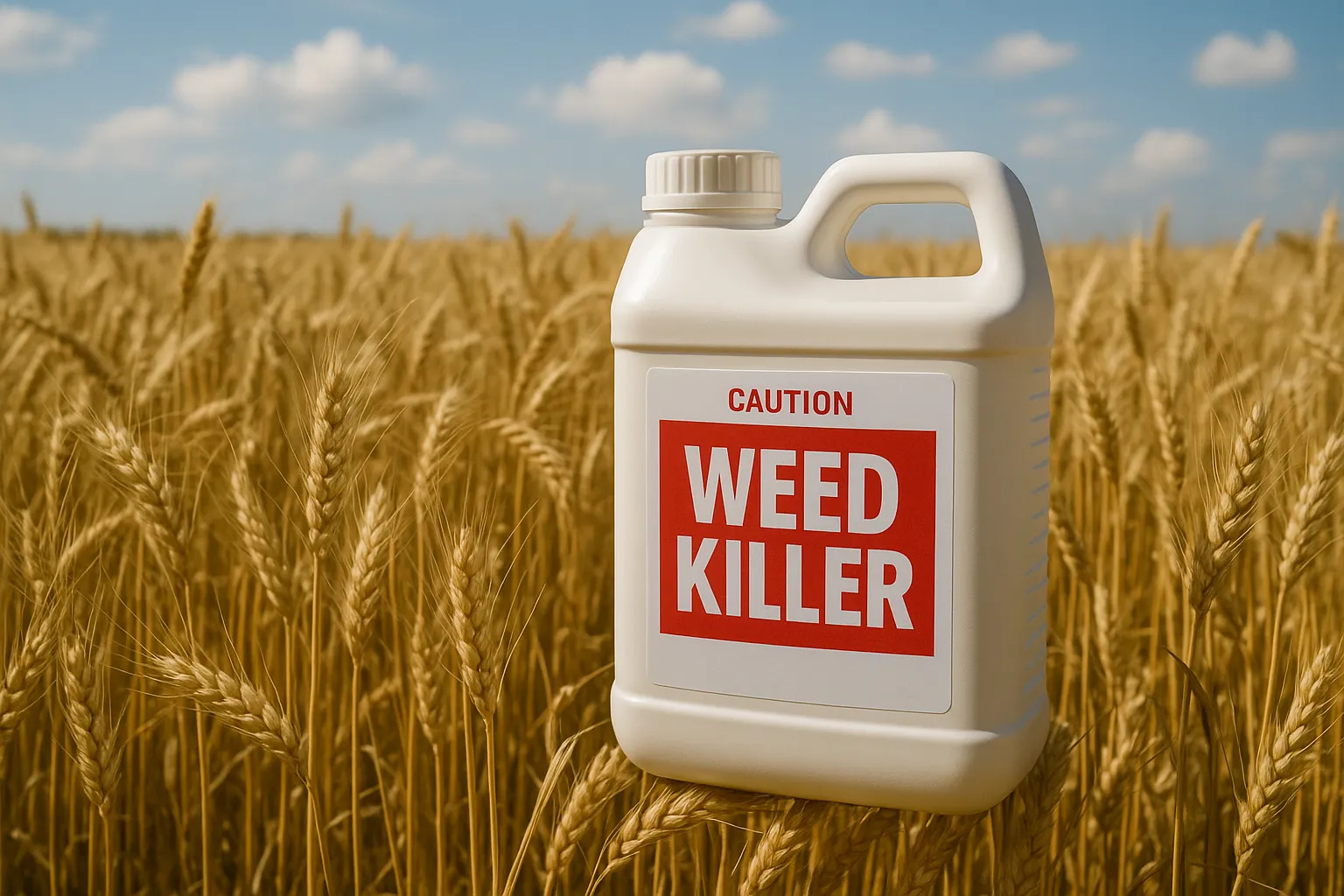
Glyphosate, a prominent herbicide, is commonly employed in large-scale agricultural operations, notably in the cultivation of wheat, oats, and various cereals. It is also prevalent in consumer weedkiller products like Roundup. Despite its effectiveness in battling weeds, glyphosate has faced intense scrutiny due to its alleged links to cancer and various health risks, as identified by the World Health Organization.
In response to the alarming evidence surrounding glyphosate’s safety, the EU took the decisive step of banning its use within its member states in 2023. Following this precedent, the UK’s Department for the Environment, Food and Rural Affairs (Defra) is currently in negotiations with EU representatives over a new sanitary and phytosanitary (SPS) agreement. This agreement would encompass a broad spectrum of matters, including plant and animal safety, food and feed standards, and regulations surrounding pesticides and biocides.
With approximately 50 councils across the UK already declaring their commitment to maintaining pesticide-free zones, the implications of a glyphosate ban could be significant. Violations could attract considerable fines, reaching as much as £5,000 for those found using the prohibited herbicide. Environmental advocacy groups have urged the government to leverage these discussions to eliminate glyphosate from use altogether.
Cathy Cliff, the campaign coordinator for The Soil Association, pressed for a complete withdrawal of glyphosate, citing growing expert warnings about the absence of any safe dosage of the chemical. Cliff stated, “Experts are increasingly warning that there is no ‘safe dose’ of glyphosate, meaning the chemical should be removed from our food. It’s time to cut the chemicals from our food and fields.”
Recent findings have indicated that glyphosate residues were detected in over 28% of UK bread samples tested in 2024, raising further alarm among health-conscious consumers and regulatory bodies. The findings underscore the pervasive presence of the chemical and the urgency of addressing its use in agriculture.
In light of these developments, a Defra spokesperson affirmed, “Like all pesticides, glyphosate is subject to strict regulation.” The agency’s ongoing discussions with the EU come just months ahead of a critical deadline in December, when the current licensing for glyphosate is set to expire. As the government contemplates its position, the pressure from environmental advocates and public health concerns continues to grow.
The conversation surrounding glyphosate is emblematic of a larger debate about agricultural practices, public health, and environmental sustainability. As countries worldwide grapple with the implications of chemical use in farming, the UK faces pivotal choices that could redefine its agricultural landscape.
Experts suggest that moving away from glyphosate and similar chemicals could not only enhance food safety but also promote more sustainable farming practices that align with ecological conservation. The push for a transition to organic and non-chemical farming methods has been gaining momentum, not just among activists but also within segments of the agricultural community itself.
The potential ban on glyphosate highlights the ongoing tension between agricultural productivity and public health. Some farmers express concerns about the economic impact of losing access to glyphosate, arguing that it plays a crucial role in effective weed management. However, proponents of the ban counter that the long-term health costs associated with glyphosate far outweigh the temporary benefits of its use.
As the UK navigates the complexities of its post-Brexit agricultural policy, the outcomes of the talks with the EU regarding the SPS agreement could set significant precedents for future regulatory frameworks. The government is tasked with balancing the needs of the agricultural sector with the imperative to protect public health and environmental integrity.
In summary, the future of glyphosate in the UK remains uncertain as discussions with the EU unfold. A potential ban may serve as a critical turning point in agricultural practices, reflecting a broader shift towards more sustainable and health-conscious farming methods. As the deadline for license renewal approaches, all eyes will be on Defra’s actions and the decisions laid out in this pivotal agreement. The conversation will undoubtedly continue to evolve, influencing both policy and public opinion in the coming months.
Our Thoughts
To prevent the potential health risks associated with glyphosate, the UK could have taken more proactive steps in regulating its use before the EU ban in 2023. Key safety lessons include the importance of reviewing scientific evidence regarding chemical safety and implementing preventive measures. The Health and Safety at Work Act 1974 emphasizes the responsibility of employers to ensure the health and safety of employees and the public, which includes assessing risks associated with harmful substances.
The proposed ban suggests a breach of the Control of Pesticides Regulations 1986 if glyphosate remains used in the UK despite its known risks. Local councils should enforce stricter controls on pesticide use and promote alternative, safer practices in agriculture. Additionally, educating farmers and the public about the dangers of glyphosate could help reduce dependency on such chemicals. To avoid similar incidents, continual monitoring of pesticide regulations in line with health studies is crucial. Integrating sustainable agricultural practices can further mitigate reliance on harmful substances, aligning with the UK’s environmental and public health goals.