















Story Highlight
– Safety checks on Covid vaccines were insufficiently conducted.
– Carcinogenic risks and pregnancy impacts were not investigated.
– Post-marketing reports indicated 1,233 suspected deaths post-approval.
– Vaccine manufactured differed from trial materials, raising concerns.
– Long-term independent research into vaccine effects is needed.
Full Story
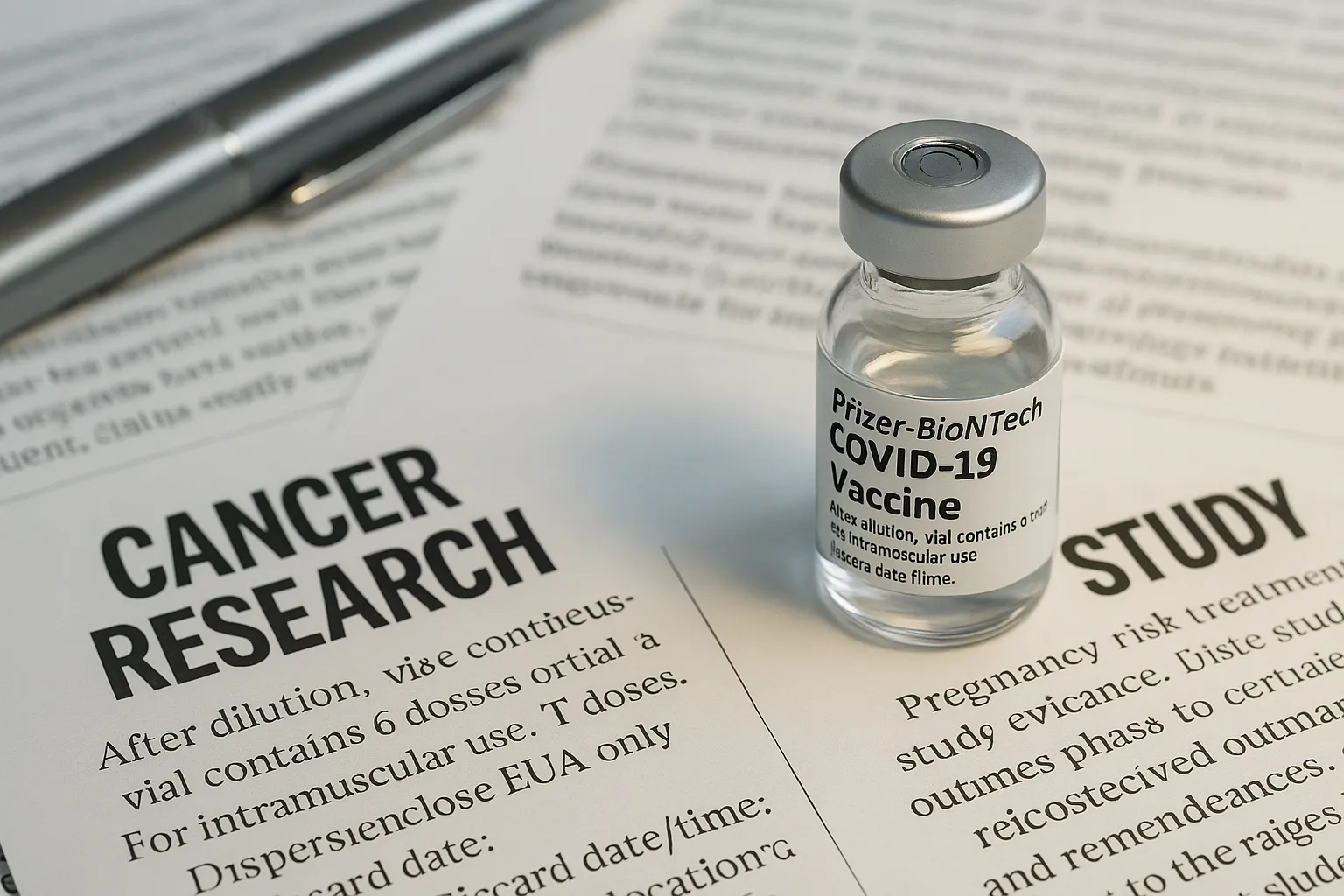
Vital safety assessments were notably absent for Covid vaccines prior to their widespread distribution, according to testimonies presented to Germany’s pandemic inquiry, the Corona Enquete Commission. Dr Helmut Sterz, the former chief toxicologist for Pfizer Europe, provided crucial insights into the approval processes for the mRNA vaccine, Comirnaty, during hearings this month.
Dr Sterz, who held his position until 2008, explained that due to “time constraints,” the mRNA vaccines were not thoroughly evaluated for potential carcinogenic effects, a situation he described as “regrettable.” In addition to this alarming revelation, he pointed out that appropriate studies on the vaccines’ implications for pregnancy and reproductive health were either poorly conducted or entirely overlooked.
In detail, Dr Sterz examined documentation regarding the Pfizer-BioNTech vaccine’s trials and its subsequent side effects, and when asked if the vaccines had undergone comprehensive testing before they were given the green light, he unequivocally responded: “No, the (cancer-causing) carcinogenic risk was not investigated due to time constraints. Incidentally, I find it very concerning and also regrettable that no alternative investigations were carried out.”
He elaborated that the reproductive toxicity study involving rats was carried out inadequately, with crucial concerns such as early abortions seemingly dismissed. Dr Sterz elucidated: “A reproductive toxicity study in rats for (the mRNA vaccine) Comirnaty was conducted inadequately, and an important side effect, early abortions was not taken seriously. So no reliable estimates of the vaccine’s effect on pregnancy or subsequent development were possible.” Notably, he indicated that since the commencement of the vaccination programme in the European Union, there has been a steady decline in the birth rate.
Dr Sterz pointed out that the accelerated approval process, typically designed for emergencies, entailed bypassing essential studies that are customary for new medications. “The approval was carried out according to … a fast-track procedure. This meant that essential toxicity studies were sacrificed to speed, without acceptable justifications. I know of no case with a comparable indication in which all these studies were omitted.”
He further articulated that troubling reports emerged from post-marketing surveillance, noting that Pfizer’s own report indicated over 1,200 suspected deaths occurred within a mere two months of the vaccine’s rollout. “At the latest then, (the mRNA Covid jab) Comirnaty should have been taken off the market,” he stated. Dr Sterz lamented that official pharmacovigilance systems often fail to account for the full spectrum of side effects as not all incidents are documented. “There is a high dark figure with these spontaneous reports due to underreporting. The real number is therefore much higher.”
The former toxicologist, who has extensively studied vaccine side effects, expressed scepticism regarding the available data, asserting that it does not convincingly indicate that the advantages of the vaccine surpass its risks. “In my view, not at all. (the mRNA Covid jab) Comirnaty was not even investigated in clinical development for the prevention of severe illness or death. The Pfizer documents therefore do not allow any recognition of a positive benefit-risk ratio at all for such side effects.”
Moreover, Dr Sterz raised concerns about the disparity between the vaccine administered to the public and the formulations used in clinical trials. “For the clinical testing before approval, a highly pure substance was used. It was too expensive for mass production. The population received a vaccine that was produced with the help of the DNA of bacterium Escherichia coli. The result is significant contamination of the jab with bacterial DNA, and the consequence could be a significantly increased cancer risk,” he asserted.
In a subsequent interview with GB News, Dr Sterz commented on the urgency created during the pandemic, which he believes resulted in regulators accepting risks that would generally be considered unacceptable. Drawing on his extensive experience within the industry, he voiced his concern over the expedited procedures that bypassed conventional toxicological assessments. “Because the virus was treated as if it was extremely deadly, it was decided that it was not necessary to do more toxicology at the time, and in my opinion this was completely wrong,” he remarked.
Highlighting significant oversight, Dr Sterz noted the absence of in-depth studies on long-term safety, particularly concerning carcinogenicity—a process that typically spans two to three years. He underscored the inadequacy of the studies conducted, suggesting that protocol deviations were made in light of the pandemic’s urgent nature. “However, this could have been done differently and other tests could have been carried out to look at possible cancer-forming effects,” he asserted.
Questions were also raised regarding the thoroughness of “reproductive safety” evaluations, with Dr Sterz expressing doubt over the adequacy of research conducted on second mammal species as per regulatory guidelines. He reiterated that the limited studies undertaken with rats were insufficient to draw reliable conclusions.
Furthermore, he indicated that post-marketing surveillance only captures an estimated one to ten percent of adverse side effects, suggesting that documented issues may only reflect a fraction of the true occurrences. “The registered side effects are often only the tip of the iceberg,” he stated, determining that actual reports could be significantly underrepresented.
Dr Sterz further warned about the implications of the manufacturing process, highlighting significant variances in the production methodologies employed for larger-scale vaccine rollout as opposed to those utilised during initial trials. He stated, “For the clinical testing, a highly pure substance was used, but for mass production another method was needed. That can lead to impurities such as bacterial DNA. I have no proof that this causes cancer, but it is a theoretical risk which should have been investigated more carefully.”
In conclusion, Dr Sterz is advocating for comprehensive long-term independent studies into the impacts of Covid vaccinations as well as examining the broader pandemic response. He stressed, “We need proper independent safety studies to understand what really happened. Without full transparency, people will not trust the conclusions.” He warned that individuals suffering from vaccine-related injuries might face challenges in seeking compensation unless substantiating evidence from animal safety studies is provided.
Health authorities in the UK, Europe, and the United States have consistently maintained that Covid vaccines have adhered to safety standards and have contributed significantly to public health by reducing mortality associated with the virus. The German inquiry is anticipated to forge ahead with further investigations, hearing from various officials and experts in the coming months. Pfizer has been approached for commentary.
Our Thoughts
Key safety lessons from the situation outlined in the article highlight the importance of adhering to thorough safety assessments before the rollout of any medical product, especially under expedited approval conditions. The UK’s Medicines and Healthcare products Regulatory Agency (MHRA) should emphasize compliance with stringent requirements under the Medicines Act 1968 and the Clinical Trials Regulations 2004, ensuring that all toxicity studies, including those related to carcinogenicity and reproductive safety, are conducted comprehensively before granting market authorization.
To prevent similar incidents in the future, a robust pharmacovigilance system must be reinforced to ensure accurate reporting of side effects. Moreover, closer scrutiny upon reports of adverse effects post-marketing should be mandated, in line with the UK’s Health and Safety at Work Act 1974, which stresses the duty of care for public health safety.
Insufficient production processes that compromise vaccine purity must be addressed through enforced quality control measures under the Good Manufacturing Practice (GMP) guidelines. Overall, prioritizing long-term independent research and transparency in safety evaluations will bolster public trust and future health initiatives.