






Story Highlight
– Labubu toys gained popularity among celebrities and collectors.
– Counterfeit versions pose serious health risks to children.
– OPSS issued a recall for a dangerous Labubu counterfeit.
– 259,000 counterfeit toys were confiscated in Britain by 2025.
– Parents urged to avoid counterfeit toys for child safety.
Full Story
A recent surge in the popularity of Labubu soft toys has been accompanied by a worrying spike in counterfeit versions flooding the market. Originally designed by Hong Kong artist Kasing Lung, these whimsical plush creatures have captivated both children and adults alike, despite their origins as a private collection. Their appeal is so significant that notable celebrities like Rihanna, Dua Lipa, and Olivia Attwood have been spotted embracing the trend, making Labubu toys a sought-after collectable in the designer toy market.
Manufactured and distributed by POP MART, Labubu plushies have successfully gone viral, establishing themselves as a must-have item in 2025. However, this popularity has also led to the emergence of counterfeit products, posing significant risks to consumers, particularly young children.
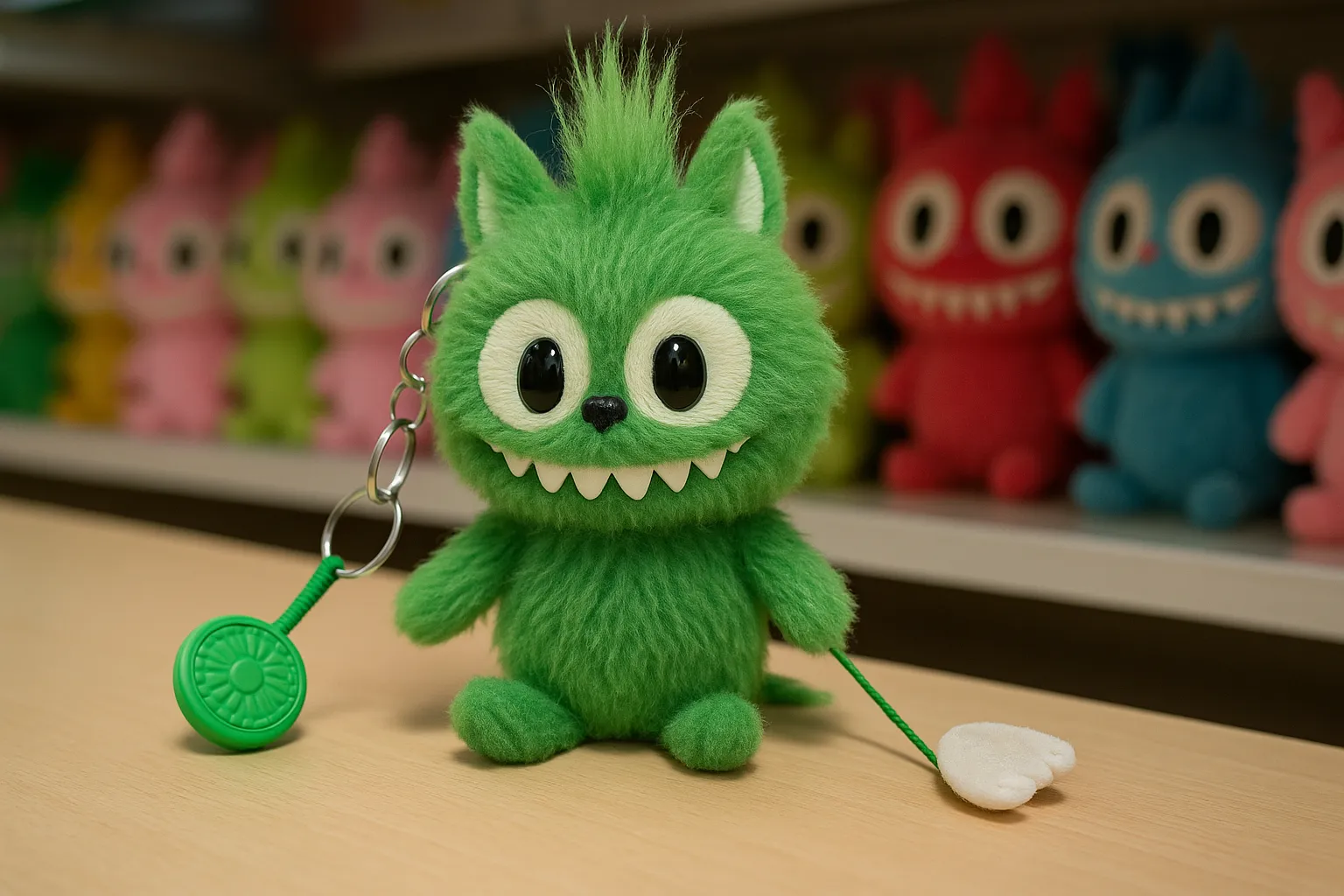
This week, the Office for Product Safety and Standards (OPSS) issued a product recall for a specific counterfeit Labubu toy, described as a green plush figure with a spinning tail, measuring approximately 17 centimetres in height. The recall has been prompted by serious safety concerns associated with the product. According to the OPSS, the toy presents a choking hazard, as both the keyring attachment and the right foot can detach easily, creating small parts that could be ingested by children.
In a statement, the OPSS highlighted the potential dangers, especially for children under three years of age, who frequently explore their surroundings by placing objects in their mouths. “The product does not comply with the Toys (Safety) Regulations 2011,” the OPSS confirmed, resulting in the immediate removal of these counterfeit toys from circulation by local distributors.
Statistics from the Intellectual Property Office reveal that by October 2025, authorities had confiscated around 259,000 counterfeit toys arriving at UK borders, with Labubu dolls constituting the vast majority of these fakes. The prevalence of such counterfeit items is alarming, as many consumers are drawn to them due to their significantly lower prices and easier availability compared to authentic Labubu products. Yet, data show that 75% of these confiscated toys failed safety checks, with many containing prohibited chemicals and presenting choking risks.
Helen Barnham, deputy director of enforcement at the Intellectual Property Office, issued a warning regarding the hidden dangers behind counterfeit toys. “With counterfeit toys, what you see is rarely what you get,” Barnham stated. “Behind the packaging can be hidden choking hazards, toxic chemicals, and faulty parts that put children in real danger.” She further explained that these counterfeits have managed to avoid established safety checks, necessitating a joint effort with partners to protect children by preventing these dangerous toys from entering homes across the UK.
To aid consumers in navigating these treacherous waters, the Intellectual Property Office has launched a campaign entitled ‘Fake Toys, Real Harm.’ This initiative serves to raise awareness among parents and prospective buyers about the concealed harms associated with counterfeit goods. It is a call to action for parents to avoid putting their children at risk by highlighting the importance of not allowing children to inadvertently test these unsafe products.
In advising shoppers on how to identify genuine toys, the Intellectual Property Office has outlined several important guidelines. Parents are encouraged to stick to trusted retailers or official brand websites, while exercising caution when considering third-party sellers on online marketplaces.
“The importance of checking reviews cannot be overstated,” the guidance notes, urging consumers to look beyond just five-star ratings. Negative reviews can often reveal significant information about product safety and reliability. Additionally, parents should be wary of prices that appear ‘too good to be true,’ as unusually low prices often signal counterfeit items.
In this digital age, the convenience of online shopping has made it easier for counterfeiters to reach consumers, creating a challenging environment for parents aiming to select safe toys for their children. The ability to identify legitimate retailers and scrutinise product reviews becomes paramount in making informed purchasing decisions.
As the demand for unique and collectible toys continues to rise, the potential for counterfeit products to infiltrate the market remains a pressing concern. The allure of designer toys can often lead consumers to overlook important safety considerations, particularly when faced with enticing low price points. As counterfeit toys pose genuine threats to child safety, it is crucial that buyers remain vigilant and well-informed.
In summary, while Labubu toys continue to enchant and inspire, the proliferation of counterfeit alternatives should serve as a reminder of the importance of prioritising safety and quality. Parents and guardians are urged to take necessary precautions when shopping, ensuring that they provide their children with toys that meet stringent safety regulations. The consequences of neglecting these warnings could be dire, and it is a responsibility shared by all consumers to remain alert and informed.
Our Thoughts
To prevent incidents involving counterfeit toys like the Labubu, several actions could have been taken:
1. **Stricter Regulation Enforcement**: Enhanced monitoring and enforcement of the Toys (Safety) Regulations 2011 would strengthen compliance. Authorities should ensure rigorous checks at all points of sale to prevent unsafe products from entering the market.
2. **Public Awareness Campaigns**: Continuous public education on distinguishing between genuine and counterfeit products would help consumers make safer choices. The ongoing ‘Fake Toys, Real Harm’ campaign is a step forward but should be expanded to reach wider audiences.
3. **Collaboration with Marketplaces**: Working closely with online marketplaces to improve their vetting processes for third-party sellers can reduce the availability of counterfeit toys which often bypass safety checks.
4. **Encouraging Reporting**: Establishing a robust reporting system for dangerous products would empower consumers to alert authorities about counterfeit items, leading to quicker action and recalls.
Overall, fostering a cooperative framework between regulators, retailers, and consumers is critical to enhancing toy safety and compliance with health and safety regulations in the UK.