















Story Highlight
– 75% changed eating habits for health reasons last year.
– Common changes: less processed food and sugar intake.
– 55% made dietary changes for sustainability reasons.
– Increased engagement with food hygiene ratings observed.
– 52% now require food businesses to have higher ratings.
Full Story
A recent survey has revealed significant shifts in dietary habits among adults in the UK, highlighting a growing emphasis on health and sustainability. Conducted between May and August 2025, the research involved responses from 5,898 individuals aged 16 and older, representing 4,215 households across England, Wales, and Northern Ireland. The findings indicate a proactive approach to health and environmental concerns in food consumption.
Results show that a substantial 75% of participants acknowledged modifying their eating behaviours in the past year for health-related motives. Among those who implemented changes, nearly half (49%) reported reducing their intake of processed foods. Similarly, 48% indicated that they had decreased their consumption of foods and drinks high in sugar, while 46% stated they were now incorporating more fruits and vegetables into their diets.
In addition to these changes, the survey highlighted that 36% of respondents were eating fewer foods rich in unhealthy fats or saturated fats. Moreover, 27% had taken steps to lower their salt consumption, demonstrating a growing awareness of dietary impacts on health.
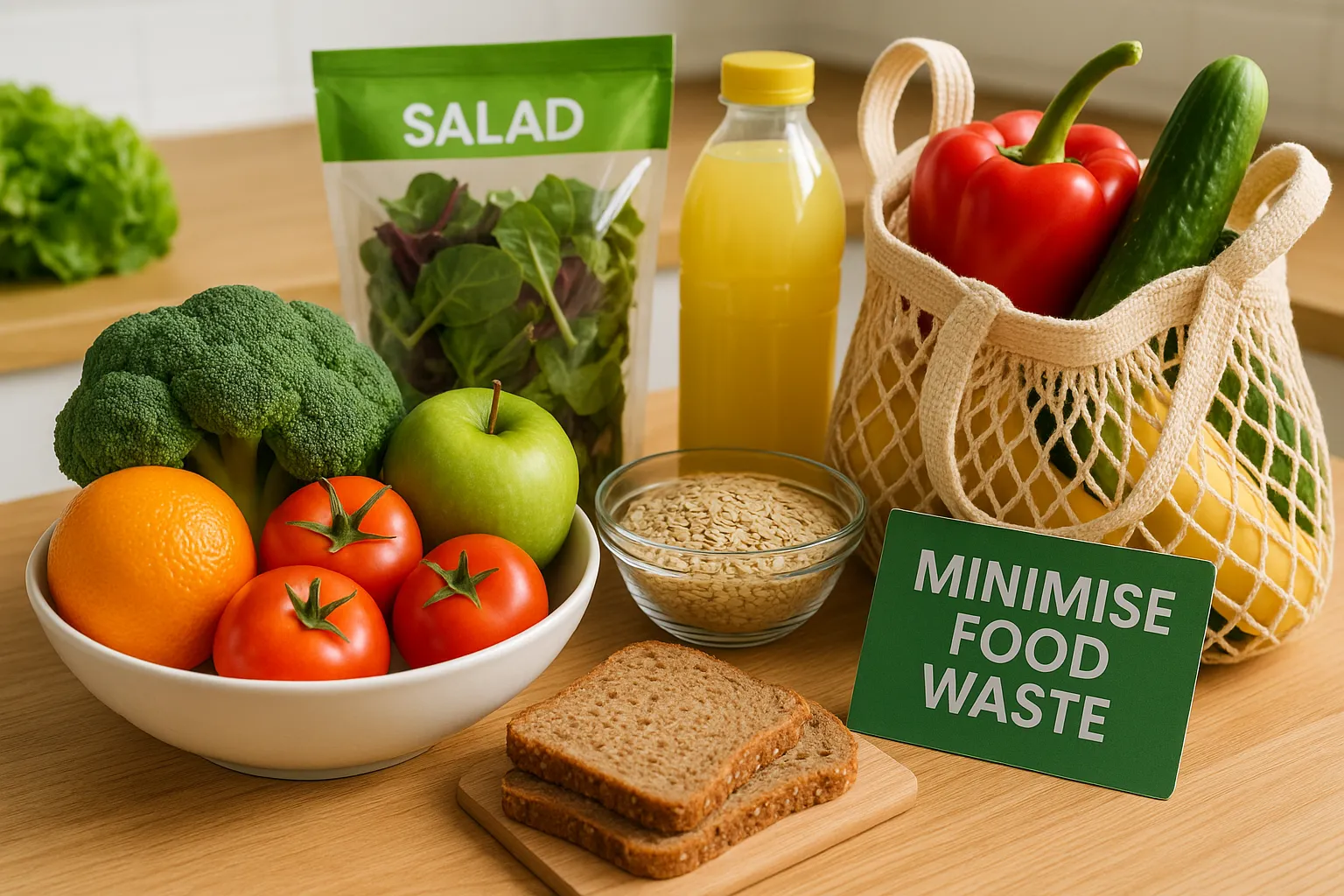
In parallel, the data reveals a notable trend towards sustainability in food choices. Over half of respondents (55%) reported taking at least one action aimed at promoting environmental sustainability within the same timeframe. Among these participants, 36% had begun efforts to reduce food waste, which is crucial in tackling broader environmental issues. Additionally, 25% of consumers sought out foods with minimal or no packaging, while 21% opted for locally sourced or seasonal produce, reflecting a shift towards conscientious consumption practices.
The survey also shed light on increasing public scrutiny regarding food hygiene standards. The percentage of individuals checking the hygiene ratings of food businesses rose significantly, with 55% of respondents stating they had checked ratings, up from the previous range of 41-44% in the last four years. This suggests a growing public awareness and concern over food safety practices.
Moreover, expectations around food hygiene appear to have escalated, with 52% of respondents now demanding a hygiene rating of four or above. This is a notable rise from the 41-44% who expressed similar standards in prior surveys, indicating that consumers are becoming increasingly discerning about where they dine and shop.
As these attitudes evolve, experts suggest that consumer behaviour is playing an essential role in reshaping the food industry. Dr. Maria Gough, a leading nutritionist, emphasised the importance of these trends, stating, “The adoption of healthier eating habits is not simply a matter of personal preference but reflects a broader societal shift towards improved health outcomes and environmental responsibility.”
This shift towards sustainability and health may also be influenced by growing media awareness and educational initiatives aimed at raising public consciousness about food choices. As more consumers become aware of the implications of their eating habits not only on personal health but on the environment, it is likely that these trends will continue to reinforce each other.
The report from which these findings are drawn is part of the ‘Food and You 2: Wave 11’ series, which provides valuable insights into the eating habits of the UK population and is crucial for informing policymakers and public health officials. The unique perspectives captured in this latest survey underscore the importance of ongoing monitoring in understanding how public attitudes toward food are shifting in response to health and environmental concerns.
With the landscape of food consumption continuously evolving, the need for accessible information on food safety and dietary choices has never been more crucial. The findings underscore the responsibility shared between consumers and food providers to maintain high standards in both health and hygiene.
As the research suggests, as public engagement with food safety continues to rise, it will be interesting to observe how businesses adapt to meet the heightened expectations of their customers. The shift towards healthier and more sustainable food practices not only demonstrates an informed populace but also highlights the potential for collective action in addressing pressing public health challenges and the climate crisis.
In conclusion, the 2025 wave of the survey paints a picture of a UK population increasingly invested in their health and the environment. This growing awareness presents opportunities for stakeholders across the food industry to respond accordingly, ensuring that the changes in consumer behaviour are not just a fleeting trend but a lasting commitment towards better health and sustainability. The upcoming reports and studies will likely continue to track these shifts, offering insights into future trends and their implications for health and safety in food consumption.
Our Thoughts
The article does not present any specific incident or accident that highlights a breach of health and safety regulations or safety lessons to be learned. It focuses on survey results regarding changes in eating habits and public engagement with food hygiene ratings. Therefore, there are no relevant safety insights or recommendations for prevention of incidents based on the provided content.