















Story Highlight
– Listeria causes serious illness and recent UK food recalls.
– Thrives in cold environments, contaminating ready-to-eat foods.
– High mortality rate for vulnerable populations, especially pregnant women.
– Recent recalls included British Bresaola due to contamination.
– Proper food handling and cleaning can prevent infection.
Full Story
Recent reports in the UK have spotlighted Listeria, a bacterium infamous for causing severe illness, particularly prompting food recalls. The propensity of Listeria to thrive in colder environments, notably within processed food items, underscores its potential danger. Health officials are issuing urgent advisories concerning its presence in commonplace consumer products, revealing its serious health implications.
Listeria falls under a genus of bacteria, with the species Listeria monocytogenes being chiefly responsible for the infection known as listeriosis. This bacterium is prevalent in numerous environments, including soil, water, and the intestines of various animals. During stages of food processing, packaging, and storage, it can infiltrate numerous food items, with a heightened incidence in those that are pre-prepared or subject to refrigeration. The bacteria’s resilience and ubiquitous nature contribute significantly to the risks associated with listeriosis.
### Understanding Listeria’s Threat
A critical aspect of Listeria’s danger is its unique ability to survive and proliferate at refrigeration temperatures, a characteristic that distinguishes it from many other harmful bacteria. It can thrive in cool, moist conditions and multiply within a refrigerator, even at temperatures as low as 0°C. Consequently, foods that are stored correctly can still become unsafe over time.
The infection caused by Listeria, known as listeriosis, carries a high risk of fatality, particularly for certain demographics. Statistics indicate approximately one in six individuals who contract listeriosis and have weakened immune systems may succumb to the illness. The invasive capabilities of the bacterium allow it to escape the gastrointestinal tract, potentially entering the bloodstream and affecting the central nervous system, which can lead to serious conditions such as meningitis or septicemia.
Pregnant women represent a particularly vulnerable group; although they may experience only mild, flu-like symptoms, the consequences of Listeria infection can be dire. The bacterium is capable of crossing the placenta, which may result in miscarriage, stillbirth, or life-threatening conditions for the newborn. The variability in the incubation period, ranging from one to eight weeks, complicates the process of identifying the contaminated food source, posing a challenge to timely intervention.
### Spotting the Symptoms of Listeriosis
Symptoms of listeriosis manifest in varying degrees of severity. Mild cases could present with flu-like indications such as fever, muscle aches, nausea, and fatigue. However, more severe infections can lead to daunting symptoms, including severe headaches, neck stiffness, confusion, and loss of coordination. In extreme cases, convulsive episodes may occur. The delayed onset of these symptoms makes both diagnosis and appropriate responses more complex.
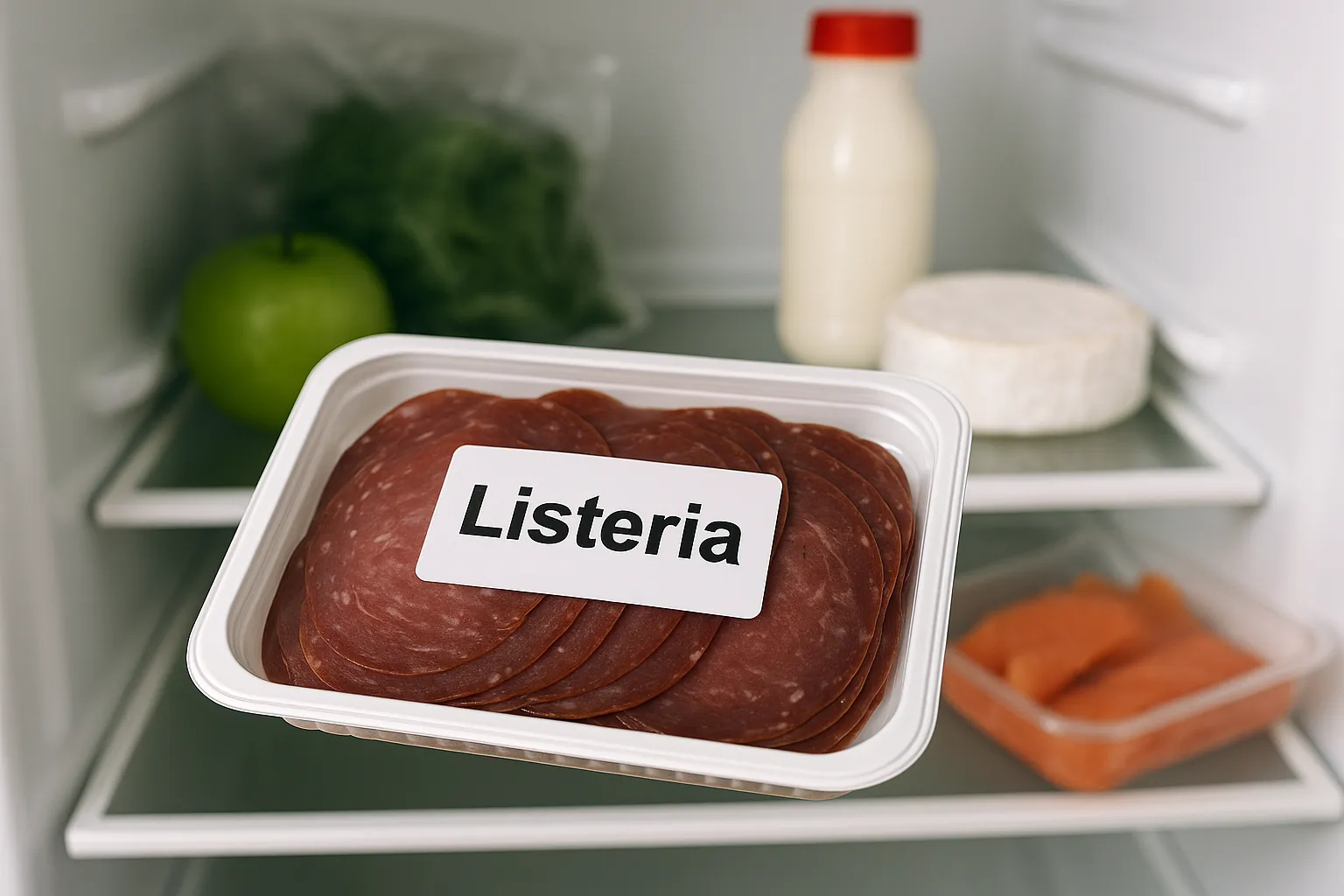
Certain foods are particularly susceptible to Listeria contamination. Processed items, especially refrigerated products like deli meats and hot dogs that are intended for immediate consumption without further cooking, are at a heightened risk. Soft cheeses crafted from unpasteurised milk and refrigerated seafood, such as smoked salmon, are also potential hazards. Furthermore, raw vegetables and salads can become contaminated during agricultural processes or through contact with tainted water or soil.
### Recent Actions by Food Standards Agency
In light of these concerns, the Food Standards Agency (FSA) has recently acted decisively, recalling specific products identified with Listeria monocytogenes. A notable case involved a recall of British Bresaola from The Curing Barn, which was affected due to contamination risks. This recall encompassed 60g packs bearing a use-by date of 10 June 2026. The FSA has urged consumers to refrain from consuming this product and to return it to retailers for prompt refunds.
The symptoms associated with Listeria infections can mirror those of influenza, including elevated body temperature, muscle soreness, chills, nausea, and gastrointestinal discomfort. In severe instances, the consequences may escalate to meningitis or other grave complications. The FSA’s proactive measures are integral to reinforcing the necessity for strict vigilance concerning food safety, particularly with ready-to-eat and refrigerated food items.
### Strategies for Preventing Listeria Infection
Preventing Listeria infection necessitates strict adherence to food handling and storage guidelines. It is essential to reheat hot dogs, deli meats, and leftovers until they are steaming hot. Regular cleaning of refrigerator surfaces, including the prompt disposal of spills, is vital to mitigating contamination risks. Particularly at risk individuals, such as those who are pregnant or have weakened immune systems, are advised to avoid consuming high-risk foods unless they have been adequately cooked.
Washing fruits and vegetables thoroughly before consumption is another crucial preventative measure. By integrating these practices into food preparation routines, alongside making informed product choices, the likelihood of Listeria infection can be substantially diminished. While Listeria presents a formidable public health threat, adherence to elementary food safety principles can play a significant role in minimising associated risks.
Our Thoughts
To prevent incidents related to Listeria monocytogenes, food businesses must adhere to stringent food safety regulations under the Food Safety Act 1990 and the Food Hygiene (England) Regulations 2013. Key measures that could have been implemented include stricter monitoring of temperature controls during food processing and storage, ensuring compliance with the Hazard Analysis and Critical Control Point (HACCP) principles. Regular training of staff on food hygiene practices is crucial to mitigate the risk of contamination.
The recent recalls highlight potential failures in maintaining cleanliness and proper storage protocols. Key lessons include the need for regular cleaning and sanitation of equipment and facilities, especially where ready-to-eat foods are processed. The regulations pertaining to traceability should also be reinforced, enabling quicker identification and response to contamination sources.
For vulnerable populations, clear labeling and consumer guidance are imperative to raise awareness of high-risk foods, thereby helping avoid potential exposure. Overall, a systematic approach to risk management, including routine micro-testing of products, could further safeguard against similar future incidents.