














Story Highlight
– Stannah Lifts addresses manual handling injury risks.
– 17% of workplace injuries linked to handling activities.
– Injuries cost employers an average of £8,500 each.
– Lift solutions enhance safety and reduce employee strain.
– Free safety resources available for businesses’ use.
Full Story
Stannah Lifts, a company based in Andover, is calling on businesses to take proactive measures aimed at minimising the risks associated with manual handling injuries. This appeal comes in light of new statistics released by the Health and Safety Executive (HSE), which reveal substantial concerns regarding workplace safety in the UK.
The HSE’s report indicates that 17% of all workplace injuries stem from activities involving handling, lifting, or carrying tasks. Alarmingly, approximately 511,000 workers in the UK suffer from musculoskeletal disorders, which are often linked to improper manual handling techniques. These figures highlight the significance of addressing manual handling within the workforce.
Graham Mears, the general manager of Stannah Lifts, emphasised the critical importance of employing suitable lifting solutions to tackle one of the most prevalent hazards in workplaces. He stated, “When businesses choose a Stannah lift solution, they are addressing one of the most significant workplace hazards: manual handling injuries.”
Stannah Lifts aims to alleviate the physical demands placed upon employees by offering engineered solutions designed to eliminate the need for manual lifting altogether. The technologies provided by the company help to reduce the physical strain associated with moving heavy items across different levels of a building. As Mr Mears pointed out, “This dramatically reduces the risk of musculoskeletal disorders, which continue to impact an unacceptably high number of workers every year.”
The repercussions of manual handling injuries can be severe, often leading to chronic pain, permanent disability, and diminished productivity. Employers face an average cost of £8,500 for each incident related to these injuries, highlighting the significant financial impact of neglecting proper safety measures.
In light of these concerns, Stannah Lifts is advocating for businesses to explore engineered alternatives that can wholly mitigate manual handling risks. The company has developed a suite of resources, including a manual handling guide, a risk assessment template, and advice on selecting the appropriate type of service or goods lift for specific needs.
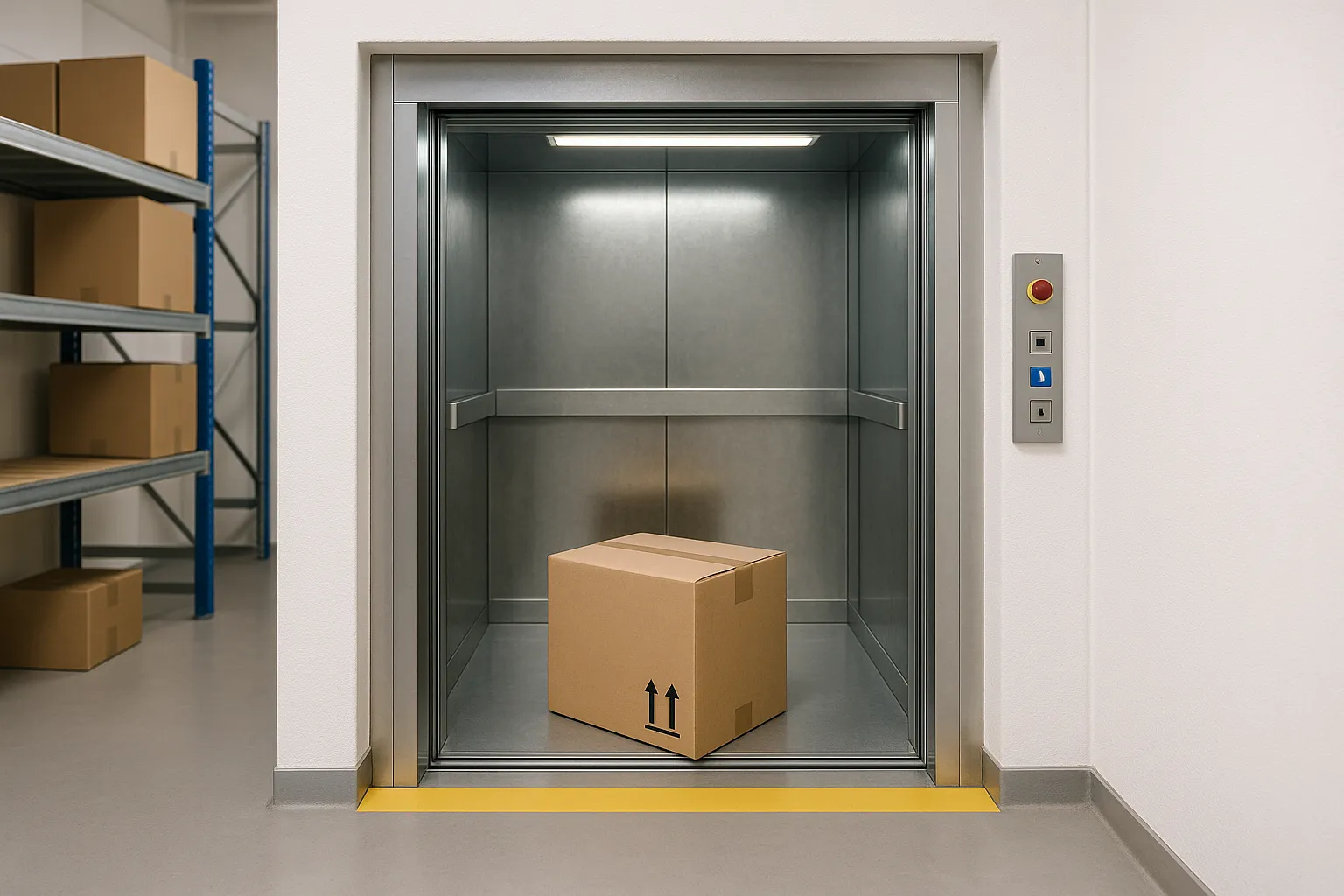
The range of lift solutions provided by Stannah includes dumbwaiters, which can transport loads up to 100kg, mid-range service lifts capable of carrying between 300kg and 500kg, and robust goods lifts designed for much larger weights, with capacities reaching up to 3,000kg. According to the firm, the implementation of such lifts can substantially enhance safety standards in workplaces, subsequently decreasing the necessity for employees to carry cumbersome or heavy items manually.
Mr Mears elaborated on the broader implications of investing in safety solutions. He stated, “The immediate impact on employee safety creates a positive effect that ripples throughout a company, boosting workplace culture, lifting morale and reducing financial exposure to claims.” In an era where staff shortages and safety expectations are intensifying, he noted that businesses prioritising employee wellbeing by investing in safety are positioning themselves as responsible employers.
Furthermore, Stannah Lifts points out the secondary advantages associated with utilising its lift solutions. Various organisations have reported reductions in workers’ compensation claims, decreased absenteeism due to injuries, and improved employee retention rates, all stemming from enhanced workplace safety protocols.
Particularly in the hospitality sector, dumbwaiters represent a hygienic and efficient means of transporting hot food, tableware, and assorted supplies. By reducing the manual handling required of staff, these systems not only improve safety but also streamline services.
To assist organisations in enhancing their safety protocols, Stannah Lifts is offering free access to its safety resources, which include the manual handling guide, risk assessment tools, and guidance on lift selection processes. These resources are aimed at equipping businesses to effectively manage potential hazards and foster safer working environments.
In conclusion, the call to action from Stannah Lifts underscores the urgent need for businesses to acknowledge and address the risks associated with manual handling. By implementing engineered lift solutions, companies can not only protect their workforce but also enhance overall operational efficiency and foster a safer workplace culture. As the statistics show, tackling these issues head-on is not only beneficial for employee health but crucial for business sustainability in the long term.
Our Thoughts
To prevent manual handling injuries, businesses should implement engineered lift solutions, as highlighted by Stannah Lifts. Investing in equipment to eliminate manual handling risks is aligned with the Manual Handling Operations Regulations 1992, which require employers to reduce risks of injury from manual handling as far as reasonably practicable.
Key lessons include the importance of conducting thorough risk assessments and ongoing training in safer lifting techniques. By utilizing Stannah’s resources, such as the risk assessment template and manual handling guide, businesses can better identify hazards and refine their manual handling practices.
Given that around 17% of workplace injuries involve manual handling, failing to address these risks constitutes a breach of the Health and Safety at Work Act 1974, which mandates employers ensure the health, safety, and welfare of all employees.
To prevent similar incidents, companies should foster a culture of safety, encouraging reporting of unsafe practices and investing in appropriate equipment to significantly reduce risks. Enhanced employee engagement and compliance with health and safety legislation can lead to improved outcomes and reduced associated costs.