













Story Highlight
– Food Standards Agency issued multiple “do not eat” warnings.
– Aldi recalled salmon fillets due to incorrect use-by date.
– Tesco’s dessert may contain plastic, prompting a recall.
– M&M’s popcorn recalled for unlisted allergens, posing risks.
– Nine porridge products recalled for possible mouse contamination.
Full Story
The Food Standards Agency (FSA) has recently announced multiple food recalls, urging consumers across the UK to exercise caution regarding specific products that may pose health risks.
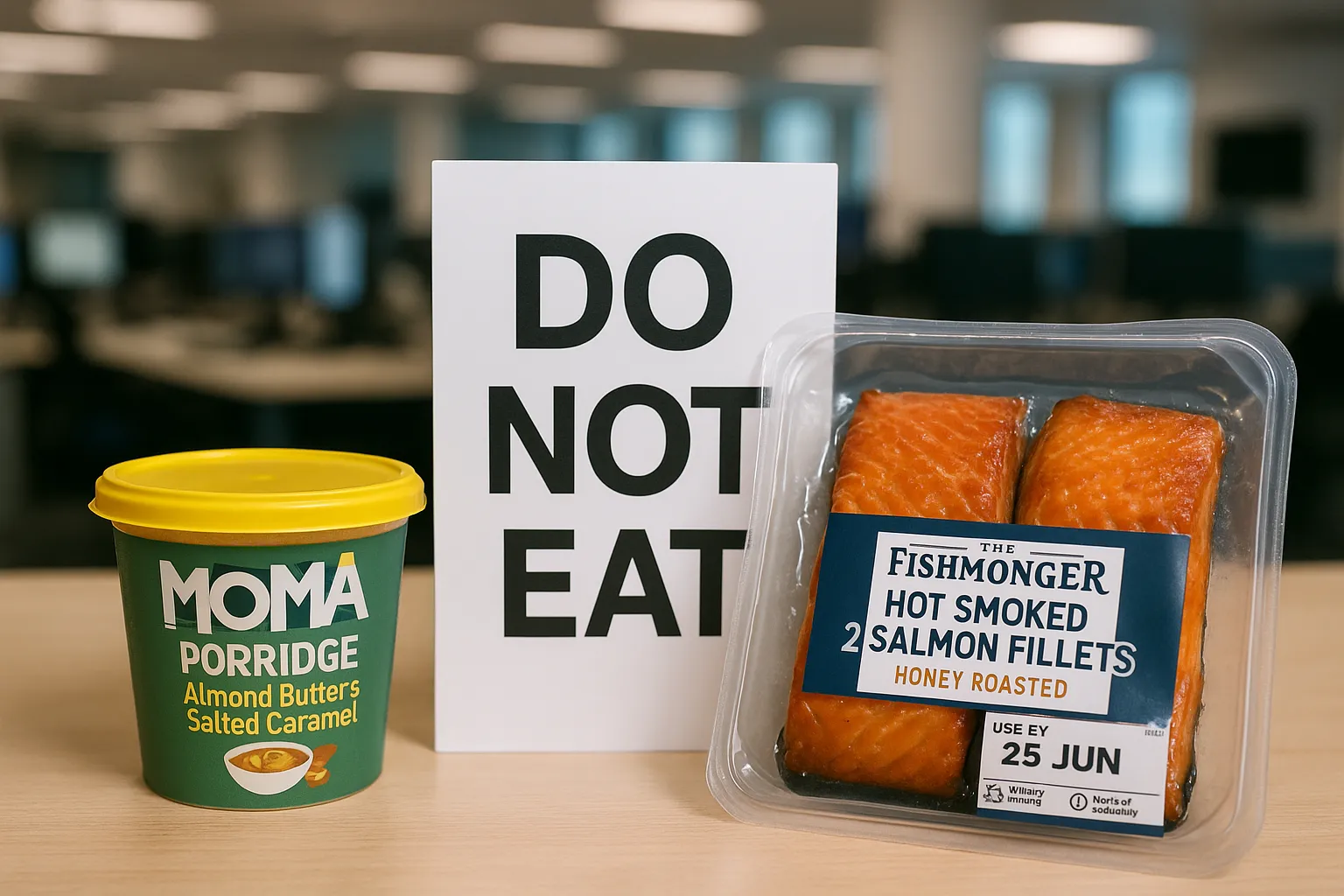
Among the notable recalls are several porridge items produced by MOMA Foods, which were flagged for potential contamination. The company has taken precautionary measures due to possible mouse contamination at their manufacturing site, impacting a total of nine porridge products distributed through major retailers including Tesco, Morrisons, and Sainsbury’s. Consumers are advised not to consume these products, instead returning them to the point of purchase for a full refund.
The porridge varieties affected include flavours such as Almond Butter & Salted Caramel, Apple, Cinnamon & Brown Sugar, and Banana & Peanut Butter Protein. Each of these products, sold in various packaging configurations and sizes, may contain issues not typically associated with food safety standards. The FSA has stressed the importance of adhering to these warnings for consumer safety.
In another significant development, Aldi has issued a “do not eat” warning for its Fishmonger Hot Smoked Salmon Fillets, due to a misprint regarding their use-by date. The affected stock, which bears a use-by date of June 25, 2026, should in fact have been labelled for April 25, 2026. The supermarket’s spokesperson indicated that customers who have purchased this product should return it for a full refund at their nearest Aldi store. The error has raised concerns over food safety, and the company has committed to addressing this shortcoming in their product lines.
Likewise, Tesco has announced the recall of its Tesco Finest Summer Edition Chocolate Affogato Dessert following concerns that some items may contain pieces of plastic. This recall extends to all packages with a use-by date up to and including April 2027. Tesco has advised customers who have purchased this dessert not to eat it and to return it for a full refund, underscoring that no receipt is required for the return.
In a separate case, 3D Trading has targeted a recall of M&M’s Pipoca (Popcorn), which poses a health risk due to undisclosed allergens. This product, intended for the Brazilian market, contains allergens such as peanuts and gluten that were not clearly labelled on the packaging sold in the UK. Customers are advised against consuming this item and to return it for a refund, while a spokesperson for the FSA has stated the company will be in contact with allergy support organisations to notify affected individuals.
Another item under scrutiny is Walkers’ six-pack of Hot Honey crisps. The snack has been recalled due to incorrect labelling that fails to mention milk as an ingredient, which can pose serious health risks to individuals with dairy allergies. This recall specifically impacts products with a best-before date of May 16, 2026, and the FSA has reiterated the importance of adherence to such advisories.
Amidst these recalls, the FSA is implementing notices at point-of-sale locations across all affected retailers. These notifications aim to transparently inform consumers of the reasons for the recalls and provide guidance on how to return the products. Each company involved has expressed regret for the inconveniences caused and emphasised their commitment to maintaining stringent quality control measures.
The incidents reflect the necessity for vigilant monitoring of food safety protocols in the food supply chain, particularly regarding allergen management and undetected contaminants. The FSA has detailed that should a food product require withdrawal, it may be either removed from shelves or recalled from consumers, as is the case here. They have also issued further warnings through their Food Alerts for Action, ensuring local authorities are equipped with comprehensive information regarding specific recalls.
Consumers are encouraged to stay informed about product safety and recalls by regularly checking the FSA’s official announcements and recalling information on their website. The agency’s proactive communication ensures that public health remains safeguarded against potential risks arising from careless packaging or manufacturing processes.
While the risk associated with some of these products may vary, the overarching message from the FSA and the companies involved is the importance of consumer safety above all. Each recall highlights the need for retailers, manufacturers, and consumers alike to be vigilant regarding food safety, enabling prompt corrective actions that protect public health regardless of the source of the issue.
Our Thoughts
To prevent the incidents outlined in the article, several measures should have been implemented in accordance with UK health and safety legislation. Firstly, businesses should ensure robust hazard analysis critical control point (HACCP) systems are in place to mitigate risks from contamination and labeling errors. Regular audits and inspections can help identify potential risks such as the mouse contamination in porridge products.
The Food Safety Act 1990 requires that food businesses operate within safe hygiene practices; neglecting this can lead to serious health risks. The recalls related to incorrect labeling, including use-by dates and allergen information, also suggest a breach of the Food Information Regulations 2014, which mandate accurate labeling to protect consumer safety.
Educational programs for staff on allergen management and proper labeling procedures can significantly reduce risks of mislabeling, such as the Walkers crisps incident. Implementing a thorough product tracing system ensures that any quality control issues can be swiftly addressed, minimizing consumer exposure to unsafe products. In summary, adhering to established regulations and promoting a culture of safety and diligence within food production are key to preventing such incidents in the future.