
















Story Highlight
– Mandatory eye tests proposed for UK drivers over 70.
– 33,000 licenses revoked for failing eyesight standards.
– Older drivers account for most revocations in four years.
– Driving with defective vision can lead to serious penalties.
– Experts recommend eye tests every two years for all.
Full Story
Drivers aged 70 and above in the UK may soon be required to undergo compulsory eye examinations as part of the Government’s initiatives to enhance road safety, outlined in a strategy released earlier this year.
At present, individuals who obtain a driving licence are not mandated to undergo regular assessments concerning their driving capabilities or overall health as they age. However, drivers are obligated to notify the Driver and Vehicle Licensing Agency (DVLA) should they feel unfit to operate a vehicle.
Recent statistics reveal that a significant number of motorists have faced the revocation of their driving permits for not meeting required eyesight standards. Specifically, from 2022 to 2025, a total of 32,944 licences have either been suspended or applications denied across the UK, primarily due to eyesight issues.
Data retrieved via a Freedom of Information request indicates that older drivers, particularly those aged between 70 and 79, constituted the most considerable segment of these revocations. Notably, over 6,500 drivers under the age of 55 also lost their driving privileges for reasons related to their vision, underscoring that vision impairment is not exclusively an issue for older motorists.
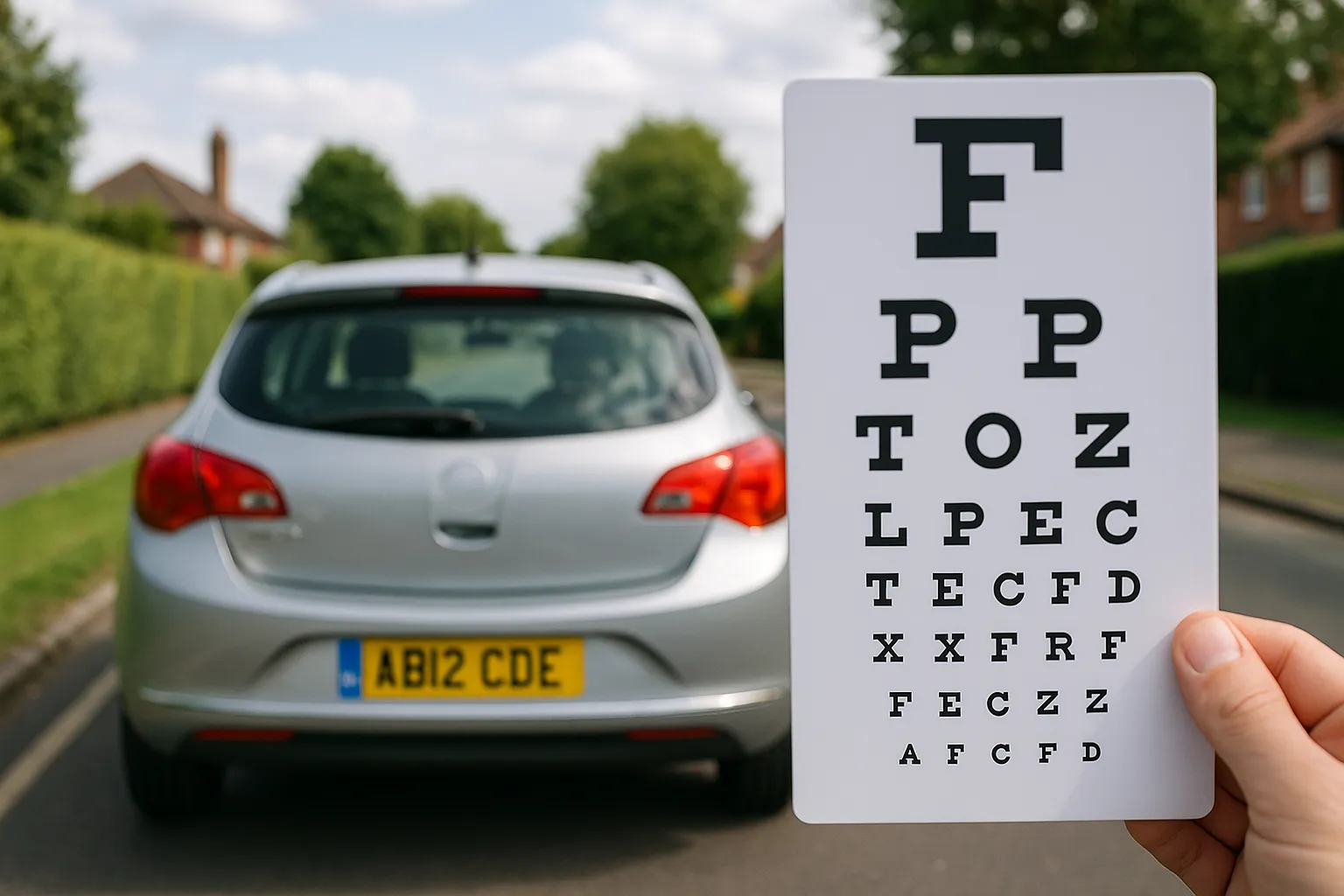
Under regulations set for implementation in 2026, law enforcement officers will possess the authority to conduct instantaneous eyesight assessments at roadside stops. If a driver fails to read a number plate from a distance of 20 metres, their licence can be revoked immediately, with a rapid notification process leading to the DVLA.
Simon England, an expert and founder of ALA Insurance, expressed concerns that many drivers might be unaware of their declining vision, which often deteriorates gradually. “Losing your licence is life-changing,” Mr England noted, “but the safety risk of driving with impaired vision is even more severe.”
He further elaborated on the subtlety of vision loss: “The difficulty is that eyesight often deteriorates so slowly that we don’t notice the change in our day-to-day lives. By the time you realise you’re struggling to read a road sign, you may have already been driving below the legal limit for some time.”
The implications of driving with compromised vision are serious and may lead to significant repercussions. Offenders can incur a fine of up to £1,000, receive three penalty points, and risk immediate revocation of their driving licence by police officers. Additionally, causing an accident while failing to meet legal eyesight requirements may lead to more severe penalties, including charges of Dangerous Driving, which could result in imprisonment.
To assist motorists in recognising when an eye test is necessary, Mr England highlighted several key indicators, or “red flags,” that should prompt immediate action. These include:
– Persistent squinting
– Difficulty seeing at night or experiencing glare
– Frequent headaches
– Trouble reading number plates
– Experiencing double vision
Mr England advised that all drivers, irrespective of their age, should consider scheduling a professional eye examination every two years. “In the eyes of the law, ‘I didn’t realise’ is not a valid defense,” he cautioned. “Protecting your vision is the simplest way to protect your licence and, more importantly, the safety of everyone on the road.”
As discussions surrounding the introduction of mandatory eye tests for older drivers gain traction, public opinion remains varied. Some advocate for these measures, arguing they could enhance road safety and prevent potentially tragic accidents attributed to poor vision. Others express concern over the implications for personal freedom and the logistics of enforcing such a policy.
With the potential for regulatory changes on the horizon, the issue of driving with adequate vision will likely continue to be a focal point of debate among road safety advocates, healthcare professionals, and the general public. As the Government reviews its Road Safety Strategy, ensuring that all drivers maintain the necessary vision standards will be crucial in safeguarding not only their lives but also the safety of others on the roads.
As policymakers consider how best to approach this issue, the importance of public engagement cannot be overstated. Stakeholders are encouraged to share their thoughts on whether they believe mandatory eye tests for drivers over 70 are necessary, as these discussions may influence future decisions regarding road safety regulations.
In conclusion, as the landscape of driving regulations evolves, maintaining clear vision on the road is paramount. Both the older population and younger drivers alike should remain vigilant about their eyesight and its impact on safe driving practices. The potential introduction of mandatory eye tests could represent a significant step toward enhancing road safety across the UK.
Our Thoughts
To prevent the issues highlighted in the article, the UK could implement mandatory periodic vision assessments for all drivers, particularly those over 70. This proactive approach could help ensure that individuals are fit to drive, thereby reducing the risk of accidents caused by poor eyesight.
Key safety lessons include the importance of regular health checks for drivers, as vision deterioration often goes unnoticed. The relevant regulation breached appears to be related to failing to meet the legal eyesight standards, which under the Road Traffic Act 1988 requires drivers to maintain adequate eyesight to ensure safety on the road.
Additionally, the DVLA regulations stipulate that drivers must inform them if they are unfit to drive due to medical reasons, including poor vision. Increasing public awareness about the need for regular eye tests and encouraging drivers to monitor their vision could significantly reduce similar incidents.
Overall, enforcing mandatory eye tests and increasing education on visual health for drivers can enhance road safety and reduce the number of revocations for eyesight issues.