












Story Highlight
– Prince Harry rejected being a working royal after Diana’s death.
– Meghan Markle revealed she faced ten years of online bullying.
– Harry praised Australia’s ban on under-16s using social media.
– Meghan promotes her fashion through an AI-powered website.
– Prince Harry emphasized importance of mental health support.
Full Story
On April 16, 2026, during a high-profile engagement in Melbourne, Prince Harry made poignant remarks regarding his reluctance to embrace his role as a working royal, relating it to the tragic loss of his mother, Princess Diana. This candid revelation formed part of a series of public appearances made by the Duke and Duchess of Sussex as they undertook their tour of Australia, aimed at discussing mental health and the implications of social media.
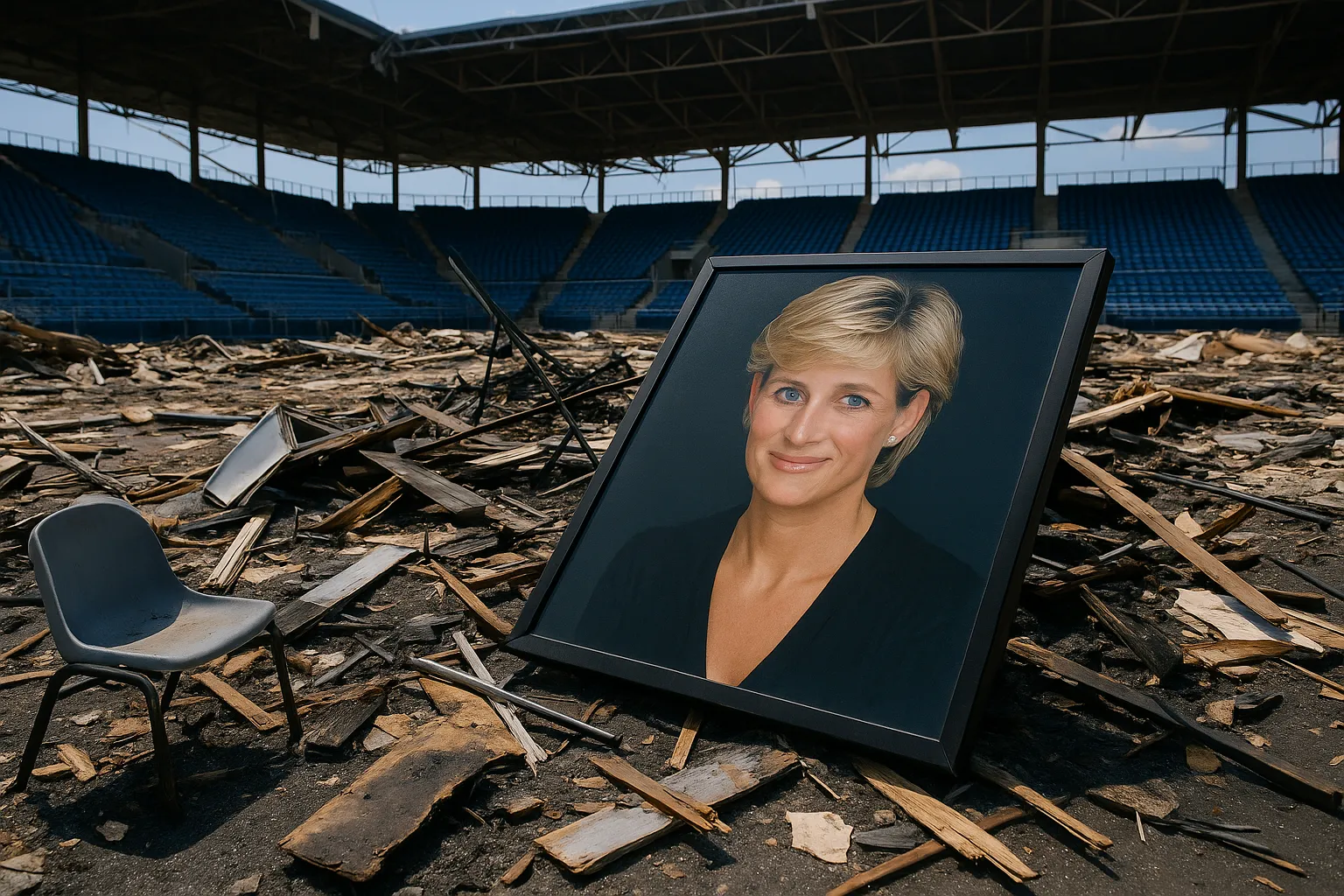
Speaking at the esteemed InterEdge Summit, where tickets were priced at $1,000 per head, Harry articulated his personal struggles and conveyed a sense of emotional vulnerability. He shared with the audience his feelings of being “lost, betrayed, or completely powerless” during various phases of his life, particularly in the wake of his mother’s untimely death shortly before his thirteenth birthday. “After my mum died, I was like: ‘I don’t want this job. I don’t want this role… It killed my mum,’” he stated, reflecting his deep-seated aversion to royal duties, which he felt were detrimental.
His insights were further influenced by his experiences with his wife, Meghan, who earlier addressed students at the Swinburne University of Technology. Meghan disclosed that she had endured ten years of relentless online bullying, making her one of the most trolled individuals globally. “For now, ten years, every day for ten years, I have been bullied and attacked. And I was the most trolled person in the entire world,” she asserted, a statement that resonates with the couple’s ongoing advocacy against the toxic impacts of social media.
During their visit to Australia, the couple participated in an event celebrating Aboriginal culture, where they were approached by media representatives, resulting in an incident that visibly flustered Harry. He seemed protective of Meghan as a television reporter sought a selfie, which momentarily interrupted their interactions. This eagerness from the press underlined the intense scrutiny they consistently face, something they have both expressed concern over.
At the InterEdge Summit, Harry addressed broader themes of leadership within the context of psychosocial wellness and human connection in the workplace. He remarked on the collective toll that contemporary world events exert on individuals, leaving many with feelings of stress and anxiety. In a candid moment, he reflected on the pressure to maintain a facade of normalcy despite personal challenges. “There have been many times when I’ve felt overwhelmed,” he confided, highlighting the pervasive nature of grief and the importance of recognising one’s mental health needs.
The Duke also acknowledged the pivotal role of becoming a father in reframing his understanding of emotional well-being. He noted, “When a parent is overwhelmed, children feel it,” indicating the interconnectedness of family dynamics and mental wellness. His perspective shifted dramatically when he learned that seeking help could be a source of strength rather than a sign of weakness—a lesson he aimed to impart to his audience.
Later in the session, Harry participated in a panel discussion alongside Brendan Nelson, an Australian business leader, where he reiterated his disapproval of the pressures associated with royal responsibilities, referring back to the trauma of losing his mother. “I didn’t want to be a working royal after my mother died,” he confessed, reinforcing the narrative that his current pursuits represent a departure from traditional royal expectations.
His advocacy for mental health was also evident as he praised Australia’s initiative to ban social media use among under-16s, calling the move “epic” from a leadership perspective. He noted, “Australia took the lead. Your government was the first country in the world to bring about a ban.” This ban, he asserted, serves as a critical step towards safeguarding the mental health of young people, though he cautioned that social media companies must also take responsibility in creating safe online environments.
In addition to his remarks about social media, Harry shared his personal journey towards embracing therapy, admitting that it took a significant emotional crisis for him to seek help. “I waited until I was literally in the fetal position, lying on the kitchen floor. Until I was like, ok maybe this therapy thing – maybe I should try it,” he revealed, further normalising the conversation around mental health challenges.
The respondent dynamics from the audience showcased an engaged crowd, with many eager to connect with the couple. They even expressed joy at Meghan’s participation in the upcoming season of MasterChef Australia, which was met with varied reactions online.
Throughout their tour, Meghan’s fashion choices have drawn attention, as she has linked with the AI-powered fashion platform OneOff to showcase and monetise her wardrobe. This platform allows fans to purchase outfits worn by her during public engagements, symbolising a modern intersection of celebrity influence and commerce.
The Duchess’ appearance on MasterChef and the initiative to promote her outfits have stirred excitement, reflecting her ongoing adaptability within the entertainment landscape. Observers noted that while she faces challenges due to her public image, she continues to leverage her platform for both personal and charitable pursuits.
The couple’s advocacy efforts and emotional honesty during their Australian tour underscore a commitment to raising awareness about mental health, while also navigating the complexities of their unique public lives. As they prepared to move to Sydney, their messages on self-advocacy, emotional resilience, and the call for responsible social media practices lingered, leaving a considerable impact on their audience and followers alike.
Our Thoughts
The article highlights the ongoing issue of online bullying and its impact on mental health, as experienced by Meghan Markle. To better safeguard against these issues, several actions could be implemented.
Firstly, educating individuals, especially young people, on the potential dangers and implications of social media use is pivotal. This falls under the purview of the Health and Safety at Work Act 1974, which mandates organizations to ensure the health, safety, and welfare of employees, including mental well-being in the workplace and educational settings.
Secondly, there needs to be greater collaboration with social media companies to enhance accountability and implement stronger regulations against online harassment. The lack of proactive measures by these platforms breaches the duty of care owed to users, highlighting a gap that needs addressing.
Moreover, the principles of the Management of Health and Safety at Work Regulations 1999 could be employed to conduct risk assessments regarding psychological hazards associated with social media use.
In summary, raising awareness, ensuring robust educational programs, and mandating social media platforms to take actionable steps against trolling could significantly mitigate similar incidents in the future.