
















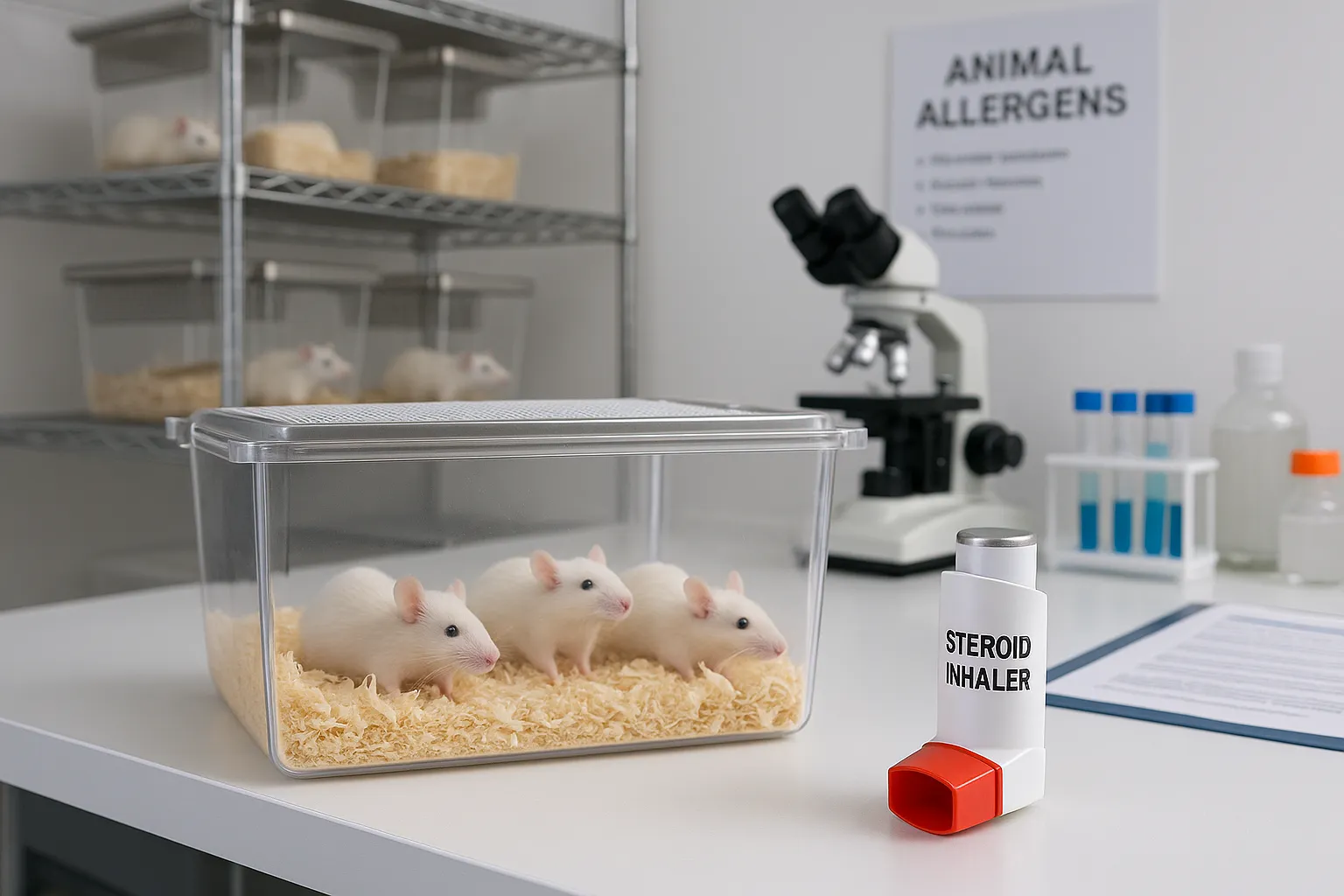
Story Highlight
– Cardiff University fined £280,000 for safety breaches.
– Two employees developed lifelong occupational asthma conditions.
– University failed to control animal allergen exposure risks.
– HSE found violations lasted over 15 years.
– Employers must assess and mitigate exposure to allergens.
Full Story
Cardiff University has been handed a substantial fine of £280,000 after an investigation revealed the institution’s failure to adequately manage risks associated with exposure to animal allergens, resulting in two employees suffering from occupational asthma. The findings by the Health and Safety Executive (HSE) detailed a disturbing oversight that persisted over a 15-year period, leading to serious health implications for those affected.
The HSE’s inquiry indicated that between 2008 and 2025, Cardiff University neglected to implement necessary measures to safeguard its staff from exposure to allergens in the workplace. The consequences of this negligence were severe: both individuals who developed occupational asthma now face lifelong health conditions, with one being unable to continue their employment in their previous role due to the debilitating effects of the disease.
In a statement, one victim elaborated on the impact of their condition: “I was diagnosed with occupational asthma and occupational rhinitis, and my lung function has been permanently decreased by 33 percent. As a result, my breathing has been terrible, and I struggle walking any distance. Going upstairs is really difficult. I have to take steroid inhaler, a nasal spray and a bronchodilator throughout the day as I need it. I become breathless when having long conversations and I am unable to walk and talk at the same time anymore.”
The HSE’s investigation underscored a significant lapse in the university’s adherence to established health and safety regulations. The Control of Substances Hazardous to Health Regulations (COSHH), which includes provisions for managing risks related to hazardous substances, has been in effect since 1989. Furthermore, guidance specifically tailored for workers handling laboratory animals has existed since 2011, yet Cardiff University failed to enforce these directives adequately, leading to the workplace hazards that ultimately affected the health of its employees.
Occupational asthma is recognized as a significant work-related illness, often resulting in long-term health issues that can severely impact an individual’s quality of life. The HSE highlighted that it is imperative for employers, particularly those working with animals or biological agents, to thoroughly assess potential exposure risks and implement appropriate protective measures to mitigate them.
Cardiff University admitted guilt to breaching Section 2(1) of the Health and Safety at Work etc. Act 1974, prompting the court’s imposition of the fine and an additional £11,745 to cover costs associated with the case during a hearing at Cardiff Magistrates’ Court on 30 April 2026.
Following the ruling, HSE inspector Janet Hensey expressed her concern regarding the extend of the university’s negligence, stating: “This was a case of Cardiff University failing to properly deal with very real risks to employees working with animals and not putting suitable controls in place to prevent exposure. The fact this went on for 15 years is truly concerning. Occupational asthma is a recognised work-related disease with potentially disabling consequences. HSE will not hesitate to take action against organisations, which do not do all that they can to keep people safe.”
This prosecution underscores a critical failure on the part of the university to create a safe working environment, reflecting broader issues regarding workplace health and safety in research institutions. Experts stress that it is crucial for all organisations to remain vigilant in their health and safety practices, particularly in environments involving known allergens.
The HSE, as the national regulator for workplace health and safety in the UK, remains dedicated to holding organizations accountable for ensuring the wellbeing of their employees. In light of this incident, the agency has reiterated its commitment to enforcing health and safety regulations and safeguarding workers from preventable health risks.
For those interested in more information regarding workplace safety regulations, the Health and Safety Executive provides resources and updates on legislation, including specific guidance on hazardous substances and their management in workplace settings.
Furthermore, the HSE’s mission includes preventative measures aimed at reducing incidents of work-related illnesses and injuries. With the current case involving Cardiff University, they aim to highlight the necessity for thorough risk assessments and proactive measures that every employer should undertake to protect their staff.
In conclusion, the situation at Cardiff University serves as a poignant reminder of the importance of rigorous health and safety protocols within educational and research institutions. The impact of occupational hazards extends far beyond immediate risks, affecting the livelihoods and wellbeing of individuals, with long-lasting repercussions. As these developments unfold, the emphasis on accountability in occupational health and safety will undoubtedly remain at the forefront of discussions within the UK workplace context.
Our Thoughts
Cardiff University failed to adhere to the Control of Substances Hazardous to Health Regulations (COSHH), breaching its duty to assess and manage the risks associated with exposure to animal allergens. Over a 15-year period, inadequate protections led to two employees developing occupational asthma, demonstrating a serious neglect of health and safety obligations as outlined in the Health and Safety at Work etc. Act 1974, specifically Section 2(1).
To prevent such incidents, the university should have conducted regular risk assessments, implemented suitable control measures such as improved ventilation, personal protective equipment (PPE), and training for employees on handling allergens. Regular monitoring of workplace conditions and employee health could have identified emerging issues earlier.
Key lessons include the importance of continuous evaluation of workplace safety practices and adherence to existing health regulations. Establishing a culture of safety, where employees feel empowered to report concerns, could prevent similar occurrences. A commitment to health and safety management, in line with legal requirements, is essential to safeguarding employees’ wellbeing in settings involving hazardous substances.