









Story Highlight
– Two individuals self-isolating after hantavirus exposure.
– British man evacuated in stable condition.
– Three fatalities linked to MV Hondius outbreak.
– Monitoring of passengers; low risk to public.
– WHO coordinating international response to outbreak.
Full Story
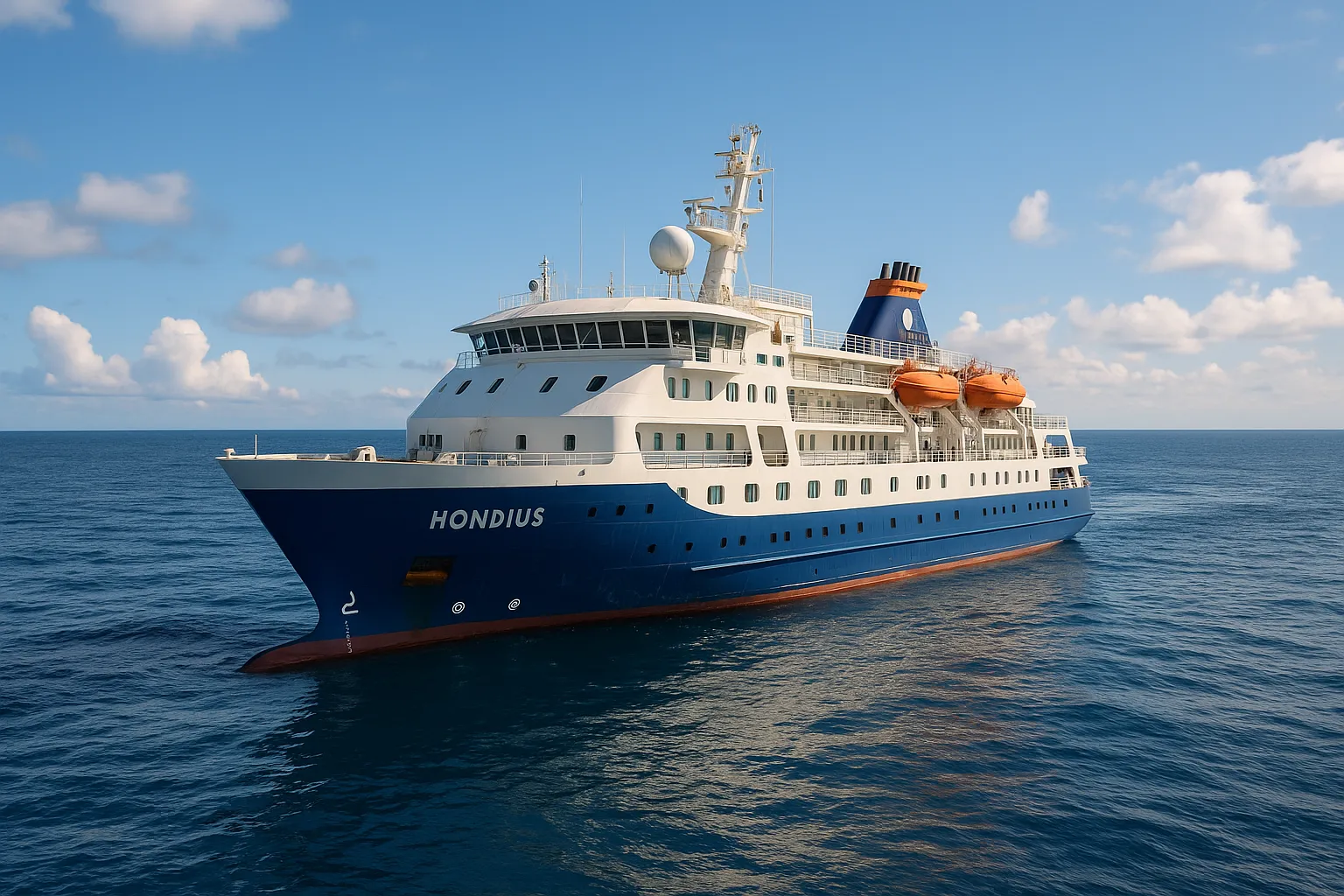
Passengers from the MV Hondius, a cruise ship affected by a hantavirus outbreak, are poised to return to the UK amidst ongoing health concerns. The UK Health Security Agency (UKHSA) confirmed that two individuals are currently self-isolating in the UK after potential exposure to the virus. Additionally, a 56-year-old British man remains stable following his evacuation from the ship, which has been the centre of attention since its departure from Argentina one month ago.
The situation, which has seen three fatalities linked either to the ship directly or occurring after disembarkation, prompted the UKHSA to issue a statement regarding the health measures in place as all remaining passengers prepare for their return journey. As part of their response, the UKHSA has been working collaboratively with several organisations including the World Health Organisation (WHO), the Foreign, Commonwealth and Development Office (FCDO), and the Department of Health and Social Care (DHSC) to mitigate any further risks as nationals return from the affected cruise.
In their report, the UKHSA detailed that three individuals suspected of having the hantavirus, including a British national, were evacuated from the MV Hondius and transferred to medical facilities in the Netherlands, a process coordinated with local authorities in Cape Verde and Dutch officials. Medical teams are closely monitoring the condition of these affected individuals.
Authorities now confirm that British nationals remaining on board can be repatriated once the vessel arrives at its next port of call, provided they do not exhibit any symptoms. Currently, the UKHSA reports that none of the British passengers show signs of infection, although they are under careful observation.
The FCDO is actively arranging for the repatriation of these individuals, and upon their return to the UK, they will be supported in self-isolation, including regular health checks and contact with healthcare professionals. The agency is also aware of two other individuals who returned to the UK independently after their time aboard the MV Hondius. These individuals are not displaying symptoms and are receiving guidance to self-isolate.
UKHSA has also extended support to a small group classified as close contacts of those affected, ensuring they too have access to necessary resources and guidance during their self-isolation, with no reported symptoms from this group either. The agency confirmed that the overall risk to the public remains low.
Dr Meera Chand, Deputy Director for Epidemic and Emerging Infections at UKHSA, offered reassurance: “Our thoughts are with all those affected by the hantavirus outbreak onboard the MV Hondius. It’s important to reassure people that the risk to the general public remains very low.” She emphasised the importance of contact tracing in curbing any potential spread of the virus, noting that UKHSA is dedicated to offering full support to British nationals returning from the ship.
In tandem with its public health efforts, the UKHSA is working alongside the FCDO, the Home Office, and Border Force to identify any other individuals who may have travelled on the same flight as the confirmed cases. This thorough review aims to conduct risk assessments and implement necessary protective measures.
Hantavirus refers to a group of viruses predominantly transmitted by rodents and is characterised by a variety of illnesses that can range from mild, flu-like symptoms to severe respiratory issues. Although human infections are rare, they usually occur in environments where humans and rodents are in close proximity—most commonly in rural, agricultural settings or in areas such as holiday homes or storage facilities infested by rodents.
The UKHSA clarified that while most hantaviruses do not spread between humans, there are rare instances of human-to-human transmission, particularly with the Andes virus strain, which has been identified in this outbreak associated with the MV Hondius. Typically, infection occurs via inhalation of airborne particles contaminated with the virus from rodent excretions or through direct contact with contaminated surfaces.
The World Health Organisation is spearheading the international efforts addressing this incident, directing the management of the ship and providing recommendations to minimise the risk of hantavirus transmission as passengers prepare to return home.
The response effort from the FCDO includes establishing consular teams across several nations to assist British nationals during this outbreak. The UK government continues to maintain close collaboration with international authorities, cruise ship operators, and governments of territories that have been on the ship’s itinerary.
As the passengers make arrangements for their return, health officials remain vigilant in monitoring the situation and implementing protocols to safeguard public health. The ongoing work by the UKHSA and its partners underscores a comprehensive approach to not only assist those impacted by the recent outbreak but also to reinforce confidence in the safety measures in place for returning travellers. The authorities encourage all individuals connected to the incident to remain attentive to their health and adhere to guidelines provided by health professionals as the situation unfolds.
Our Thoughts
To mitigate the hantavirus outbreak on the MV Hondius and prevent similar incidents, several measures could have been implemented:
1. **Risk Assessment and Management**: A comprehensive risk assessment should have been conducted prior to the ship’s voyage to identify potential health hazards, especially related to rodent-borne viruses. The Health and Safety at Work Act 1974 mandates employers to ensure the health, safety, and welfare of employees and others affected by their activities, which includes conducting thorough risk assessments.
2. **Enhanced Hygiene Protocols**: The cruise line should have established rigorous hygiene protocols, including regular inspections and sanitation of the ship to limit rodent access and contamination. This aligns with the Management of Health and Safety at Work Regulations 1999, which require employers to implement preventive measures.
3. **Training and Awareness**: Crew members should have received training on identifying signs of rodent infestations and proper handling of potential contamination to minimize exposure risks. This meets the requirements of the Control of Substances Hazardous to Health Regulations 2002.
4. **Immediate Reporting Mechanisms**: Immediate reporting and isolation protocols for symptomatic individuals should have been in place, ensuring swift action to mitigate the spread of infection.
5. **Crew and Passenger Monitoring**: Continuous health monitoring of passengers and crew during voyages could help in the early detection of infections and prevent outbreaks.
These measures address necessary compliance with UK health and safety legislation and promote a safer environment aboard cruise vessels.