
















Story Highlight
– FRT raised £1,414 in Walk for Autism challenge.
– Team exceeded 80,000-step goal, walking 1,066,377 steps.
– FRT employs over 100 autistic individuals and supports awareness.
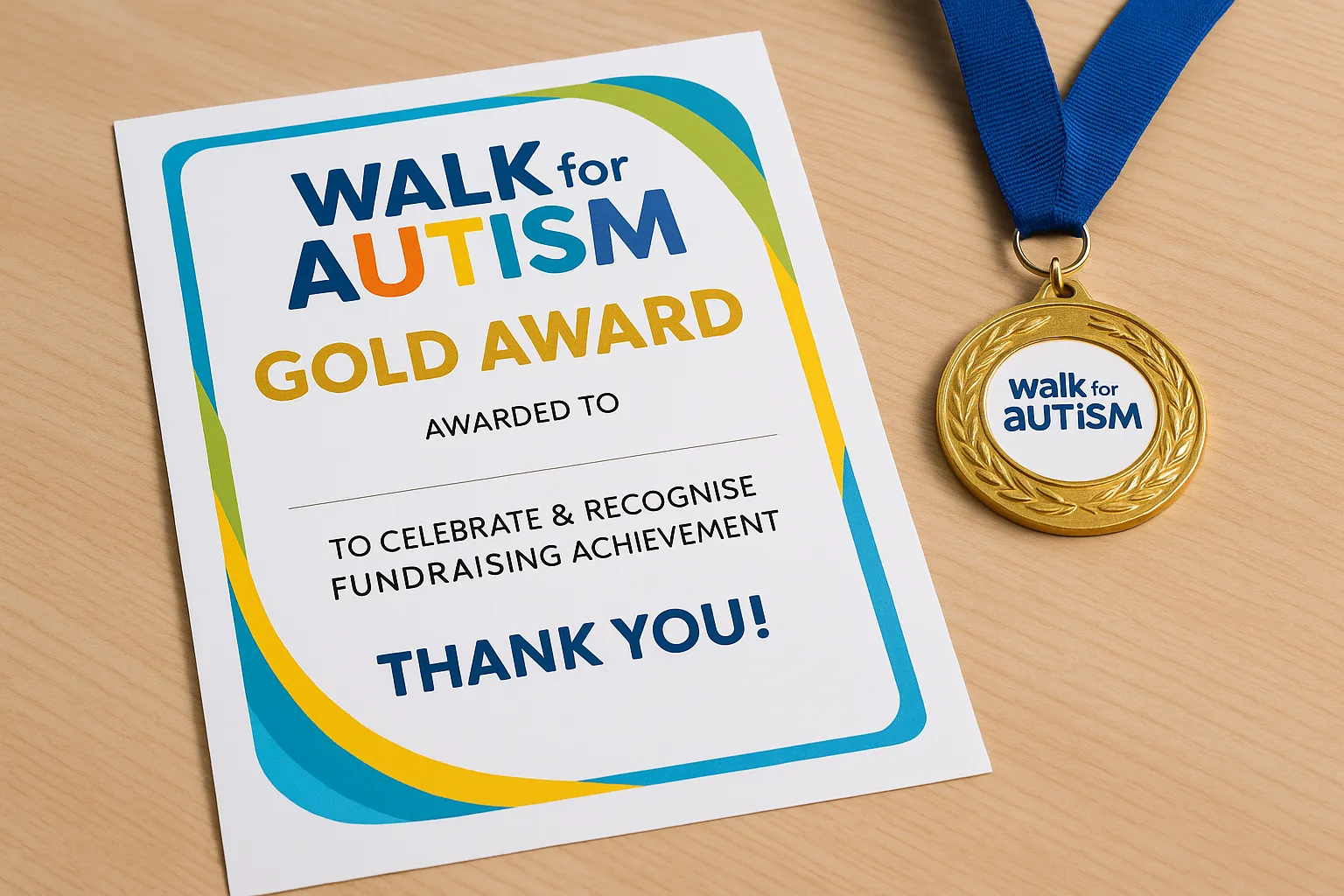
– Received gold award for their impressive fundraising efforts.
– Team plans to participate in challenge again next year.
Full Story
Employees from First Response Training (FRT), headquartered in Pershore, have successfully completed this year’s Walk for Autism initiative, amassing a remarkable total of £1,414 and achieving a staggering 1,066,377 steps over the course of the event, which spanned eight days.
The Walk for Autism campaign encourages participants to collectively walk a distance of 80,000 steps within an eight-day timeframe, all with the goal of generating funds and raising awareness for the Autism Initiatives Group. This organisation provides essential support to individuals on the autism spectrum, as well as their families and caregivers.
Becky Cropper, who serves as the neurodiversity training lead at FRT, expressed her pride in the team’s accomplishments, stating, “I am so proud of our team and the way everyone really gave it their all to smash our targets and raise such a brilliant amount for such a wonderful cause.” She further highlighted the importance of fostering understanding and support for autistic individuals, mentioning, “I’m pleased to work with a team of people that are prepared to go out of their way to support a good cause.”
During the event, the FRT team, consisting of 22 members, set a goal to walk an average of 10,000 steps each day from March 26 through April 2, culminating on World Autism Acceptance Day. Their collective efforts surpassed expectations, with the team not only exceeding their step target but also raising nearly three times their initial fundraising goal of £500.
FRT is dedicated to enhancing awareness and understanding of autism and related neurodiversities through its training programs. The organisation employs over 100 individuals who are autistic or have learning disabilities, reinforcing its commitment to inclusivity in the workforce. In recognition of their achievements, the team was honoured with a gold award and a certificate of appreciation from the Autism Initiatives Group, which also lauded the team on social media.
In a heartfelt message shared on X, the Walk for Autism team commended FRT’s efforts: “Big shoutout to First Response Training! You absolutely smashed WFA and are a top fundraising legend! Congratulations – you are amazing!” This recognition underscores the impact of the team’s dedication and community spirit.
FRT is acknowledged as one of the pioneering training providers in the UK for the Oliver McGowan Mandatory Training on Learning Disability and Autism. They have received quality assurance to deliver this vital training through the Quality Assured Care Learning Service (QACLS), associated with the Department of Health and Social Care and Skills for Care. To date, FRT has successfully trained more than 40,000 individuals through over 1,000 Tier 1 and Tier 2 training sessions.
Laura Amy Williams, an autistic expert with lived experience at FRT, shared her views on the initiative: “It gives me a lot of reassurance to know there are so many people who want to understand autism and autistic people. As an expert with lived experience, I feel I can simply be myself and share my story.” This perspective illustrates the significance of personal experiences in fostering greater awareness and support for those on the autism spectrum.
In addition to their neurodiversity training, FRT conducts over 7,000 courses annually that encompass a variety of subjects including health and safety, first aid, fire safety, food safety, mental health, and health and social care. This extensive training portfolio demonstrates the organisation’s commitment to equipping individuals with the essential skills and knowledge needed to support diverse communities.
Throughout the Walk for Autism challenge, the FRT team actively engaged with the public via social media, sharing updates and photographs that helped maintain enthusiasm and motivation among team members. Their innovative approach combined with a strong sense of community played a crucial role in their success, leading to their impressive total of over a million steps and the prestigious gold fundraising award.
With the conclusion of this year’s event, FRT is already looking ahead to future challenges. The team is enthusiastic about participating again next year and aims to surpass their previous achievements in fundraising for autism research and support. This forward-looking attitude reflects the team’s ongoing commitment to making a positive difference for individuals with autism and their families.
As the awareness around autism and neurodiversity continues to grow, initiatives such as the Walk for Autism play an integral role in fostering inclusivity within society. The strides made by teams like FRT not only help to generate critical funds but also serve to enhance understanding and support for those on the autism spectrum, ultimately paving the way for a more inclusive future for all.
Our Thoughts
The news article highlights a successful fundraising event by First Response Training (FRT) but lacks any mention of health and safety incidents. However, for events involving physical activities like the “Walk for Autism,” several health and safety considerations are crucial to ensure participant safety.
To avoid potential risks, FRT could implement a thorough risk assessment as required under the Health and Safety at Work Act 1974. This would identify hazards associated with walking long distances and allow for the implementation of control measures, such as ensuring participants are fit for the challenge and providing adequate hydration and rest breaks.
Key safety lessons include the importance of pre-event health screening, setting realistic step goals to prevent fatigue and injury, and having first aid provisions on-site during the challenge.
Though no specific regulations appear to have been breached based on the information provided, preventative measures such as ensuring all participants are aware of their physical limits and have access to medical assistance would align with the requirements of the Management of Health and Safety at Work Regulations 1999. Adopting these practices can enhance safety in similar future events.