















Story Highlight
– New guidance prohibits dry cutting of engineered stone.
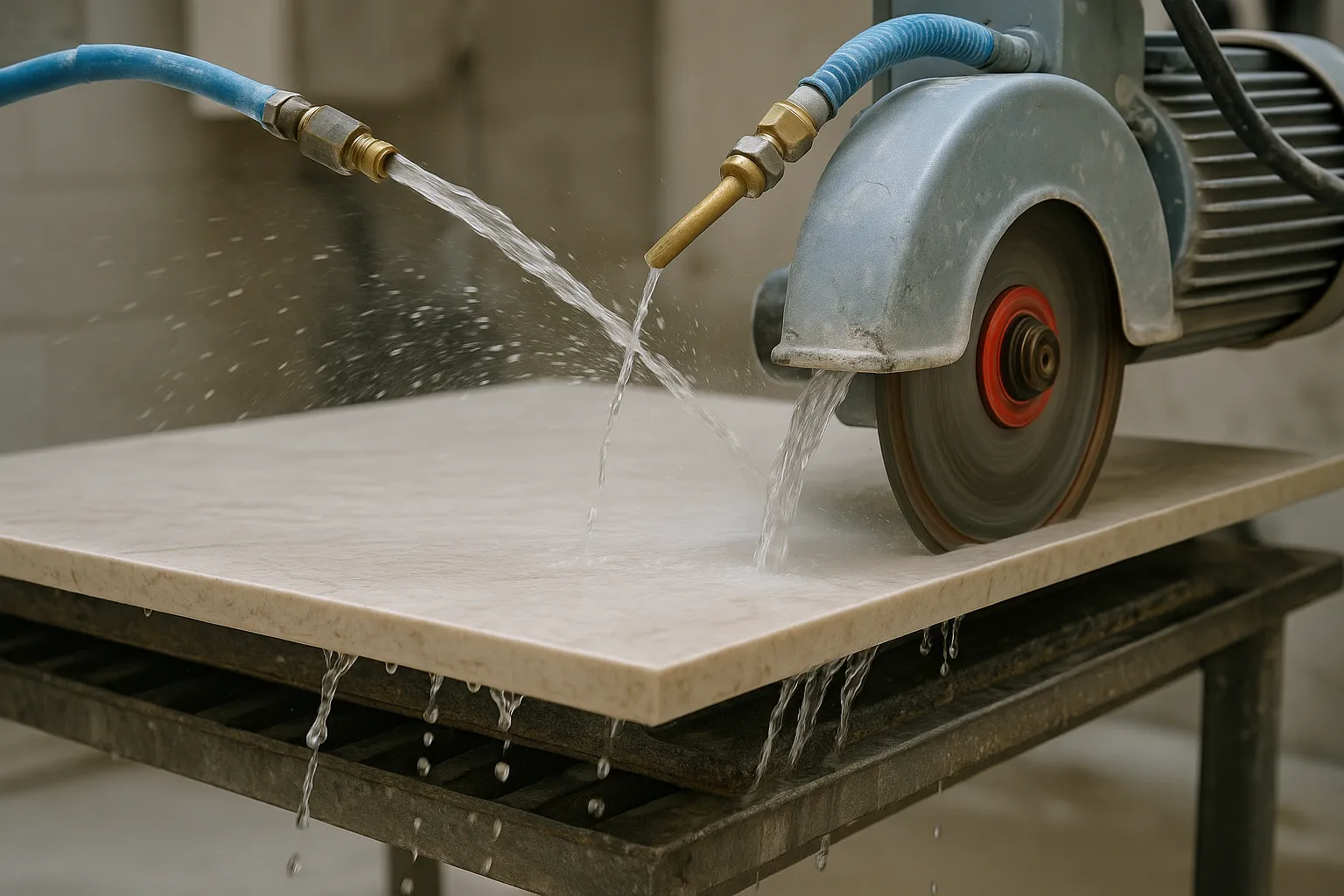
– Water suppression techniques are now legally required.
– Over 1,000 inspections planned to ensure compliance.
– Silicosis risk significantly higher with dry fabrication methods.
– Employers must switch to low-silica engineered stone materials.
Full Story
**Regulatory Shift to Combat Silicosis Risks for Workers in Engineered Stone Industry**
A significant regulatory announcement was made today as the Health and Safety Executive (HSE) unveiled crucial measures aimed at enhancing the safety of workers engaged in the engineered stone sector. These measures come in response to alarming instances of silicosis, a preventable yet lethal lung disease resulting from exposure to silica dust during stone cutting processes.
For the first time, the HSE has published guidance that categorically states that the practice of dry cutting engineered stone is deemed unacceptable. Instead, it specifies that water suppression techniques, which some industry leaders already employ, should be used to mitigate dust exposure. This guidance comes just ahead of the Stone & Surfaces Show, an event that gathers industry professionals and stakeholders.
To ensure compliance with these new directives, HSE will initiate a nationwide inspection campaign, aimed at evaluating adherence to safety standards across the industry. Over the next 12 months, inspectors will conduct in excess of 1,000 inspections at fabricators throughout Great Britain. In instances where businesses are found to be in violation of safety regulations, appropriate enforcement actions will be taken, with initial inspections already in progress.
The urgent call for action was sparked by the tragic deaths of two young workers attributed to silicosis in recent years, prompting responses from various quarters including parliamentarians, trade unions, and medical experts. In light of these tragic cases, the HSE undertook a comprehensive two-year study alongside discussions with industry stakeholders. It determined that the most effective course of action involves the establishment and rigorous enforcement of adequate safety controls.
Research conducted by HSE highlighted that dry cutting techniques expose workers to respirable crystalline silica (RCS) at levels five to ten times higher than wet cutting methods using comparable tools. Furthermore, it identified that engineered stone products with lower silica content are available without compromising quality, thereby providing a viable alternative for businesses looking to enhance worker safety. In light of these findings, the HSE has resolved to implement comprehensive controls throughout the industry.
In a move to clarify these expectations, HSE has released its inaugural Control of Substances Hazardous to Health (COSHH) guidance sheet specifically addressing engineered stone. This document clearly outlines the responsibilities of employers, which include transitioning to engineered stone with reduced silica content, utilising effective water suppression methods, controlling airborne dust, providing appropriate respiratory protective equipment (RPE), and implementing regular health surveillance. Compliance with these stipulations is now a legal obligation.
Mike Calcutt, HSE’s Deputy Director in the Engagement and Policy Division, remarked on the significance of this new guidance, stating, “Today’s guidance marks our most significant intervention in the engineered stone sector to date, and not without good reason. Silicosis is incurable, but it is entirely preventable. No worker should lose their life to a lung disease caused by their job, and that is why we have taken this action.”
Calcutt further emphasized the stark findings from their research, which revealed a concerning lack of compliance among businesses regarding the appropriate health and safety controls. He urged employers to adhere to the newly established guidelines, stressing, “Our inspectors are coming. Those who are cutting corners are not just putting their workers at risk — they are undercutting the businesses doing things properly. We will create a level playing field.”
Engineered stone, commonly utilised for kitchen and bathroom countertops, can contain up to 95% crystalline silica. Unlike natural stone, where the development of silica-related diseases often takes decades, recent reports indicate that the dust from engineered stone can lead to silicosis in a matter of months or years. This puts workers at grave risk of suffering permanent lung damage, often before they even begin to show symptoms, underscoring the critical need for timely interventions.
Sir Stephen Timms, Minister for Social Security and Disability, echoed the importance of the new guidelines, stating, “Every worker deserves to come home safe, without fear of losing their life to a preventable, deadly lung disease caused by their job. This new guidance gives businesses clear, unambiguous instructions on what the law requires.”
Kevin Bampton, Chief Executive Officer of the British Occupational Hygiene Society, praised the HSE’s updated guidance for providing much-needed clarity regarding safety practices within the industry. He highlighted that the guidance reflects scientific evidence and best practices necessary for the protection of workers.
Additionally, Nigel Fletcher from the Worktop Fabricators Federation expressed support for the new measures, stating, “We welcome HSE’s new guidance, which clarifies what good control looks like when working with engineered stone.”
The forthcoming inspection campaign is part of HSE’s broader strategy, which extends into 2026 and 2027, and aims to foster ongoing dialogue with employers and trade associations, ensuring compliance and enhancing awareness regarding legal responsibilities.
For any worker or employer who may have concerns about the standards of safety controls within their workplace, the HSE encourages outreach via their hotline at 0300 003 1647 or through their website at hse.gov.uk. Furthermore, individuals worried about their health should seek medical assistance promptly.
In conclusion, the HSE’s introduction of comprehensive regulations and guidance for the engineered stone sector represents a vital step toward safeguarding worker health and safety, particularly in a field where the risks are increasingly being recognized. The necessary measures not only reflect a commitment to preventing further tragedies but also promote a culture of accountability within the industry.
Our Thoughts
To prevent the tragic silicosis deaths of young workers, several proactive measures could have been implemented. Firstly, stricter adherence to the Control of Substances Hazardous to Health (COSHH) Regulations would ensure that employers provide effective control measures for harmful dust exposure, including mandatory water suppression for cutting engineered stone. This legal requirement has now been clarified, emphasizing the need to abandon dry cutting practices.
Employers should have conducted thorough risk assessments and integrated comprehensive health and safety training focused on the dangers of silica exposure. Regular health surveillance of workers could detect early signs of exposure, helping to mitigate severe health outcomes. The duty under the Health and Safety at Work etc. Act 1974 requires employers to ensure the safety of their workers, which encompasses continuous monitoring and improvement of workplace practices.
The recent HSE inspections signal a shift towards enforcement; however, ongoing training and clear communication regarding health risks and legal obligations must remain priorities to prevent similar incidents in the future. Encouraging the use of lower-silica alternatives can further enhance worker safety, ensuring compliance with regulations while protecting employee health.