














Story Highlight
– Play sand at Whitley Lodge School tested positive for asbestos.
– Nursery closed temporarily for deep cleaning and testing.
– North Tyneside Council assures low health risk overall.
– Other schools temporarily closed for precautionary measures.
– Product recalls of contaminated play sand affect major retailers.
Full Story
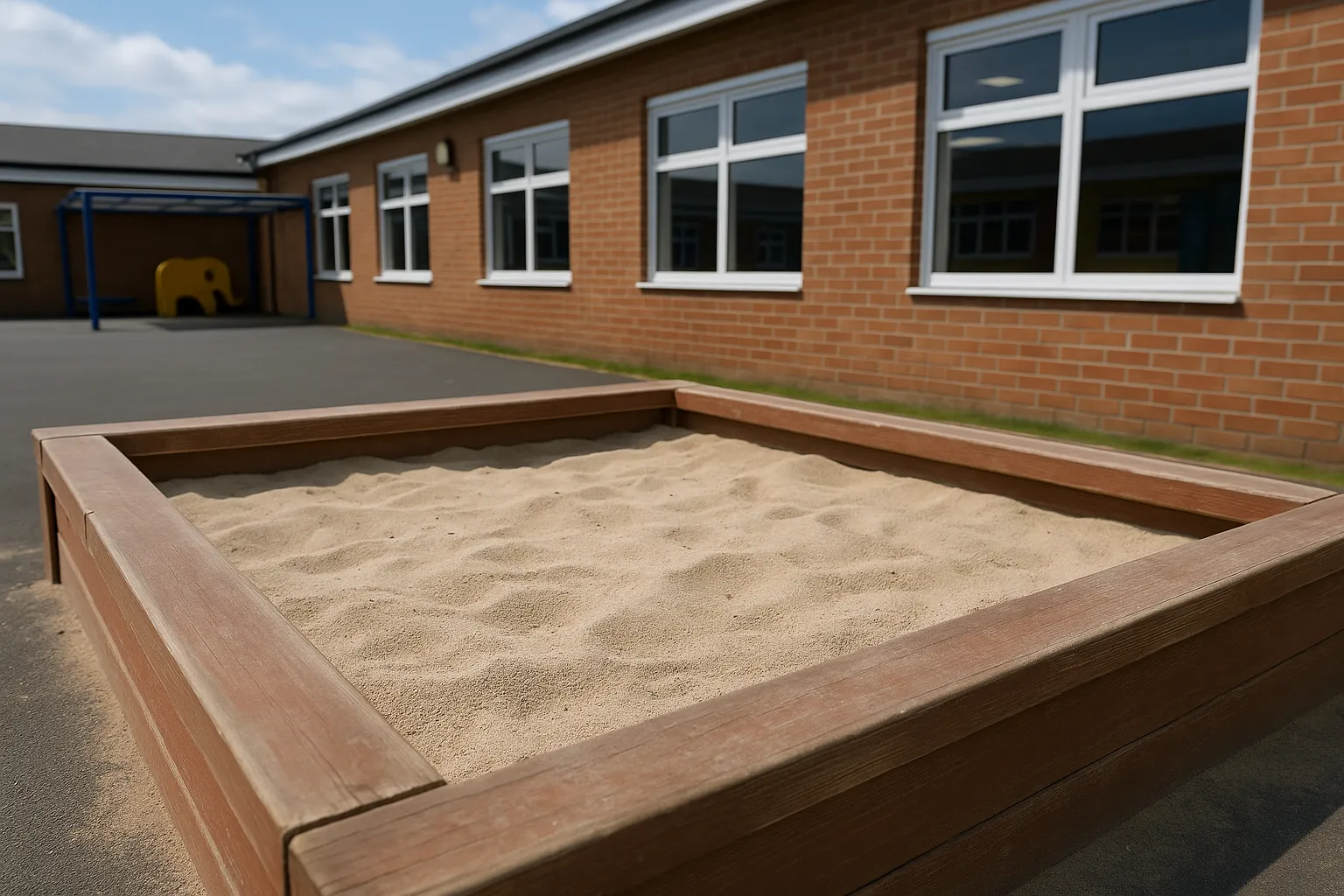
Schools in North Tyneside are currently navigating concerns regarding play sand products potentially contaminated with asbestos. Recent developments have emerged following testing at Whitley Lodge First School in Whitley Bay, where a sample of the play sand indicated positive results for asbestos. Upon receiving these findings, the sand was promptly removed in accordance with national safety protocols, and the nursery at the school was closed for a day to facilitate a thorough cleaning.
Despite the initial alarm, subsequent testing for airborne asbestos fibres returned negative results, allowing the institution to resume normal operations. However, questions remain regarding the length of time the contaminated sand may have been in use and the potential exposure risk to children.
North Tyneside Council has sought to reassure the public, emphasizing the guidance provided by the UK Health Security Agency (UKHSA) which stated that “the risk to health is low.” In these recent events, other local authorities across the North East have reported no similar incidents of asbestos contamination in their schools.
The contamination issue is part of a broader concern, as investigations revealed traces of asbestos in 39 products labelled as play sand, leading to widespread product recalls this year from major retailers including Tesco and Hobbycraft. Experts suspect that these issues primarily stem from manufacturing processes in regions with less stringent testing protocols.
In light of the potential health risks associated with asbestos exposure—known to be linked to serious illness such as cancer after significant or prolonged exposure—North Tyneside Council has engaged in proactive collaboration with health protection and safety teams. Several schools across the region, including Woodlawn School in Monkseaton and Silverdale School in Howdon, temporarily closed portions of their facilities as a precaution before reopening following negative asbestos test results.
Updated information indicates that Beacon Hill School in Wallsend will remain closed pending further testing results. Rebecca Wall, the Director of Children’s Services at North Tyneside Council, articulated the situation by highlighting the council’s commitment to ensuring the safety of students and staff. She noted, “Keeping pupils and staff safe is our top priority, and we take this responsibility extremely seriously. Earlier this week, we became aware of wider concerns linked to a national product recall involving play sand and the potential presence of asbestos.
“We acted immediately to support schools in temporarily restricting access to areas where play sand is used, providing reassurance while further checks are carried out. Temporarily closing schools is never a decision we take lightly. However, due to the significant quantities of play sand on site at Beacon Hill and Silverdale Schools, and following guidance from the Health and Safety Executive, we have advised that both schools temporarily close as a precautionary measure.”
Wall reassured those involved that, according to the UKHSA, the overall health risk remains low. Ensuring a thorough examination of public safety, she confirmed the council’s ongoing partnership with external agencies to maintain a vigilant and safety-first strategy throughout this situation.
The Health and Safety Executive (HSE) has also expressed its role in this matter, confirming it is working with North Tyneside Council to provide the necessary expertise and support. A spokesperson for HSE stated, “We are working with North Tyneside Council to help them secure expert advice and support, allowing for any issues from asbestos to be safely resolved.”
Other councils within the region, including those in Newcastle, South Tyneside, Durham, and Northumberland, are closely monitoring the unfolding situation. Officials in Newcastle reported no damage was done to local schools, while South Tyneside has circulated information about the product recalls but confirmed that none of the affected products have been identified within their schools.
Jim Murray, the head of education and skills at Durham County Council, stated, “While we have not received reports of sand containing asbestos within our school settings, we are aware of the recall and will be monitoring the situation. We are working closely with schools and issuing advice in line with national guidance.”
Similarly, a representative from Northumberland County Council affirmed ongoing vigilance, noting that no classroom closures had been necessitated. In Gateshead, a council spokesperson indicated that safety alerts had been shared with schools regarding the issues surrounding contaminated play sand; however, no school closures have taken place.
As the trust and safety of educational environments remain paramount, local authorities are taking considerable steps to ensure compliance with health guidelines and maintain open lines of communication with families regarding potential risks and safety measures. As investigations continue, parents and guardians are advised to stay informed of updates from school officials about the measures being taken in light of the national product recalls and ongoing testing.
In these evolving circumstances, the health and wellbeing of children and staff in educational settings are undeniably top priorities, as local councils across the region remain dedicated to upholding safety standards amid growing concern regarding product safety in schools.
Our Thoughts
To avoid the incident of asbestos contamination in play sand at Whitley Lodge First School, several proactive measures could have been implemented. Firstly, thorough pre-purchase assessments and regular safety audits of playground products should be mandated under the Health and Safety at Work etc. Act 1974, ensuring that materials are sourced from reliable suppliers with rigorous quality control, especially for items used in children’s environments.
Key safety lessons include the importance of vigilance regarding product recalls, as highlighted by the notifications regarding 39 contaminated products. Implementing a clear communication strategy across educational institutions about such recalls can enhance awareness and prevent use of hazardous materials.
Regulations breached may include the Control of Asbestos Regulations 2012, as schools must ensure that all personnel are not exposed to asbestos risks within school environments, including monitoring potentially contaminated materials.
Preventive measures for similar incidents include regular inspections of playground materials, registration with the Health and Safety Executive for updates on hazardous materials, and immediate reporting protocols when concerns arise, fostering a culture of safety within schools.