














Story Highlight
– Asbestos found in play sand at North East nursery.
– Whitley Lodge nursery closed for cleaning and testing.
– Government warns of contaminated UK sand products.
– Risk to children deemed low by health officials.
– Council initiating testing in schools and play areas.
Full Story
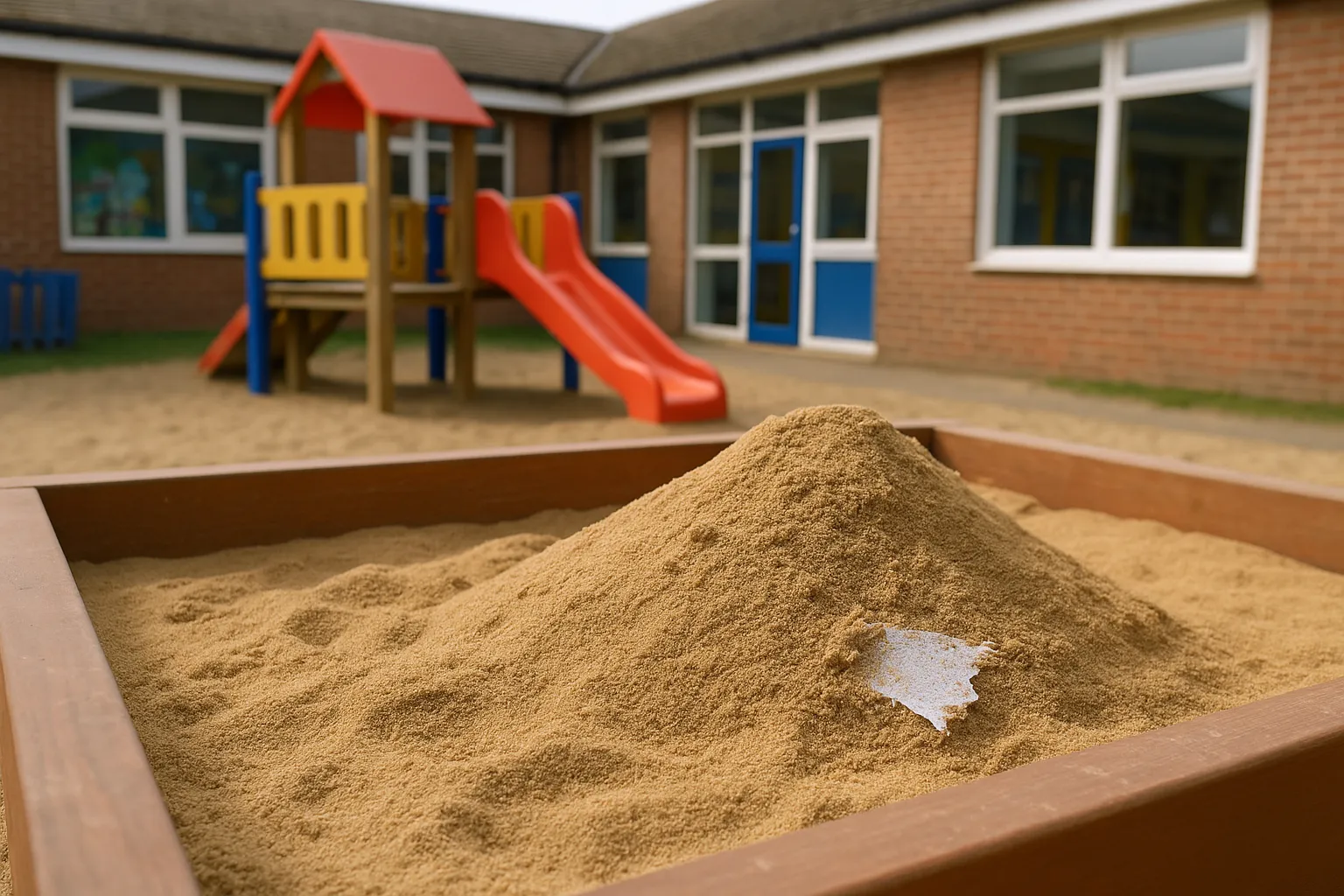
Asbestos has been detected in play sand at a nursery managed by North Tyneside Council, raising concerns among parents and officials alike. Environmental tests conducted at Whitley Lodge Nursery in Whitley Bay confirmed the presence of chrysotile, a type of asbestos. In response to this finding, Beacon Hill School in Wallsend has been temporarily closed to facilitate additional testing, following guidance from health authorities.
On Wednesday, government officials acknowledged the risk associated with certain products in the UK, indicating that they might contain “sand contaminated with asbestos,” and announced a recall of these items from the companies that distributed them.
Rebecca Wall, the director of children’s services for North Tyneside Council, addressed the situation, expressing understanding of the anxiety parents may feel. She emphasised the importance of evaluating the extent to which children may have been exposed. “The advice is really clear, it is a low-level risk to children,” Wall stated. She acknowledged that the nature of the material, being sand, contributes to the unease but reassured the community that the risk level is proportionate to the potential exposure time.
Following the confirmation of asbestos during routine checks, Whitley Lodge Nursery was promptly closed on Monday. It underwent thorough cleaning by specialized technicians and reopened on Wednesday. However, parents were only informed of the reason for the closure the following Thursday, which may have contributed to additional anxiety among families.
In a preventative measure, Woodlawn Primary School in Whitley Bay was also closed on Wednesday; this was a precautionary action. Fortunately, testing revealed no contamination there, leading to a swift reopening. Similarly, Silverdale School in Howden had also closed down for testing, with negative results allowing its reopening by Friday.
The contaminated play sand, used in outdoor playgrounds and indoor sand tables, is believed to have originated from imports from China. North Tyneside Council has indicated that while assessments are ongoing, it has not ruled out the possibility of testing additional play areas and public parks, prioritising the safety of children’s play environments across the borough.
Chrysotile, often referred to as white asbestos, is recognised as the most prevalent form of asbestos. Characterized by its soft and flexible fibres, it is regarded as less dangerous compared to other variants of asbestos, such as blue and brown. Despite its past widespread use in products ranging from construction materials to thermal insulation, the general consensus is that intact asbestos poses a minimal risk. However, when the material is damaged, the potential release of harmful fibres becomes a significant concern that can result in serious health issues, including cancer when inhaled.
In light of these developments, Wall reassured the community, stating, “Keeping pupils and staff safe is our top priority, and we take this responsibility extremely seriously.” She added that the council has reached out to early years and special educational needs schools, given their higher likelihood of using play sand, to ensure safety measures are in place.
Further guidance has been provided by the Office for Product Safety and Standards, indicating that any contaminated products listed on the recall should be removed from use immediately. Individuals should avoid areas where the sand may be present until comprehensive cleaning has been conducted. In collaboration with the council, the Health and Safety Executive is actively engaged in facilitating expert guidance to ensure all safety concerns surrounding asbestos are appropriately managed.
The unfolding situation has captured public attention, highlighting ongoing concerns about safety standards in products intended for children. Parents in the area have expressed unease over the potential long-term impacts of exposure, even at low levels, and have called for greater transparency from authorities regarding the sourcing and safety of play materials.
As health officials continue to investigate the implications of this contamination, the importance of vigilance and information sharing within the community has become increasingly apparent. The council emphasises that it will provide timely updates as further testing and evaluations are conducted, reinforcing its commitment to the well-being of children within its jurisdiction.
The wider implications of this incident extend beyond North Tyneside, drawing attention to the need for rigorous oversight of product safety and manufacturing standards, particularly for items intended for children. As the situation develops, local authorities and health agencies will play a critical role in ensuring that the health risks are mitigated and that both parents and educators can feel assured of the safety of play environments.
Individuals interested in staying updated on this topic can follow local news outlets for the latest information and join discussions on social media platforms to share experiences and seek community support.
Our Thoughts
The discovery of asbestos-contaminated play sand at a council-run nursery highlights significant lapses in health and safety protocols under UK legislation, specifically the Health and Safety at Work Act 1974. To prevent similar incidents, stricter import regulations and thorough testing of materials, particularly those used in children’s play, should be enforced. Lapses in communication were evident as parents were only informed about the contamination after the nursery’s reopening, suggesting that risk communication protocols were not followed.
Key safety lessons include the importance of immediate recall and proper notification procedures when hazardous materials are discovered. The local authorities must ensure that all products, particularly those sourced internationally, comply with UK safety standards to mitigate risks to children. Enhanced coordination with the Health and Safety Executive and proactive measures in product assurance could also prevent contamination incidents.
Regulations breaching included the requirements for manufacturers and suppliers to ensure products are safe and free from harmful substances, as stipulated in the General Product Safety Regulations 2005. Regular inspections and audits of suppliers and imported goods would enhance safety and compliance in future.