















Story Highlight
– Council collaborates with schools on asbestos safety measures.
– Concerns raised over ‘play sand’ possibly contaminated with asbestos.
– Woodlawn School temporarily closed classrooms for testing procedures.
– Health experts assure low risk to children’s health.
– Parents express frustration over communication from the council.
Full Story
Schools in North Tyneside are taking steps to ensure the safety of students following concerns surrounding the potential contamination of play sand with asbestos. This issue arose in light of recent national and international reports indicating that some products, linked to play sand, may have been manufactured with asbestos materials, leading to heightened vigilance among local educational institutions.
The concern has prompted collaboration between the North Tyneside council and its schools. Among the local institutions affected is Woodlawn School, located in Whitley Bay, which supports children with special educational needs. As a precaution, some classrooms at Woodlawn were temporarily closed this week to facilitate testing for asbestos contamination. Parents were subsequently informed that all test results returned negative, allowing the school to reopen as usual.
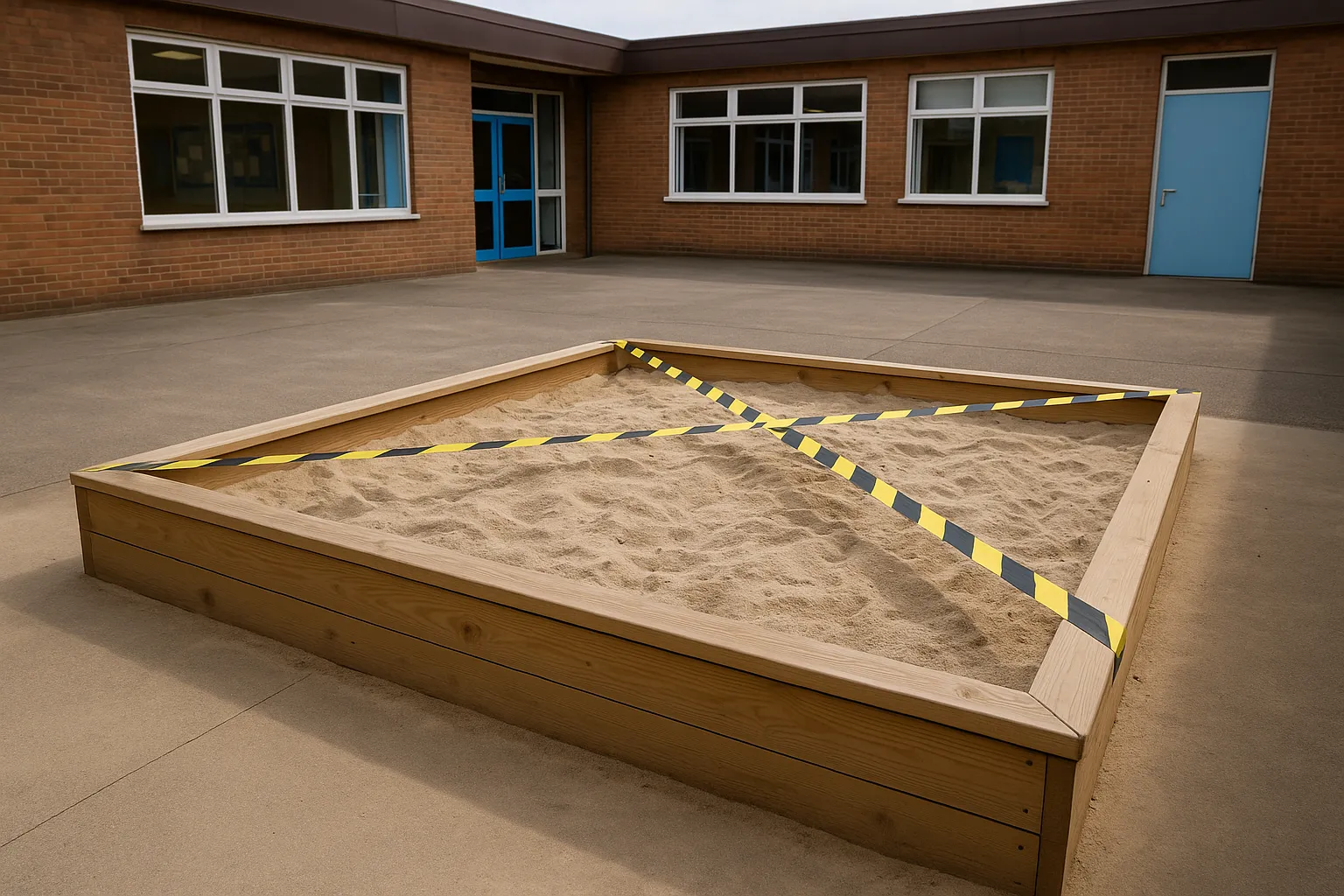
Meanwhile, Beacon Hill School in Wallsend announced via social media its decision to close for two days, Wednesday and Thursday, following recommendations from the local authority. Local public health officials are actively working to limit access to areas where play sand is present, particularly in schools known to utilise it in sensory learning activities, vital for some students’ development.
The recent issues with play sand products have drawn attention not only locally but also at the government level. The Government’s Office for Product Safety and Standards (OPSS) issued a warning earlier this week regarding products sold in the UK that may contain asbestos-contaminated sand. This announcement underscored that any affected products have been recalled by the respective businesses, and the OPSS anticipates further proactive recalls as necessary.
Louise Gray, the director of public health for North Tyneside, reassured the community by stating that health experts have assessed the risk of exposure for children as being low. She emphasised the collaborative efforts underway, stating, “Following a product recall relating to play sand and the potential presence of asbestos, we are working closely with schools across the borough, the UK Health Security Agency (UKHSA) and our partners to ensure a coordinated and precautionary response. The safety and wellbeing of children and staff remain our absolute priority.”
In light of the circumstances, health officials are assisting schools in implementing temporary measures to restrict access to areas where play sand has been used. Gray confirmed that expert guidance suggests the health risks are minimal, providing a degree of reassurance to parents and educators. She further noted, “We will continue to monitor the situation closely and will take any further action necessary, in line with national guidance.”
However, some parents of children attending Woodlawn School expressed frustration over the communication from local authorities. One parent, who chose to remain anonymous, described the situation as “bizarre,” citing difficulties in obtaining clear and timely information about the school’s protocols and the safety of their children. This experience underscores the importance of transparent communication during public health concerns, especially in settings involving vulnerable populations.
Messages sent to parents informed them about the classroom closures, with the initial notification stating that the actions were taken based on instructions from the council in response to the national recall of play sand products. A subsequent message was sent to confirm that all classes would resume following the receipt of negative test results, thanking parents for their understanding.
In conjunction with local actions, the OPSS has made available a list of identified contaminated products that are currently subject to recalls, urging consumers to check for their purchases on the OPSS Product Safety Alerts, Reports and Recalls page. Individuals who identify any unsafe products are advised to consult the related recall notice for guidance on returns or safe disposal.
As schools navigate these challenges, the focus remains on ensuring the safety of all students. Relying on expert advice and collaborating with health authorities, North Tyneside schools are committed to maintaining a secure environment for learning while keeping parents informed of any developments that may arise.
Our Thoughts
The potential presence of asbestos in play sand used in schools highlights several critical safety lessons and regulatory breaches under UK Health and Safety legislation.
Firstly, there should have been more stringent supplier verification processes to ensure that products provided to schools are free from hazardous materials, aligning with the Health and Safety at Work etc. Act 1974, which mandates a duty of care.
Additionally, proper risk assessments should have been conducted prior to the introduction of play sand within educational environments, particularly in SEND schools where children may have heightened vulnerabilities. The Control of Asbestos Regulations 2012 requires that exposure to asbestos should be minimized and monitored.
The communication breakdown between the council and parents indicates a need for enhanced transparency and clearer channels of information dissemination, addressing the Management of Health and Safety at Work Regulations 1999, which emphasizes effective communication during health and safety management.
To prevent similar incidents, regular audits of supply chains and proactive monitoring of imported products should be implemented, alongside training for staff on recognizing potential hazards associated with play materials.