















Story Highlight
– Dartmoor Prison exposed to dangerous radon gas levels.
– Health and Safety Executive warns of safety failures.
– Radon levels exceeded legal limits in multiple areas.
– Crown Censure authorized against HM Prison Service.
– Staff and inmates pursuing legal action for health risks.
Full Story
**Prison Authority Faces Official Reprimand Over Radon Exposure at Dartmoor**
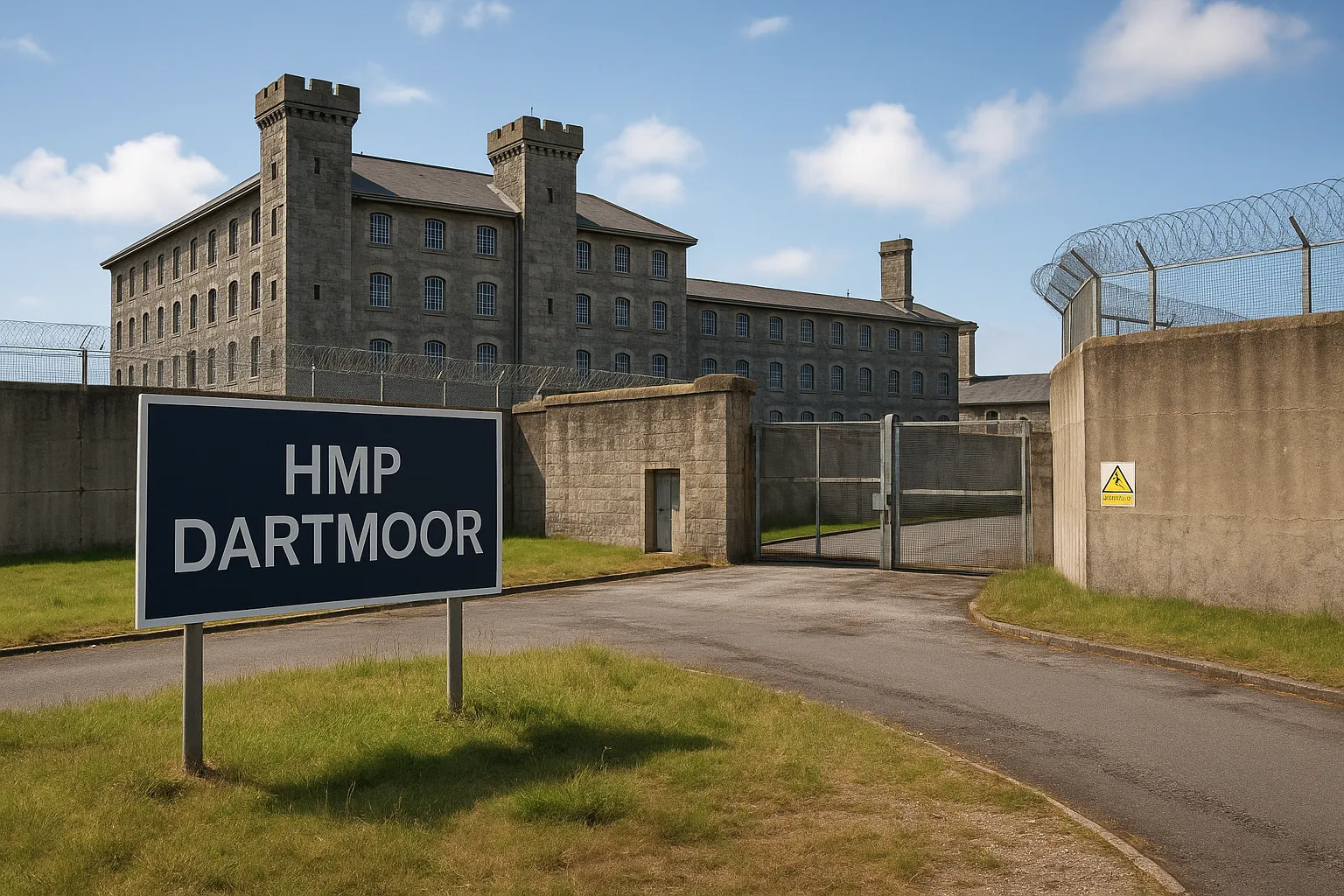
Prison authorities are confronting a formal public reprimand following the exposure of both staff and inmates to hazardous levels of radon gas within the confines of Dartmoor Prison, located in Devon. This naturally occurring radioactive gas has been linked to approximately 1,100 lung cancer fatalities annually across the United Kingdom, as reported by the UK Health Security Agency.
The Health and Safety Executive (HSE) has implicated HM Prison and Probation Service in significant lapses concerning safety management, indicating that individuals at the facility have been subjected to radiation levels surpassing the established legal thresholds. This prolonged exposure raises serious health concerns, prompting urgent scrutiny into the prison’s operational protocols.
The prison management has asserted that the health and safety of both staff and inmates remains a primary concern. A spokesperson remarked that steps have been taken to enhance radon monitoring practices. The situation first came to light in February 2023 when the HSE received reports highlighting potential risks associated with overexposure to the gas.
Subsequent assessments confirmed that specific areas within Dartmoor Prison, including inmate accommodation spaces, exhibited radon levels that exceeded regulatory limits, thus jeopardising the health of those present. The HSE communicated these findings, underscoring the need for immediate corrective measures.
Radon concentrations are quantified in becquerels per cubic metre of air (bq/m³). The average level detected in UK residences is around 20 bq/m³, according to the UK Health Security Agency. However, inspections at HMP Dartmoor in March 2020 unveiled alarming figures; for instance, readings in the kitchen reached as high as 2,988 bq/m³, a staggering nearly tenfold increase over the legal maximum.
In light of the severity of the situation, HSE officials issued formal warnings during inspections in 2023, indicating violations of established safety regulations. Amid escalating concerns, the decision was ultimately taken to temporarily close HMP Dartmoor, a dilapidated Victorian correctional facility situated in the moorlands of Princetown, in 2024.
The issue has spurred legal actions from former inmates, staff, and current prisoners, aiming to hold the prison service accountable for the health risks posed by high radon levels. In the wake of these developments, the HSE has compiled a comprehensive report, which has been forwarded to its legal department. This has led to the initiation of a Crown Censure against the prison service—a significant regulatory measure intended to formally reprimand the body for its safety oversight.
A Crown Censure represents the most severe administrative action that can be imposed on a governmental entity by the HSE. While this does not equate to a criminal charge or incur any financial penalties, a successful hearing would result in a public record of serious breaches in safety protocol—tarnishing the reputation of the affected agency.
It is worth noting that no punitive measures are currently being contemplated against individual staff members or any collaborating organisations in connection with this matter.
In response to the unfolding situation, a spokesperson for the prison service reiterated their commitment to staff and inmate safety. “The wellbeing and safety of staff and prisoners is our priority. Since 2022 we have strengthened radon monitoring and mitigation across the estate,” they stated. “We have noted the Health and Safety Executive’s decision to begin Crown Censure proceedings, and it would be inappropriate to comment further while these are ongoing.”
The implications of this situation extend beyond Dartmoor, raising broader concerns regarding safety standards within the UK prison system as a whole. Stakeholders, including health experts and legal analysts, have begun to weigh in on the necessity of stringent oversight and proactive measures to protect the wellbeing of individuals in correctional facilities.
The repercussions of radon exposure could have lasting health effects on those who lived and worked in Dartmoor, increasing the urgency for a comprehensive review of environmental safety across all prisons. The calls for reform echo the sentiment shared by advocacy groups who argue that the current regulatory frameworks must be enhanced to prevent similar occurrences in the future.
As the situation continues to develop, all eyes will remain on the outcomes of the Crown Censure proceedings, as this could set a precedent for how similar cases are handled subsequently. The responsibilities of prison authorities to ensure a safe environment for both inmates and staff can’t be overstated, with the recent events underscoring a critical need for reform in management practices to enhance accountability and safety.
With the trajectory of legal actions and regulatory scrutiny unfolding, the spotlight remains on Dartmoor Prison, and broader discussions about the integrity of prison health and safety standards are likely to gain momentum in upcoming months. Stakeholders are urged to keep a vigilant watch as developments continue to shape not only the future of Dartmoor but that of the entire prison system across the UK.
Our Thoughts
The situation at Dartmoor Prison reveals significant lapses in compliance with UK health and safety regulations, specifically the Ionising Radiations Regulations 2017, which mandate appropriate measures to manage exposure to radon gas. To prevent this incident, the prison management should have implemented regular and thorough radon assessments as outlined in the HSE guidance.
Key lessons include the necessity of timely response to safety alerts, as concerns were raised in February 2023 but were not effectively acted upon until later inspections confirmed excessive radon levels. Continuous monitoring and an established action plan for addressing detected risks should have been in place.
Furthermore, the HSE’s reports indicate that previous radon exceedances from 2020 were not adequately addressed, suggesting a failure in the systematic approach required under the Health and Safety at Work Act 1974 to ensure the safety of both staff and inmates.
To avoid similar incidents, regular training on health and safety standards for prison staff, enhancement of risk assessment protocols, and a culture of prioritizing environmental health within prisons are critical. Establishing robust communication channels for safety concerns can also facilitate timely interventions.