















Story Highlight
– Care home manager admitted failure in resident safety.
– Two residents drowned during trip to Roadford Lake.
– Third resident seriously injured, rescued from water.
– Care home fined £180,000 for safety negligence.
– Lack of risk assessments and life jackets noted.
Full Story
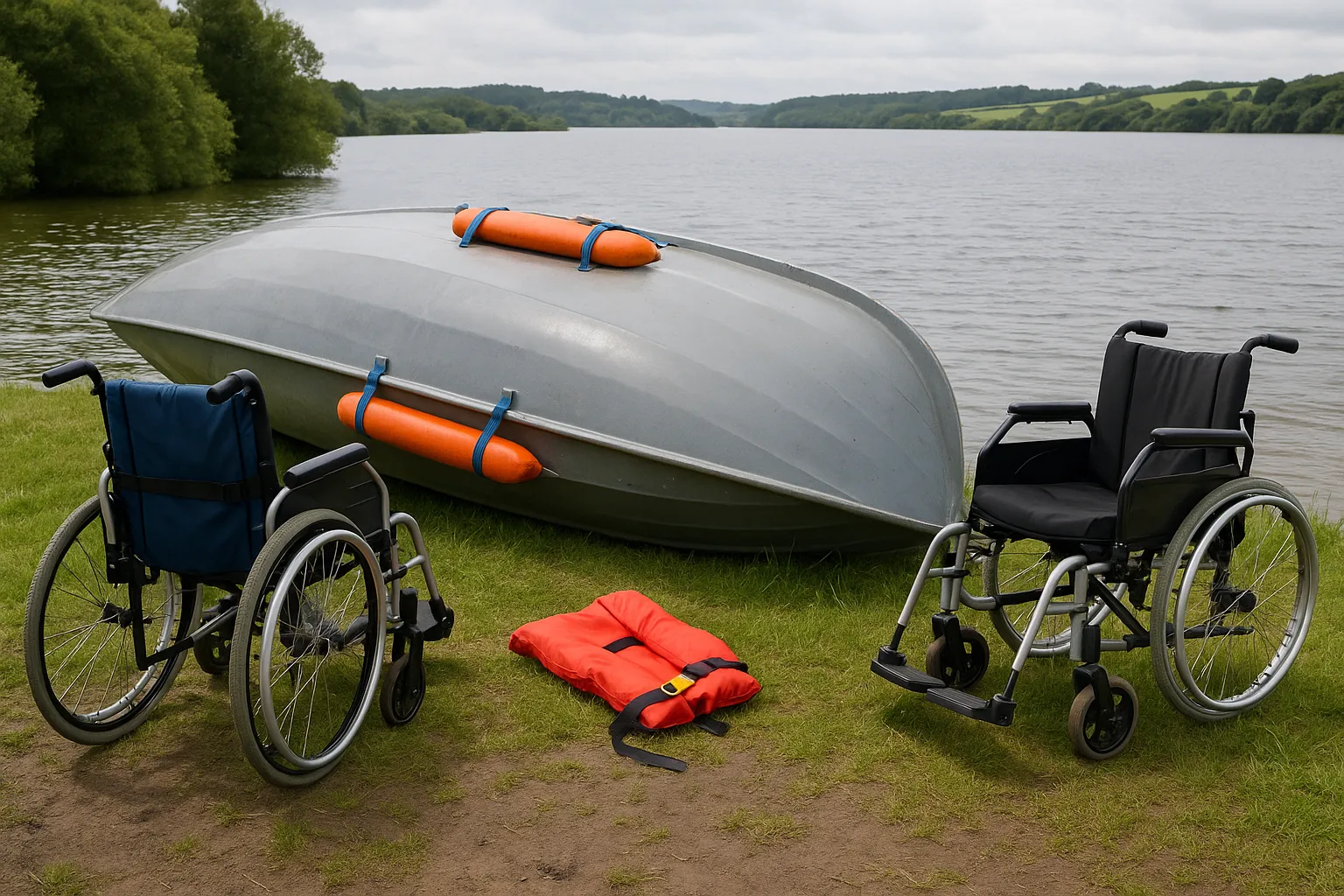
A care home manager has pleaded guilty to three charges concerning health and social care standards following a tragic incident in which two individuals in wheelchairs drowned during a day trip to a lake in Devon. The victims, identified as 43-year-old Alex Wood and 63-year-old Alison Tilsley, lost their lives when the wheelchair-accessible boat they were aboard capsized at Roadford Lake, situated near Okehampton, on 8 June 2022.
During proceedings at Exeter Magistrates’ Court on Monday, it was revealed that a third resident, Kate Dart, was also involved in the incident. Dart was rescued from the water but sustained significant injuries. Janice Sowden, aged 60 and the manager of Borough View care home located in Halwill Junction, Beaworthy, admitted to three counts of failing to provide safe care and treatment for the residents, which ultimately led to avoidable harm.
District Judge Stuart Smith described the incident as “devastating, harrowing and absolutely tragic.” He emphasized the vulnerability of the victims, who were residents of Burdon Grange in Highampton, highlighting their lack of means to escape or be rescued if they fell into the deep waters, which reach depths of 130 feet (39 meters) in certain areas of the lake.
The court learned that the care home had neglected to perform any risk assessments before the trip. Furthermore, the residents were not outfitted with life jackets, relying instead solely on buoyancy aids, which appear inadequate for a situation involving water of such depth. Judge Smith remarked on the care home’s evident complacency regarding risk management, noting an over-reliance on the boat hiring company.
The three victims were part of the second boat trip arranged for that day, accompanied by three members of the care home staff. In previous court appearances, the care home accepted similar charges and was fined £180,000 along with an additional £20,000 for costs. The regulatory agency, the Care Quality Commission (CQC), highlighted that the staff, along with Sowden, failed to assess and manage the risks associated with the boat trip adequately for their vulnerable clients.
The CQC, which prosecuted the charges against Sowden, also pointed out that staff members had not formulated a contingency plan for emergencies, such as a resident falling into the water. Alarmingly, it was revealed that one staff member involved in the trip did not have the ability to swim.
Sowden is set to face sentencing in June. The case has prompted discussions about the responsibilities care homes have in ensuring the safety of their residents during all activities, especially those involving potential hazards such as water.
The emotional toll of this incident extends beyond the immediate tragedy, impacting the families of the victims and raising concerns about oversight and accountability within the health and social care systems. Local community members expressed their shock and grief over the loss, with many individuals calling for stricter regulations in the care sector.
The broader implications of the court’s findings point to substantial gaps in safeguarding practices within care home operations, particularly when involving outdoor activities. Experts in the field of care provision have echoed the need for enhanced training for staff who supervise vulnerable individuals in potentially dangerous situations.
Furthermore, former care professionals have called for a thorough review of the framework governing health and safety standards in the care sector to prevent similar tragedies in the future. They argue that the current regulations may not adequately address the unique challenges posed by activities that involve water or other high-risk environments.
As the community continues to process the ramifications of this devastating event, there is a pressing need for change to ensure that individuals receiving care can participate in activities without fearing for their safety. Local advocacy groups have begun to organise meetings, aiming to address these issues and support the families affected.
In light of this incident, the Care Quality Commission reiterated its commitment to holding care providers accountable for the safety and well-being of their service users. The CQC’s involvement in this case reflects ongoing efforts to strengthen regulatory oversight and ensure that care homes operate with the highest standards of care and safety.
As the sentencing date approaches, the focus will likely remain on the implications of this case for the care sector as a whole, as stakeholders seek to learn from this tragedy to bolster protections for vulnerable populations in their care.
Our Thoughts
The tragic incident at Roadford Lake could have been avoided with proper adherence to UK health and safety legislation, specifically the Health and Safety at Work Act 1974 and the Management of Health and Safety at Work Regulations 1999. Key failures included the absence of risk assessments, which are crucial for identifying potential hazards and implementing adequate safety measures. The care home did not ensure that service users were provided with appropriate safety equipment, such as life jackets, which significantly increased the risk during the boat trip.
Additionally, there was a lack of planning for emergencies, as staff did not consider the potential need for rescue if individuals entered the water, particularly since one staff member could not swim. This indicates a complacent approach to risk management. Training for staff in emergency response, alongside routine safety drills, could have mitigated risks effectively.
To prevent similar incidents, care homes must enforce strict compliance with health and safety regulations, conduct thorough risk assessments for outings, and ensure staff are adequately trained in both safety protocols and emergency situations to safeguard vulnerable individuals in their care.