







Story Highlight
– ASDA recalled toy due to asbestos contamination risk.
– Product sold between August 2021 and May 2026.
– Customers advised to stop using and return toys.
– Asbestos banned in UK; poses significant health risks.
– Recent recalls involve nearly 130 sand toy products.
Full Story
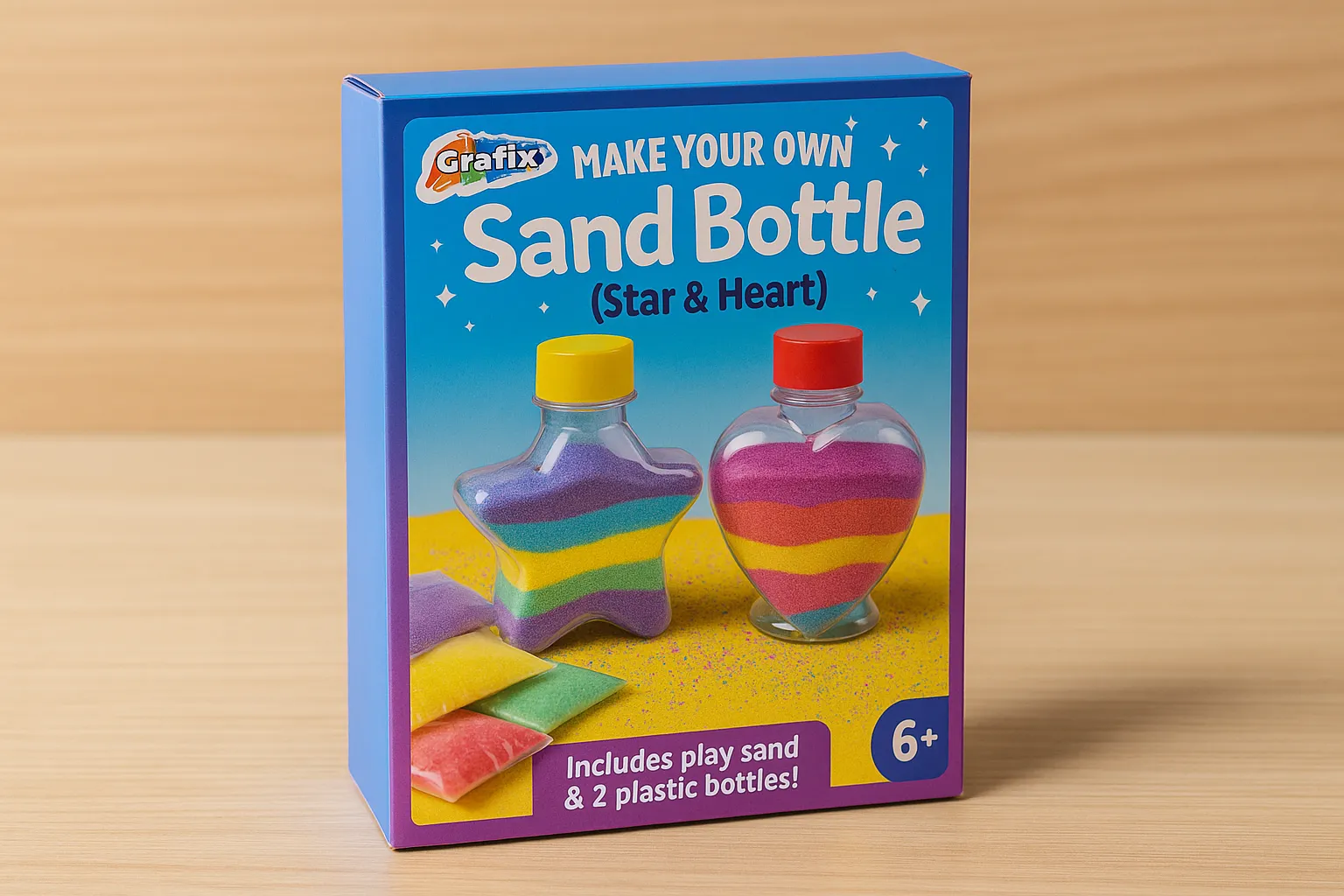
A recent product recall has raised concerns among UK shoppers after a children’s toy was found to contain asbestos, a substance linked to serious health risks, including cancer. The item in question, the Grafix Make Your Own Sand Bottle (Star & Heart), was sold exclusively in ASDA stores and has been removed from sale due to the potential hazards associated with its use.
The Office for Product Safety & Standards (OPSS) announced the recall on May 18. Investigations revealed that the play sand included in the toy kit may be contaminated with asbestos. This revelation comes as part of a larger pattern, with numerous toys and products recalled in recent weeks due to similar contamination issues.
The affected product, described on the ASDA website as a kit for making colourful sand shapes, was available for purchase from August 2021 until May 2026. Each kit features sand and a plastic bottle shaped like a star or heart, typically packaged in vibrant cardboard. The recall affects products identified by the model number R06-0106/AS and the barcode 5015934717660.
Asbestos, known for its durability and resistance to heat, has been banned in the UK since 1999 due to its harmful health implications. The Health and Safety Executive categorises asbestos as a major health hazard, as exposure can lead to lung diseases and various forms of cancer, even at minimal levels. The OPSS pointed out that the presence of asbestos in the toy violates the Toys (Safety) Regulations 2011, which ensures that children’s products do not contain harmful substances.
In light of these findings, the OPSS has advised anyone in possession of the Grafix toy to cease its use immediately and adhere to specific disposal instructions to mitigate any health risks. The guidelines suggest that if the product is still sealed, it should be placed into a heavy-duty plastic bag, securely sealed, and clearly labeled. If the sand has already been used, it is crucial to clean the area with wet cloths to prevent dust generation, and to take precautions such as wearing gloves and a mask during this process.
Customers can return the item to any ASDA store for a full refund, even in the absence of a purchase receipt. Additional details regarding the recall and return process can be found on the ASDA website.
The recent recall has sparked broader safety concerns, with nearly 130 similar sand toys recalled in recent weeks due to asbestos contamination. The potential dangers posed by these products have led to heightened vigilance from both consumers and regulatory bodies. For instance, two schools were compelled to close their doors last week over worries related to contaminated play sand that could affect children’s health.
Asbestos exposure can occur through various means, including inhalation, ingestion, and skin contact. Given its long-term health effects, public awareness regarding the material has become increasingly paramount. Environmental health experts underscore the importance of informing parents and guardians about such recalls to prevent any health complications that could arise from exposure to toys or products contaminated with asbestos.
Consumers are encouraged to keep informed about product recalls and to report any concerns to the relevant authorities. The situation underscores the need for stringent safety measures, particularly concerning children’s products, to ensure their well-being.
As the scope of the issue continues to unfold, it is essential for shoppers to stay alert and take action if they discover they possess recalled items. Monitoring updates from retailers and health authorities will be vital in safeguarding children’s health from potential hazards associated with contaminated toys.
In summary, the recall of the ASDA toy serves as a reminder of the ongoing challenges that regulatory bodies face in ensuring the safety of consumer products. Continuous vigilance and consumer education play critical roles in preventing potential health risks related to hazardous materials such as asbestos. With more recalls expected in the future, it is crucial for parents and caregivers to remain informed and proactive in their approach to product safety.
Our Thoughts
The incident involving the Grafix Make Your Own Sand Bottle toy highlights significant failures in product safety protocols that could have been mitigated. Firstly, stronger supplier vetting processes should have been implemented by ASDA to ensure all products are free from hazardous substances, in compliance with the Toys (Safety) Regulations 2011, which prohibits the presence of harmful materials such as asbestos.
Conducting thorough safety assessments and regular audits of suppliers could have detected the contamination before the product reached consumers. Additionally, increased transparency and traceability in the supply chain would aid in identifying the source of the asbestos, preventing similar issues.
The Health and Safety at Work Act 1974 mandates that any products offered for sale must be safe and pose no health risks, suggesting a breach of this legislation in this case. To prevent future occurrences, the industry should adopt stringent monitoring protocols and training for employees regarding hazardous material detection. Public awareness campaigns on the dangers of asbestos could further assist in safeguarding consumer health, especially among vulnerable groups like children.