














Story Highlight
– 20,980 new melanoma cases recorded in UK for 2022.
– Predictions of 26,500 cases annually by 2040.
– Women diagnosed earlier; men develop melanoma later in life.
– Cancer Research UK emphasizes importance of sun safety.
– Overdiagnosis and increased awareness may influence rising rates.
Full Story
In the UK, the incidence of melanoma, the most lethal form of skin cancer, has reached alarming levels, with over 20,000 diagnoses recorded each year. This marks a significant increase, and the country is now witnessing the highest figures ever documented. As the sun shines over the upcoming bank holiday weekend, Cancer Research UK is urging the public to embrace sun safety practices, including adequate skin coverage and the application of sunscreen.
The charity’s latest statistics indicate that in 2022 alone, there were 20,980 new cases of melanoma identified. Projections suggest that this number could escalate to around 26,500 annually by the year 2040, reflecting a rise of 23% among men and an increase of 26% among women over the same period. Notably, younger women are more frequently diagnosed with melanoma compared to their male counterparts, while men are more likely to face the diagnosis later in life. The uptick in cases among younger women is largely linked to behaviours associated with sunbathing and the use of sunbeds. Conversely, older men are often affected by the cumulative effects of prolonged sun exposure.
Michelle Mitchell, the chief executive of Cancer Research UK, expressed concern regarding the surge in melanoma cases across the nation. “It’s concerning to see the rising number of people being diagnosed with melanoma skin cancer across the UK. The fact that most of these cases are preventable underlines the importance of people taking sun safety seriously,” she stated. Mitchell emphasised the critical need for public vigilance regarding skin changes, urging individuals to contact their GP if they observe any suspicious alterations, such as a new or changing mole, a sore that fails to heal, or any unusual skin areas. Early diagnosis and treatment are crucial, as they can significantly improve outcomes.
Emerging research suggests that the increase in diagnoses may also be attributed to overdiagnosis, whereby cancers that are unlikely to become harmful are being detected more frequently, alongside an improvement in public awareness regarding skin cancer. As the weather warms, Cancer Research UK, in partnership with Nivea Sun, is keen to promote sun safety measures to protect the public.
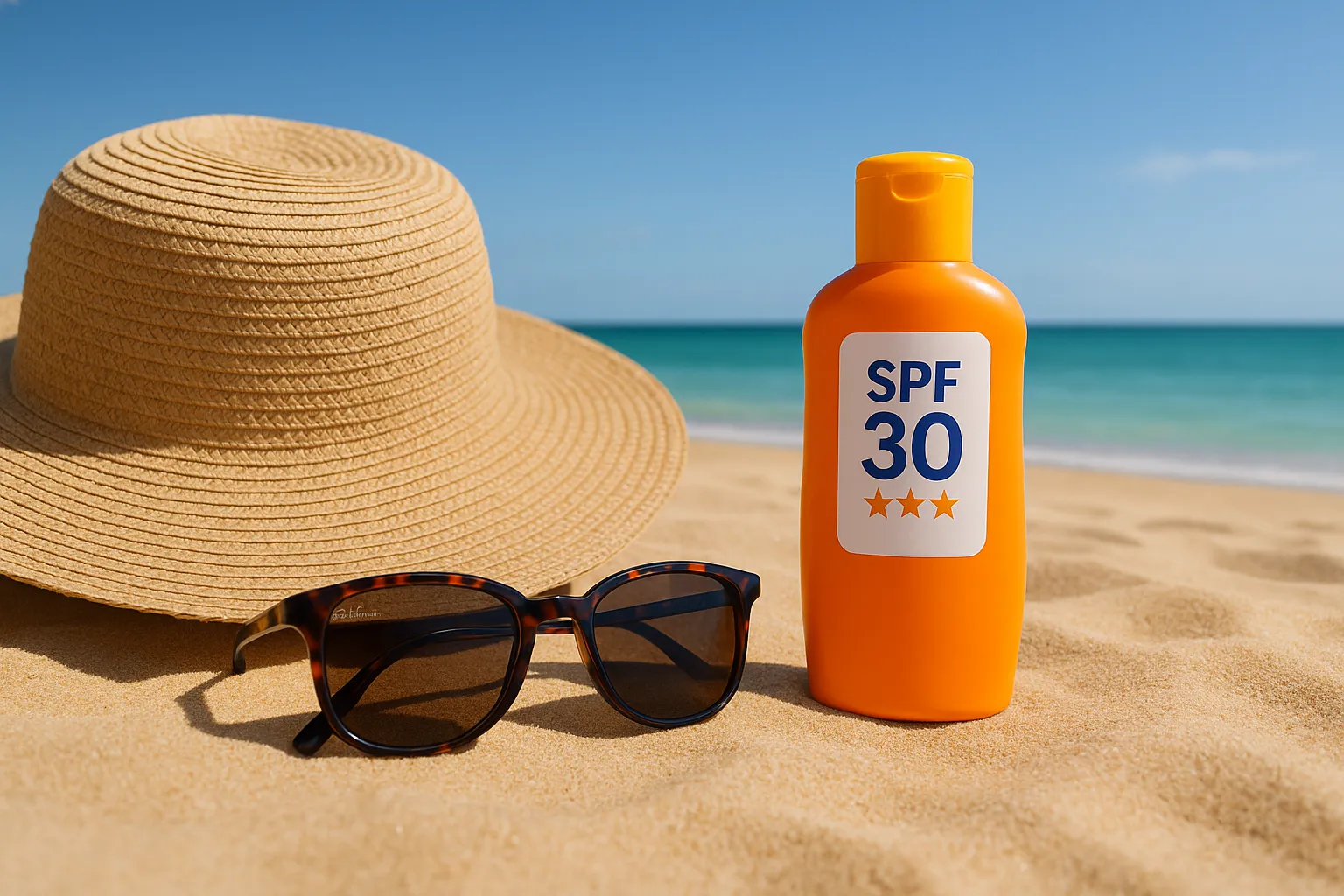
Individuals are advised to seek shade during peak sunlight hours, particularly between 11 am and 3 pm, when UV radiation is at its strongest. Alternatives for shade include trees, umbrellas, or indoor spots. Protective clothing, such as long-sleeved shirts and wide-brimmed hats, alongside UV protection sunglasses, is also recommended. It is vital that clothing covers the shoulders adequately. Regarding sunscreen, experts recommend a broad-spectrum product with a minimum SPF of 30 and four to five stars, highlighting the importance of reapplication after swimming, sweating, or after towel drying.
Fiona Osgun, who heads health information at Cancer Research UK, reinforced the message regarding sunburn: “Sunburn is a clear sign your skin has been damaged. Whether you are enjoying being outside abroad or at home, it’s important to protect yourself from the sun. Sunburn doesn’t only happen when it’s hot – it can happen on cooler or cloudier days too.”
The impact of melanoma is personal for many, including 44-year-old mother Rebecca Dance from Wokingham, Berkshire. Diagnosed with malignant melanoma at the age of 39, Dance discovered a concerning mole on her back and was referred to a hospital by her GP, where the lesion was surgically removed. Reflecting on her experience, she recalled the sheer panic upon learning of her cancer diagnosis. “My whole life flashed in front of me because I just thought ‘oh my God, I’ve got cancer’. I was panicked and upset,” said Dance.
Living as a single parent, the weight of this diagnosis was particularly heavy for her, igniting fears about her future. “I tried to live life as normal as I could between the diagnosis and surgery, but it was weighing on my mind. I had my 40th birthday weeks before the surgery and I remember just breaking down on the night of it,” she recounted.
Dance wishes to dispel the myth that melanoma only affects those who frequent sunbeds or excessively sunbathe, stating, “There’s this perception that skin cancer only happens to people who use sunbeds or sunbathe. But I’m a normal person that’s just got very pale skin and a lot of moles and it happened to me, too. Don’t delay speaking to your GP if you notice any changes – I believe it saved my life.”
As the public prepares for sunny days ahead, the importance of remaining vigilant and proactive regarding skin health cannot be overstated. The rise in melanoma diagnoses highlights the critical nature of sun safety and early intervention, ensuring that more individuals can be protected from this preventable cancer.
Our Thoughts
To mitigate the rising incidence of melanoma skin cancer in the UK, several preventative measures could be emphasized. Firstly, increased public awareness campaigns, particularly targeting high-risk demographics (e.g., young women and older men), should be strengthened. Educational initiatives should focus on the risks associated with sunbathing and sunbed use, promoting safer sun habits such as seeking shade, wearing protective clothing, and applying sufficient sunscreen.
Regulatory frameworks like the Health and Safety at Work Act 1974 and the Management of Health and Safety at Work Regulations 1999 stress the employer’s duty to assess and manage health risks, which could extend to outdoor working environments. Ensuring compliance with these regulations may prevent prolonged exposure to harmful UV rays in occupational settings. Additionally, outdoor events should incorporate safety measures, such as providing shaded areas and access to sunscreen.
Reviewing the implications of overdiagnosis in cancer detection, as highlighted in the article, may encourage more targeted screening initiatives, thereby reducing undue anxiety and focusing resources effectively. Ultimately, fostering a culture of proactive health monitoring and education on skin cancer risks is essential for preventing further increases in melanoma cases in the UK.