















Story Highlight
– Britain faces record-breaking heatwave this bank holiday.
– UK Health Security Agency issues six-day heat alert.
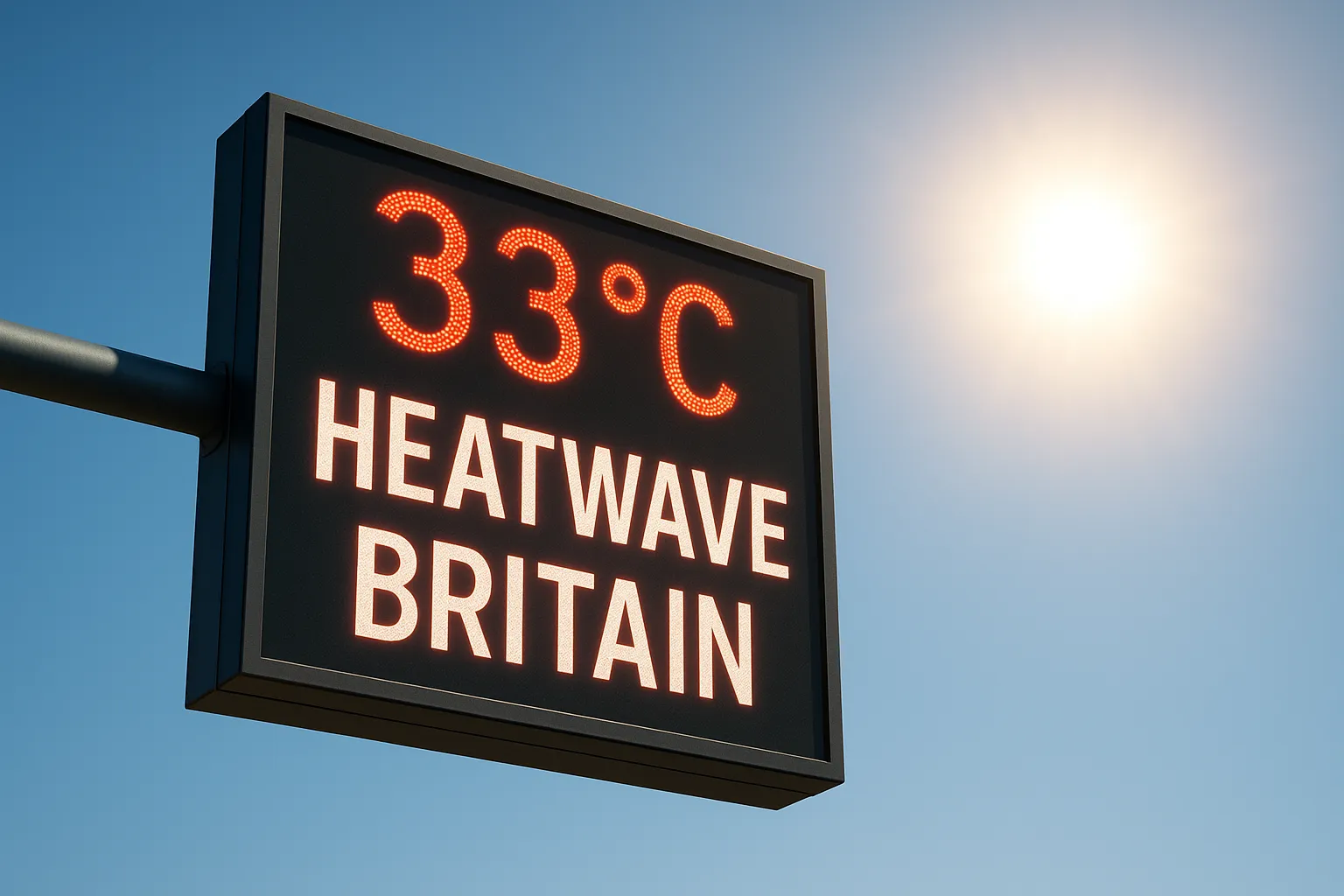
– Temperatures may reach 33C, highest for May bank holiday.
– Health precautions urged for vulnerable populations during heat.
– Busy travel expected with 23 million journeys on Friday.
Full Story
Britain is preparing for an exceptionally warm bank holiday weekend, with predictions suggesting temperatures could reach up to 33°C, potentially marking the hottest May bank holiday in recorded history. The UK Health Security Agency (UKHSA) has issued a six-day heat health alert, which will be in effect from Friday until the following Wednesday, specifically for parts of southern, eastern, and central England.
This alert, the first of its kind in 2026, serves to caution the public about an anticipated increase in healthcare demand, particularly among vulnerable individuals, alongside an elevated risk to their health and safety. As temperatures across the country rise, forecasters are anticipating a sweltering Saturday with highs near 30°C, and by Sunday, they expect even hotter conditions, pushing the mercury to an expected 32°C.
Looking ahead to Monday and Tuesday, the situation is expected to heat up further, with southern England and the Midlands poised to experience peaks of 33°C. This would surpass the previous record for May by a margin of 0.2°C. The capital is also set to experience sustained warm weather, with temperatures likely exceeding 28°C for five consecutive days, marking the region’s highest temperatures of the year thus far.
Friday alone is predicted to become the hottest day recorded in 2026, exceeding the previous year’s high of 26.6°C noted at Kew Gardens in London on April 8. As the weekend unfolds, many Britons are expected to flock to parks and beaches to enjoy the balmy weather, although the warm spell is not anticipated to end with Tuesday’s forecast.
The current surge in temperature is being driven by a high-pressure system sweeping across the UK, which is replacing the grey, overcast skies that have characterised recent weeks with more settled and sunny conditions. However, the cooler regions of western Scotland and Northern Ireland will be less affected, with these areas likely to remain more temperate and cloudy compared to the rest of the country.
Steve Kocher, Deputy Chief Forecaster at the Met Office, shared insights on the expected heatwave, stating, “It is likely that the May and Spring UK temperature records will be broken over the Bank Holiday weekend, with forecast temperatures surpassing the existing record of 32.8°C.” He further noted, “While much of the UK will enjoy dry and sunny weather, there will be more cloud and some isolated showers in Northern Ireland and western Scotland over the weekend.”
The Met Office is advising beachgoers to stay informed about weather forecasts and to be aware that sea temperatures remain notably low, averaging between 9°C and 13°C. The sequence of heatwave conditions is expected to initiate in the southeast of England, followed by regions in the centre and west, along with Wales, catching up later in the week ahead.
Dafydd Beech, the National Community Education Manager at the British Red Cross, emphasised the importance of remaining safe during the heat, advising, “As we come into the summer months, warm weather gives us a chance to get out a bit more and enjoy ourselves. It’s crucial to take care while having fun to avoid dehydration, sunburn, or even heat stroke.” He recommended that people adopt proactive measures, such as applying sunscreen, drinking ample fluids, and ensuring regular breaks from direct sunlight.
In light of the rising temperatures, Alzheimer’s Society has offered specific guidance to assist those caring for individuals living with dementia. Key recommendations include keeping water easily accessible, using clear or brightly coloured cups, encouraging shared drinks, and promoting high-water-content foods to prevent dehydration.
Aggravating matters, the British Heart Foundation expressed concern for heart patients, advising additional precautions to mitigate health risks during the hot weather. Ruth Goss, a senior cardiac nurse at the foundation, advised, “In hot weather, check on your friends and relatives regularly to ensure they are cool and comfortable. Staying hydrated is the most critical way to protect your heart during these high temperatures.”
This surge in warmth is often accompanied by an increase in emergency service activities, including ambulance responses and coastal rescues by the Royal National Lifeboat Institution (RNLI) as individuals experience heat-related issues or face difficulties in water. The AA has forecast a busy road travel period throughout the bank holiday, with Friday projected to be the peak day, witnessing approximately 23.4 million individual journeys.
Holly Clements, head of warnings and guidance at the Met Office, commented on the anticipated outdoor activities, stating, “Warm weather on a bank holiday draws people outside, but the weather at the coast can change quickly. Conditions like tides, waves, and wind can all impact safety at the beach, so it’s vital to stay informed.”
To enhance safety at coastal locations, the RNLI advises beachgoers to choose lifeguarded areas, swim within designated flags, and equip themselves with knowledge concerning emergency protocols. Samantha Hughes, a water safety partner with the RNLI, offered vital tips for water safety, saying, “If you find yourself in difficulty in the water, try to remain calm and remember Float to Live: lean back with your ears submerged, extend your arms and legs, and float until you can control your breathing.”
With the onset of the bathing season last week, the public is encouraged to verify water quality prior to entering lakes, rivers, or coastal waters, given that reports of sewage spills can happen. Tools such as sewagemap.co.uk provide insights on recent water quality alerts at designated swimming sites. Additionally, River Action has warned of potential health risks associated with poor water quality.
Beyond general safety, council leaders have highlighted the importance of looking out for vulnerable populations during the heatwave, such as the elderly and young children, ensuring they receive appropriate guidance and assistance.
Amid these rising temperatures, experts caution that Britain needs to adapt to a future with increased heat extremes, reflecting findings that suggest a potential threefold rise in the risk of extreme heat by 2050. May has so far experienced temperatures below average following a notably cool start to the month.
The ongoing heat health alert will be applicable from 9 am Friday until 5 pm the following Wednesday, impacting regions including the East Midlands, the East of England, London, the West Midlands, and the South East. With road trips being the most common travel intent for the weekend, the AA anticipates heavy congestion, especially around major commercial and recreational hubs.
Our Thoughts
To mitigate the risks associated with extreme heat, attention to UK health and safety legislation is crucial. Employers, particularly in industries where employees work outdoors or in uncooled environments, must comply with the Health and Safety at Work Act 1974, ensuring worker health and safety under varying conditions. They should implement measures such as providing adequate hydration, regular breaks in cool areas, and appropriate personal protective equipment.
Additionally, the Management of Health and Safety at Work Regulations 1999 mandates risk assessments, which should include heat-related hazards, particularly during heatwaves. Communicating heat safety guidance, as emphasized by organizations like the British Red Cross, can reduce health risks for vulnerable populations, such as the elderly or those with pre-existing conditions.
Effective community initiatives can enhance public awareness regarding the risks posed by high temperatures, urging individuals to watch for signs of heat stress and ensuring access to resources, like refreshments. As the frequency of heatwaves increases due to climate change, integrating safety protocols within public health messaging can aid in preventing heat-related incidents and ensuring community resilience against extreme weather events.