












Story Highlight
– Kentucky school district receives $27 million from social media giants.
– Meta settles claims of addictive product design, avoids court.
– UK schools express concerns over social media’s mental health impact.
– Legal challenges in the UK differ from American system.
– British government considers new laws to regulate tech giants.
Full Story
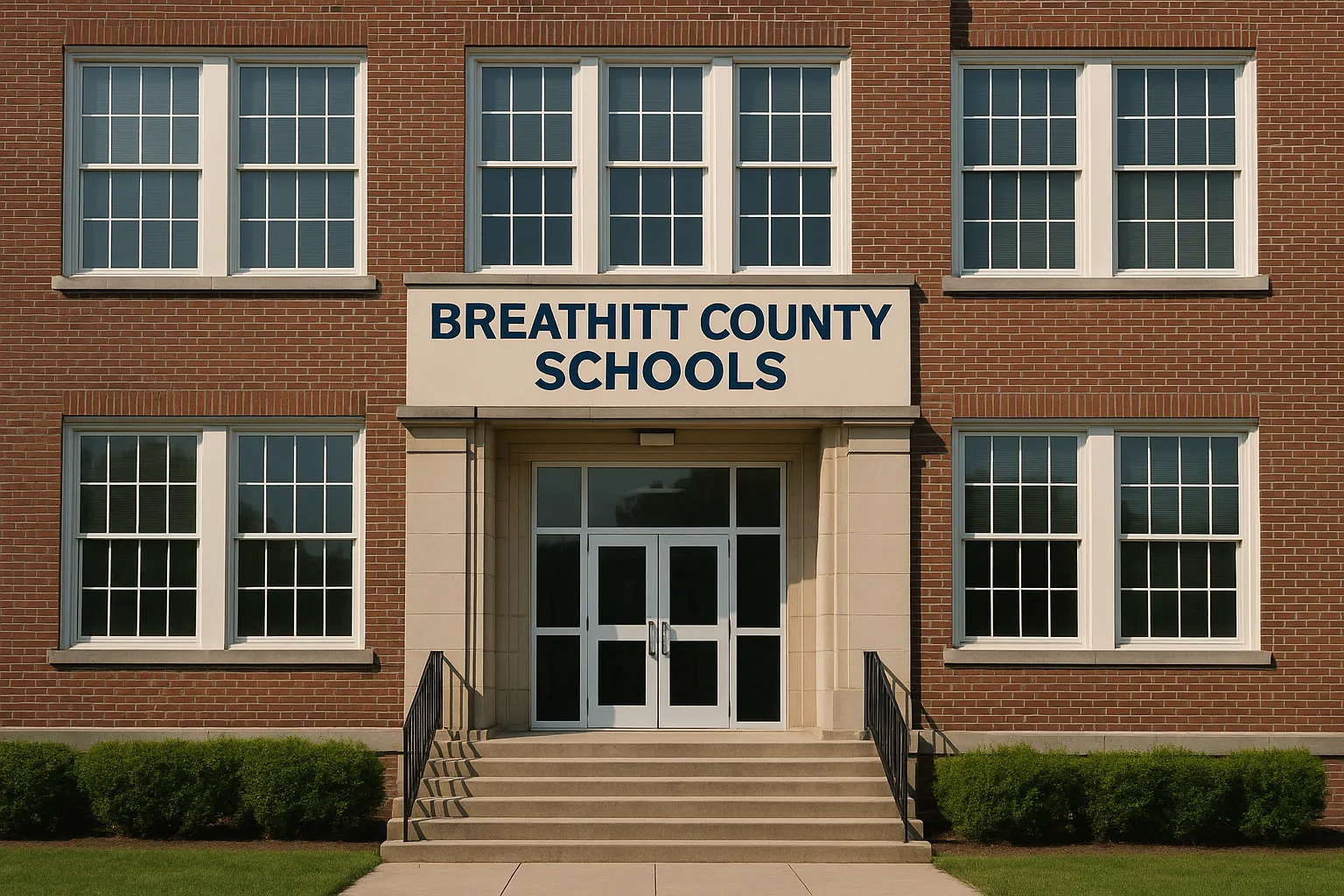
In a landmark development, a small school district in Kentucky has reached a significant settlement of $27 million (approximately £20 million) with a group of prominent social media companies, including Meta, TikTok, Snap, and YouTube. The settlement arises from claims that the platforms have contributed to deteriorating mental health among students, particularly regarding issues such as depression and anxiety.
Meta, which operates popular platforms like Facebook and Instagram, opted to settle the case rather than contest it in a Californian court. The allegations against the company suggest that its social networks were designed with addictiveness in mind, posing a risk to the mental well-being of children and adolescents. Meta’s spokesperson remarked, “We’ve resolved this case amicably and remain focused on our longstanding work to build protections like Teen Accounts, that help teens stay safe online while giving parents simple controls to support their families.”
The Breathitt School District, comprising six schools, argued that the substantial financial sum was necessary to establish and provide enhanced mental health support for its students. The role of social media in negatively affecting young people’s mental health has been increasingly scrutinized, making this case particularly noteworthy. Following this settlement, larger school districts in the United States, such as those in Los Angeles and New York, are reportedly considering similar legal actions in pursuit of even larger compensatory sums.
Recently, the Los Angeles trial highlighted the growing concerns regarding social media’s impact on youth. Meta CEO Mark Zuckerberg provided testimony in this ongoing trial, where the company, alongside YouTube, was ordered to pay $6 million (roughly £4.5 million) to a complainant whose claim included allegations about the addictive nature of their platforms and the lack of adequate safety warnings associated with their use. Though Snap and TikTok were also implicated in that case, they opted for settlements before the trial progressed, further emphasising the growing judicial focus on the responsibilities of tech companies towards their younger audience.
The implications of this American case raise an important question: could similar legal measures take root in the UK? Educators across the country are expressing similar concerns regarding the adverse effects social media has on the mental health of their students. In Sheffield, for instance, Ecclesfield School’s Liz Hunter, who leads the school’s PHSE and RE curriculum, described a range of mental health challenges faced by students, attributing “almost all” of them directly to the influence of social media.
While UK teachers are advocating for measures to address these issues, the path to legal redress appears significantly steeper compared to the United States. The British education system is characterised by central funding and regulations, contrasting sharply with the more decentralized structure in the US that allows for localised lawsuits. Heather Gagen, a legal expert from the London firm Travers Smith, notes that pursuing claims through the British judicial system could present various hurdles.
Gagen explains, “There is a long history of product-related litigation that’s novel, tracking across the Atlantic from the US to the UK. But how those claims actually play out in practice can look very different.” She emphasises that while the potential for claims exists in the UK, the legal landscape operates differently, with judges rather than juries adjudicating compensation awards. As a consequence, levels of compensation are typically lower than those in the US, and the differences in legal costs further complicate the potential for successful claims.
Rather than court action, the UK government appears poised to implement wide-ranging legislation aimed at holding social media firms accountable. The proposed Online Safety Act seeks to impose stringent legal obligations on digital platforms, ensuring they take necessary actions to protect young users from harmful content online. The regulatory body Ofcom would be empowered to impose substantial fines, potentially up to £18 million or 10% of a company’s global annual turnover, for failures to comply with these new directives.
The growing discourse surrounding the responsibilities of big tech firms has drawn parallels to past litigation against the tobacco industry regarding the addictive qualities of smoking and the denial of its health risks. As policymakers in the UK seek to navigate this complex terrain, the essential question remains whether legislation or litigation will ultimately steer industry behaviour when it comes to safeguarding young people in digital spaces.
As the UK grapples with these issues, the actions of the Breathitt School District in Kentucky serve as a poignant illustration of the potential for impact through legal channels, albeit in a very different judicial context. The conversation surrounding mental health and social media continues to evolve, highlighting the urgent need for comprehensive solutions to protect the well-being of youth in an increasingly connected world.
Our Thoughts
The article highlights concerns over social media’s impact on young people’s mental health in the UK, echoing actions taken by a school district in the US against social media giants. To prevent similar issues, UK schools could implement a proactive approach to monitor and regulate social media usage among students, aligning with Section 2 of the Health and Safety at Work Act 1974, which mandates employers to ensure the health and safety of their employees, including students.
Key safety lessons include promoting digital literacy and mental health resources within schools, which could mitigate the psychological effects that come from social media. Schools, as duty holders, should also carry out thorough risk assessments related to online activities, as outlined in the Management of Health and Safety at Work Regulations 1999.
The relevant breach of regulations pertains to the lack of adequate protections for students online. The forthcoming Online Safety Act will impose greater responsibilities on social media platforms to safeguard young users. By strengthening these regulations and ensuring compliance, the potential for mental health issues stemming from social media could be reduced. Regular training and awareness programs for staff could further enhance the support network for vulnerable students.