
















Story Highlight
– Dog owners urged to protect pets during heatwave.
– UK records hottest day at 36.4C in Somerset.
– Avoid walking dogs on hot pavements.
– Provide shaded areas and cold water for pets.
– Watch for signs of overheating and paw damage.
Full Story
Dog owners across the UK are being advised to exercise caution as a significant heatwave bears down on the nation. With temperatures reaching unprecedented levels, the welfare of pets, particularly dogs, has become a pressing concern. According to the Met Office, the country experienced its highest recorded temperature on Thursday, June 25, soaring to an astonishing 36.4°C in Yeovilton, Somerset.
In response to these extreme weather conditions, animal welfare organisations are raising awareness about the dangers of walking dogs during peak heat hours. Experts remind pet owners that the hot pavement can pose serious risks to dogs’ paws. Recent research from Calculator Academy indicates that ground temperatures can escalate dramatically, with pavement surfaces potentially reaching around 57.78°C when the air temperature is 35°C. Such conditions can lead to painful injuries for dogs, prompting calls for owners to rethink their walking routines during these high temperatures.
The Royal Society for the Prevention of Cruelty to Animals (RSPCA) has emphasised that dogs have limited means to regulate their body temperature. Unlike humans, who can sweat to cool down, dogs primarily rely on panting and lose heat through their paws. This makes them particularly susceptible to heat-related ailments, including heatstroke, under extreme temperature conditions.
To mitigate these risks, the RSPCA recommends that dog owners plan walks either early in the morning or late in the evening when temperatures are cooler. They advise against walking dogs on hot pavements and stress the importance of checking the ground temperature before taking pets outside. If the pavement is too hot to comfortably touch for five seconds, it is considered unsafe for dogs.
In addition to adjusting walk schedules, the RSPCA urges pet owners to look out for signs that their dogs might be suffering from heat stress. Indicators include limping, reluctance to walk, and excessive licking or chewing of their paws. These symptoms can signal that the hot surfaces are inflicting pain or injury. More severe signs can manifest as blistering, reddening of the paws, or even missing patches of the dogs’ paw pads.
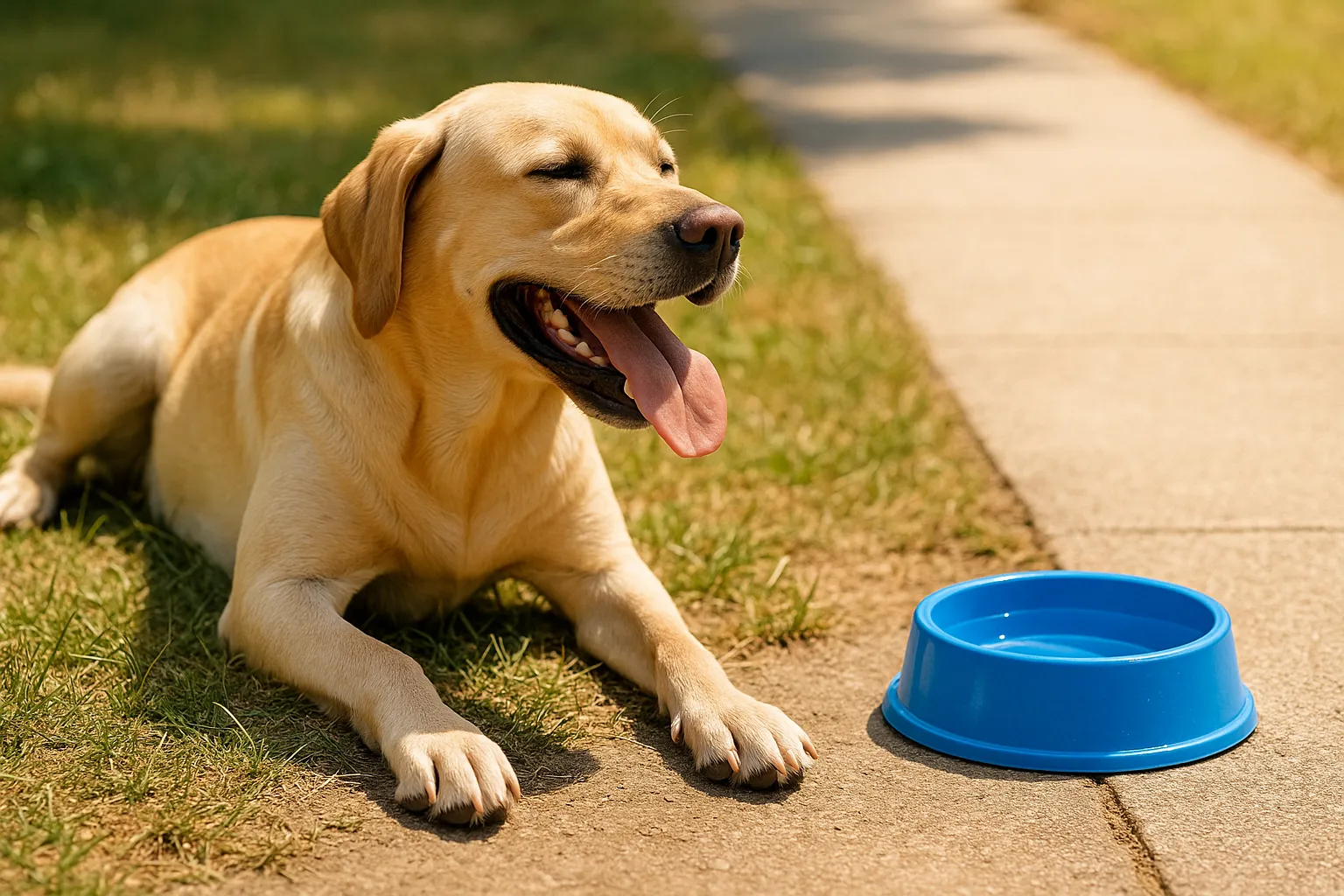
Moreover, it is essential for dogs to stay hydrated during these warm spells. Owners should ensure that fresh, cold water is always accessible to their pets. Providing shaded areas for dogs to relax and cool off is equally important, as it helps prevent overheating and allows them to recover from the heat.
Veterinary experts caution that dogs can suffer grave consequences if left unmonitored during hot weather. Heatstroke is a severe condition that can arise swiftly; symptoms may include excessive panting, lethargy, distressed behaviour, and in extreme cases, loss of consciousness. Immediate veterinary attention is crucial for any dog showing signs of heatstroke.
Local veterinary practices are also preparing for an influx of animals needing assistance as temperatures remain high. Many veterinary professionals are advising pet owners on preventative measures, such as providing cooling mats, special water bowls designed to keep water cool longer, and selecting indoor play options to reduce outdoor activity.
During the warm weather, community resources, including parks and church halls, are being utilised to host information sessions about pet safety in extreme weather conditions. These sessions aim to educate pet owners about responsible care during the summer months and to promote awareness of the risks associated with overheating pets.
As temperatures across the country remain elevated, local authorities have been mobilising community support to ensure that pet owners are informed. Animal welfare campaigns are being promoted on social media and through local news outlets to reach as many people as possible. These initiatives underline the shared responsibility of the community in safeguarding vulnerable animals.
Furthermore, pet owners who work or spend significant amounts of time away from their homes are being urged to consider the impact of heat on their dogs. Alternatives such as pet sitters or doggy daycare services are being suggested to ensure that pets do not suffer alone during peak temperature hours.
The rising temperatures present challenges not only for pet owners but also for local wildlife. Conservationists are reminding people that birds and other animals may also struggle in the heat, urging communities to provide water sources for local wildlife, such as placing shallow dishes of water in gardens and public spaces.
In summary, as the UK continues to experience a heatwave, dog owners must remain vigilant and proactive in ensuring the wellbeing of their pets. By adjusting walk schedules, monitoring for signs of distress, providing ample hydration and sheltered areas, and being educated about heat safety, owners can help protect their four-legged companions from the potentially harmful effects of soaring temperatures.
Our Thoughts
To mitigate risks during extreme heat conditions for pet dogs, several safety measures could have been implemented. Firstly, clearer public guidance on pet care during heatwaves should be communicated to ensure owners understand the risks associated with hot pavements and the necessity of adjusting walking schedules.
Although this article does not directly reference breaches of UK health and safety legislation, it highlights the importance of adherence to the Animal Welfare Act 2006, which obliges owners to ensure the welfare of their pets. This includes taking appropriate measures to prevent harm, such as refraining from walking dogs during extreme heat.
Key safety lessons include the need for proactive education about heat risks, the importance of providing adequate hydration and shade, and the recommendation to walk pets early in the morning or later in the evening to avoid excess heat exposure. Implementing regular public awareness campaigns about pet safety in extreme weather could significantly reduce the incidence of heat-related health issues in dogs during heatwaves.