











Story Highlight
– UK councils alert on safety of squishy dumpling toys.
– Counterfeit toys lack safety standards, pose health risks.
– Chemicals detected include formaldehyde and phthalates.
– Microwaving toys can cause burns and toxic fumes.
– Parents urged to buy from reputable retailers only.
Full Story
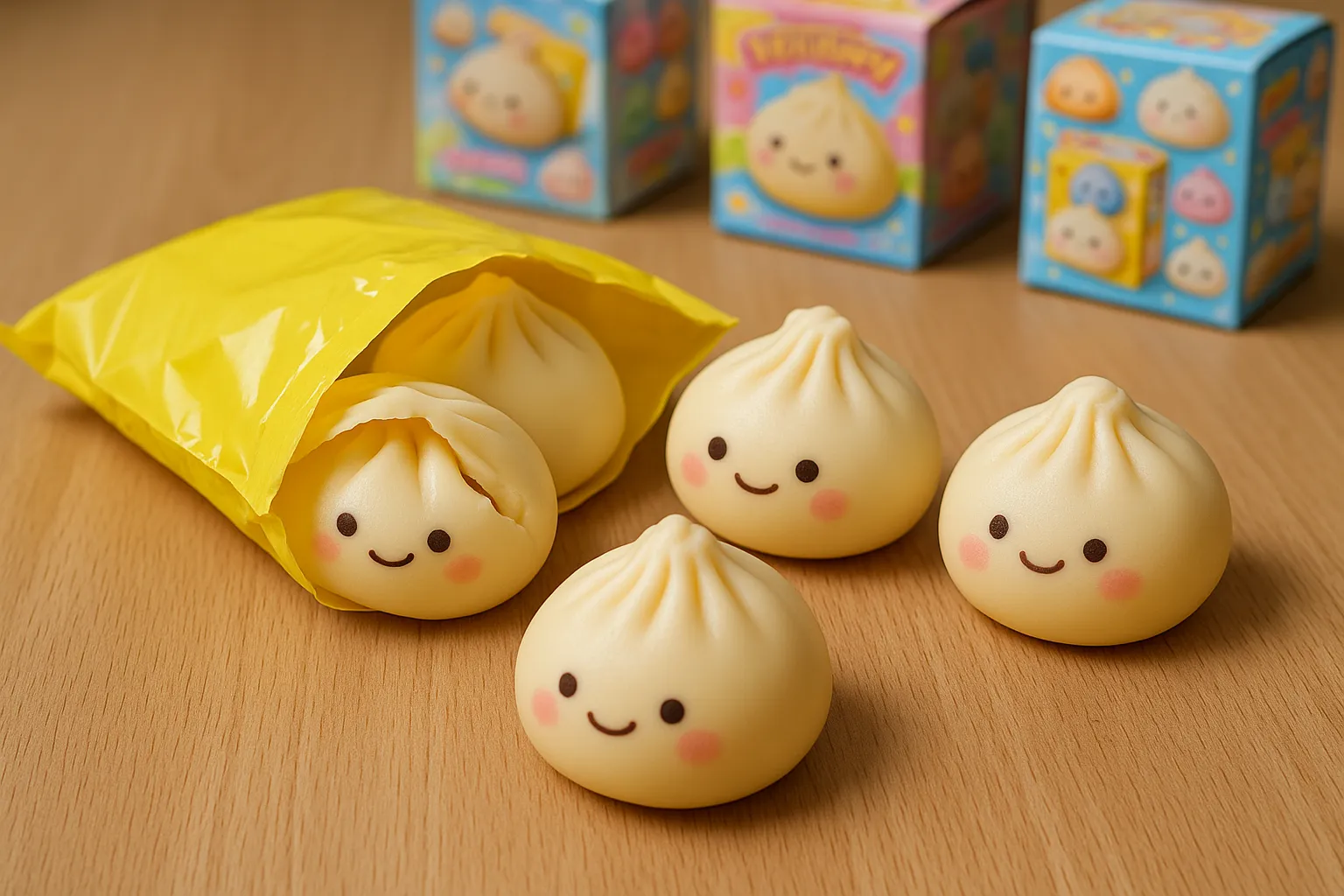
Numerous local authorities throughout the United Kingdom have issued public warnings concerning the safety of popular squishy dumpling toys, which have surged in popularity, largely influenced by unboxing videos proliferating on social media platforms like TikTok and YouTube. These soft, collectible items, often sold in ‘blind boxes’, have attracted both children and collectors, but this rising demand has led to an influx of counterfeit products that may not conform to established health and safety standards.
Trading Standards officers have raised alarms after discovering counterfeit squishy dumplings that emit overpowering chemical smells, lack proper safety documentation, and show signs of inadequate labelling. They urge consumers to remain vigilant to avoid toys that present strong odours, leak suspicious fluids, or appear inexplicably cheap. These counterfeits frequently lack critical safety certifications such as CE or UKCA marks.
The squishy dumpling craze has become a notable phenomenon, combining the thrill of unboxing with the calming, sensory experience associated with fidget toys. These appealing items, produced by RMS, command considerable attention from young collectors eager to uncover the variety of characters hidden within each mystery box. However, along with their whimsical appeal, serious safety issues have emerged due to the proliferation of unauthorized replicas.
Concerns have been validated by reports detailing the illicit manufacture of these toys, which may contain hazardous chemicals and do not comply with UK safety regulations. Trading Standards representatives are advocating that consumers source these products exclusively from reputable retailers and ensure that they display the requisite safety certifications.
Market demand has been significantly bolstered by social media influencers and unboxing enthusiasts who showcase the excitement of discovering individual dumpling designs. The toys have captivated a wide audience with their soft and squeezable nature, alongside the thrill of locating different variations.
However, counterfeit versions continue to pose significant health dangers. Several have been found to contain dangerous substances that exceed permissible limits while others are poorly constructed, posing potential choking risks. Amidst this trend, a troubling practice has also been reported wherein users microwave these toys to enhance their texture, which can have hazardous implications. This mishandling can cause materials to degrade and release toxic fumes or even lead to burns.
In a significant operation, Glasgow City Council seized nearly 6,000 counterfeit squishy toys from a local warehouse, underscoring the potential dangers these toys pose, including the emission of harmful chemical vapours. In a similar vein, Aberdeen City Council has alerted the public through an official notice, urging parents and retailers to scrutinize for essential legal safety markings.
Swansea Council was among the first to address these concerns following multiple complaints from parents about products emitting strong, petrol-like odours. Subsequent examinations identified the presence of dangerous volatile organic compounds (VOCs). Additionally, several councils in England, including Warrington Borough Council, Trafford Council, Blackburn with Darwen Borough Council, and Stockton-on-Tees Borough Council, have similarly issued warnings aimed at protecting consumers.
Parents and gift shoppers are encouraged to only purchase toys from trusted vendors that are known for adhering to safety regulations. It is imperative for buyers to check for proper safety certifications on the toys, ensuring they prominently display CE or UKCA markings and feature appropriate labels in English. Moreover, consumers should purchase from established manufacturers with a proven track record of prioritising safety.
Concerns regarding these toys have escalated, highlighting various potential hazards associated with the fakes. Key safety issues identified by the councils include:
1. **Toxic Chemicals**: Counterfeit items have tested positive for particularly harmful substances such as formaldehyde, solvents, and phthalates, alongside VOCs like styrene and xylene. Such chemicals can elicit various health issues including nausea, headaches, skin irritations, and respiratory problems.
2. **Choking Hazards and Flammability**: There are reports that many counterfeit toys can easily burst open to leak unknown substances or contain small components that fail to meet UK flammability and physical safety standards.
3. **Microwave Risks**: Authorities strongly advise against the practice of microwaving these toys, as the heating of internal gels may lead to overheating, resulting in potential burns or other injuries.
4. **Missing Safety Markings**: Dangerous versions of the toys often lack crucial safety indicators such as CE or UKCA marks, guidance for age appropriateness, or even valid UK importer information.
This growing crisis surrounding squishy dumpling toys not only calls for rigorous consumer awareness but also amplifies the necessity for stronger regulatory measures to combat the encroachment of counterfeit products in children’s markets. The safety of young consumers must remain paramount, as councils urge thorough checking of toy certifications in the face of a burgeoning unregulated market. Parents and guardians are encouraged to remain vigilant and informed to ensure their children’s playtime is safe and enjoyable.
Our Thoughts
To prevent the safety concerns surrounding squishy dumpling toys, several actions could have been taken. First, increased scrutiny and regulation of manufacturing processes for toys would help ensure compliance with the UK Toy Safety Regulations (EN71), which mandates safety standards for toys sold in the UK. Enhanced monitoring and enforcement by authorities such as Trading Standards could help to crack down on counterfeit products that do not meet safety requirements.
Consumer education is also essential. Providing clear guidance on identifying reputable retailers and the significance of safety markings (CE or UKCA) would empower consumers to make informed decisions.
Furthermore, addressing the trend of microwaving these toys through public awareness campaigns could prevent hazardous situations, as this practice poses risks of burns and releasing harmful fumes.
Regulations breached include the lack of proper labelling and presence of harmful chemicals, as per the Chemical (Hazard Information and Packaging for Supply) Regulations. Implementing stricter controls on counterfeit goods could mitigate risks associated with toxic substances and physical injuries. Overall, cooperation between manufacturers, retailers, and local councils is crucial in ensuring product safety and consumer awareness.