




Story Highlight
– Recall issued for toxic ‘squishy dumpling’ toys.
– Contained four times legal limit of benzene.
– Buy from reputable retailers to avoid counterfeits.
– Check for CE or UKCA safety marks.
– Dispose of toys emitting strong chemical smells.
Full Story
Shoppers in the UK are being advised to exercise caution when purchasing ‘squishy dumpling’ toys, following a concerning recall of a counterfeit product that was found to contain dangerously high levels of a toxic chemical. The Office for Product Safety and Standards (OPSS) announced the recall, which has raised alarms regarding the potential health risks associated with these popular toys.
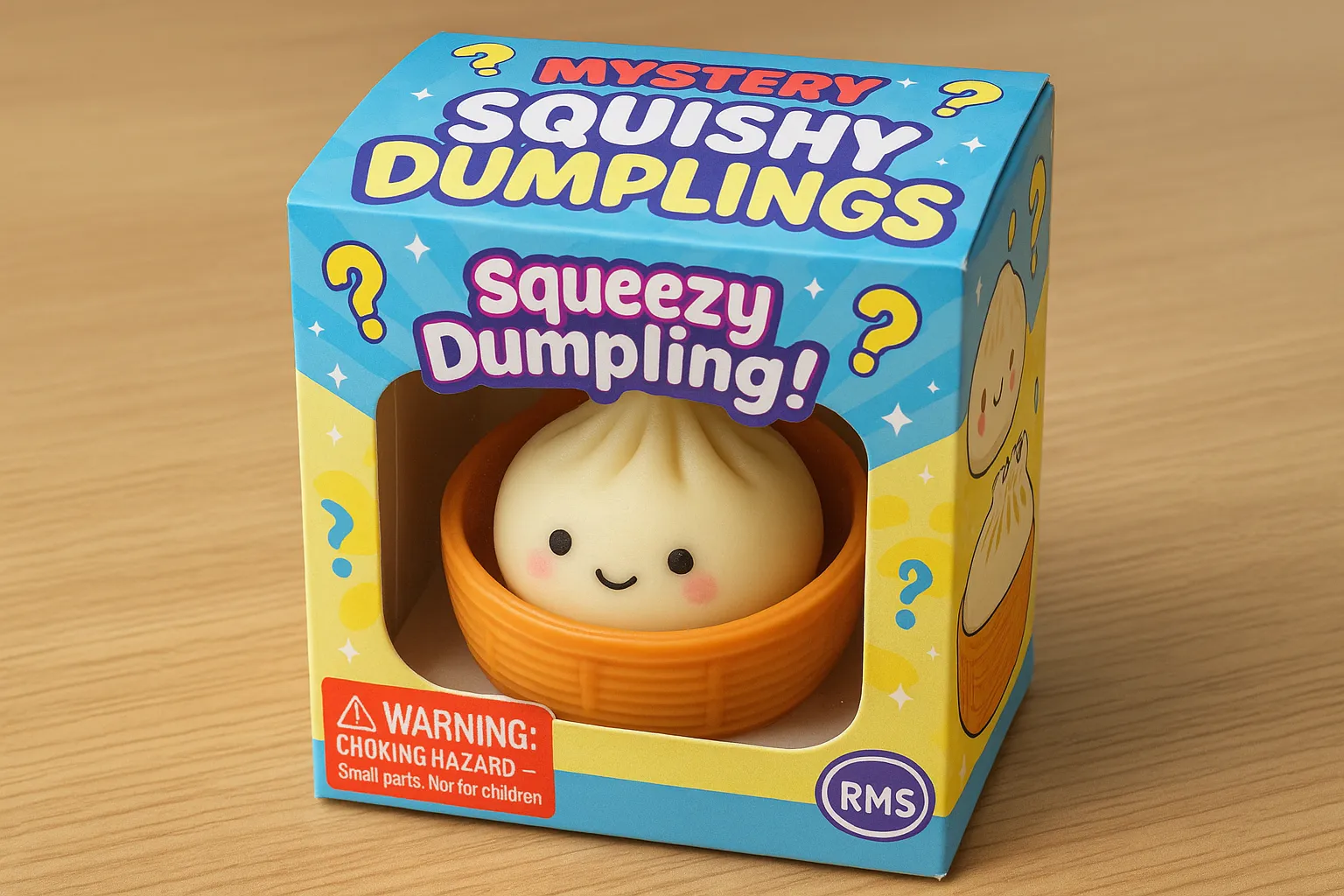
The recalled item was discovered to contain four times the legal limit of benzene, a hazardous chemical known for its harmful effects on health. Sold by Samsons Cash and Carry Ltd, a wholesaler operating out of Cardiff, these Squeezy Dumplings have been implicated in the increasing debate over the safety of squishy toys, which have become a sensation among children across the UK.
Originally, these squishy dumplings were introduced by RMS International, a respected toy manufacturer with a four-decade history in the industry. Designed to delight children, the toys consist of a small, basket-like container that houses a squishy dumpling figure. The growing market for the “Mystery Squishy Dumplings,” which entice young collectors with ultra-rare glitter editions, has led to a surge in demand. Unfortunately, the allure of these products has also attracted counterfeit manufacturers, including those responsible for the recalled items, which contained a staggering 20mg of benzene per kilogram, compared to the maximum allowable limit of 5mg.
Benzene is a clear and colourless liquid with a sweet scent, commonly used in the production of a variety of materials such as plastics, detergents, and solvents. Yet, when encountered in higher concentrations, it poses several health risks. Immediate symptoms can include irritation of the eyes, nose, throat, and digestive tract, as well as skin reactions. More alarmingly, benzene is classified as a carcinogen by the UK Health Security Agency (UKHSA), which links it to several types of cancer, including acute myeloid leukaemia.
The dangers of benzene extend beyond the immediate effects; prolonged exposure can lead to severe health complications, including damage to bone marrow. This damage may disrupt normal blood cell development, resulting in a malignant cell accumulation that may only be diagnosed 5 to 20 years after initial exposure. Given the potential long-term consequences, the OPSS’s move to recall the counterfeit toys is a critical response to safeguard public health.
In light of these events, parents are urged to be vigilant and to consider several essential features when purchasing squishy dumpling toys to avoid falling victim to counterfeit products.
Firstly, it is highly recommended to purchase toys from reputable retailers. Avoiding unfamiliar online sellers or third-party vendors offering products at prices that seem too advantageous is crucial. Such issues often hint at counterfeit goods.
Secondly, checking the product for the name and address of a UK-based importer or manufacturer is vital. This information is significant as it aids enforcement agencies in tracing accountability and in addressing any safety concerns associated with the toy.
Parents should also closely examine the product’s packaging. Genuine toys available in the UK must bear a CE or UKCA mark, indicative of having passed necessary safety assessments. Additionally, shoppers should be mindful of any misspellings or signs that could indicate counterfeit products. For example, the absence of safety warnings or choking hazard labels can be red flags.
Lastly, if a squishy dumpling emits a strong or unusual chemical odour, this could indicate the presence of harmful substances, making it advisable to dispose of the toy immediately.
The importance of these safety measures has been underlined by local authorities. Swansea Trading Standards recently initiated an investigation into these toys after several complaints about a noticeable chemical smell linked to some of the squishy products, further emphasising the need for caution.
Consumer advocacy group Which? has also chimed in on the matter, advising potential buyers to ensure that they are well-informed about the products they intend to purchase. Consumers should always seek clear safety instructions that outline the necessary actions in the event of leaks or punctures, affirming their understanding of the products they bring into their homes.
In conclusion, these developments serve as a reminder of the importance of vigilance when selecting toys, particularly in the ever-evolving landscape of popular children’s products. As toy trends continue to change and adapt, ensuring the safety of children must remain a priority, underscoring the necessity for thorough checks and common-sense precautions. Parents can greatly reduce the risk of exposure to hazardous substances by adhering to these guidelines and remaining informed about the products their children are using.
Our Thoughts
To avoid the recall of the counterfeit squishy toy containing hazardous levels of benzene, stricter enforcement of safety regulations and more rigorous supplier vetting are necessary. The failure to adhere to the Consumer Protection Act 1987, which mandates that products must not pose a danger to health and safety, was evident in this incident. Additionally, the Control of Substances Hazardous to Health (COSHH) Regulations require that exposure to hazardous substances, such as benzene, must be adequately controlled.
Key safety lessons include the importance of sourcing products from reputable retailers and the need for clearer product labeling to help consumers identify compliant products. Retailers should ensure that all products bear the CE or UKCA markings, confirming they have undergone necessary safety assessments.
To prevent similar incidents, ongoing market surveillance and awareness campaigns are crucial to educate consumers on identifying counterfeit products. Regulatory bodies must enhance monitoring of online sales platforms to reduce the entry of dangerous counterfeit toys into the market.