








Story Highlight
– FSA issues “do not eat” warnings for multiple products.
– Contaminated seeds linked to potential E. coli infection.
– Crisps recalled due to undeclared milk and wheat allergens.
– Chocolate products removed for containing undisclosed milk and soy.
– Gü dessert recalled over allergen labeling issues.
Full Story
The Food Standards Agency (FSA) has recently issued multiple advisories cautioning consumers about various food products that pose potential health risks. Retailers, including well-known names such as Tesco, Waitrose, and Home Bargains, have been involved in these alerts, prompting customers to exercise caution with items they may have purchased.
Shoppers who discover that they have bought any of the affected products are strongly advised not to consume them, regardless of their appearance or scent. Instead, they should thoroughly review the recall information available and adhere to the specified instructions, which often include returning the item to the point of purchase for a full refund or safely disposing of it.
In light of these alerts, consumers are urged to inspect their kitchens and check for any products that might be impacted, as several recalls have been enacted recently.
**Recall of Seeds by A.Vogel Ltd.**
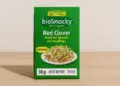
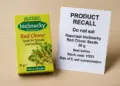
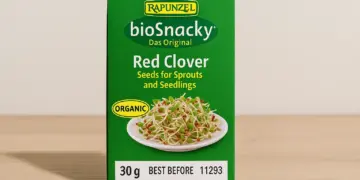
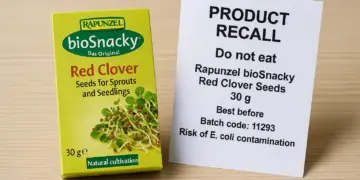
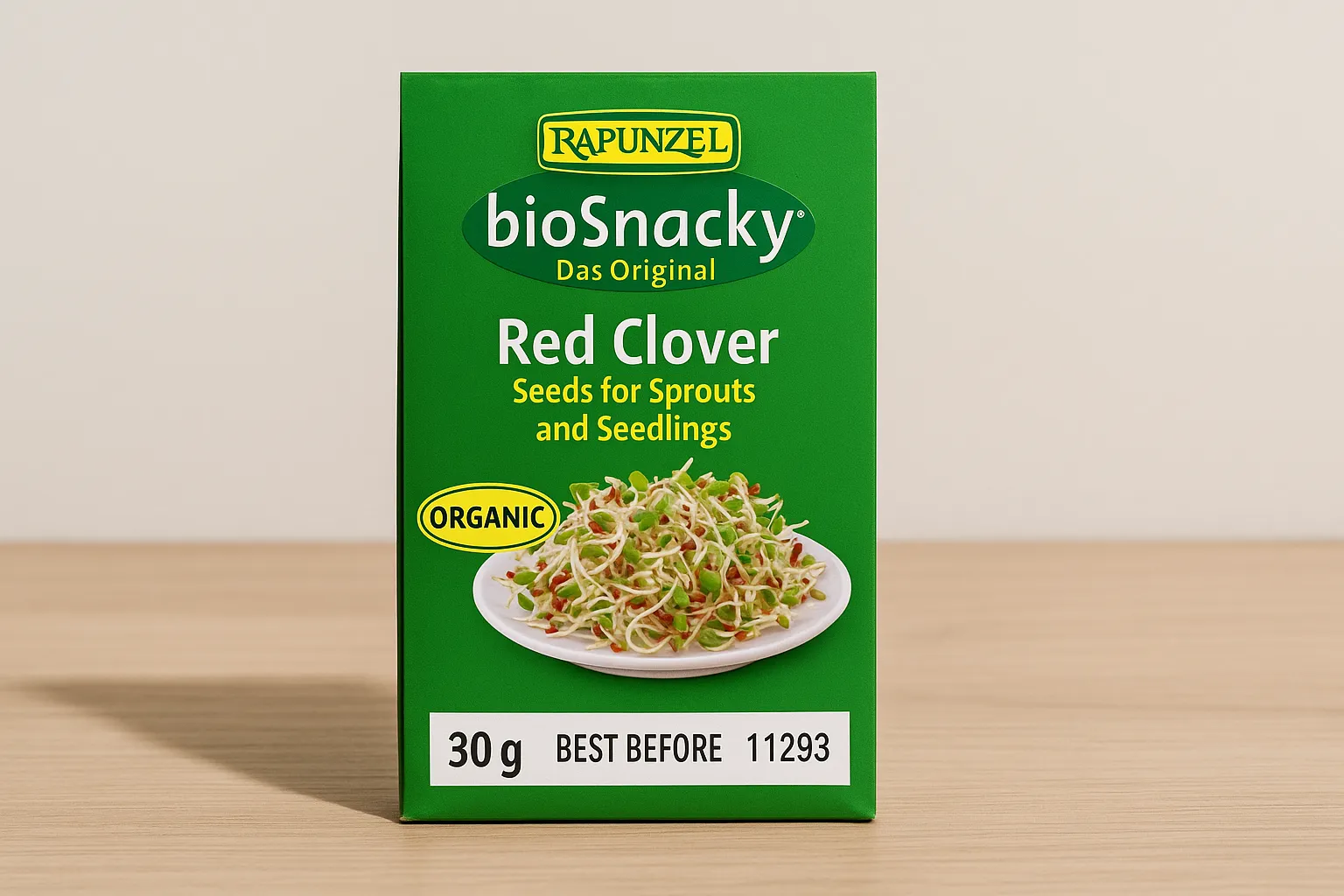
A.Vogel Ltd. has initiated a recall of its Rapunzel bioSnacky Das Original Red Clover Seeds for Sprouts and Seedlings due to contamination concerns related to Shiga toxin-producing E. coli. This strain of E. coli can lead to serious health complications, including severe diarrhoea, abdominal pain, and in severe cases, a life-threatening condition known as haemolytic uremic syndrome (HUS).
The seeds under recall are packaged in 30g bags, marked with a batch code of 11293 and a best before date of December 2028.
An official from the Food Standards Agency stated, “A.Vogel Ltd is recalling the above product. Point of sale notices will be displayed in all retail stores that are selling this product and/or on their website. These notices explain to customers why the product is being recalled and tell them what to do if they have bought the product.”
Consumers who have purchased these seeds are advised, “If you have bought the above product, do not grow it or consume the sprouts or seedlings. Instead, return it to where you bought it from for a full refund.” The statement further notes symptoms associated with this contamination, including severe diarrhoea, calling for individuals experiencing these symptoms to avoid work or school until they have been symptom-free for at least 48 hours to prevent spreading the illness.
In response to these issues, a spokesperson for A.Vogel stated, “We are very sorry for this incident and sincerely apologise. Please be assured that we are doing everything we possibly can to resolve this matter. We hope you will continue to place your trust in us.”
**Health Risks Associated with Crisps at Home Bargains**
The FSA has also flagged a recall involving crisps sold at Home Bargains. ASR Solutions Ltd. is recalling Lay’s Sour Cream & Dill Crisps due to a labelling oversight. The specific issue is that the crisps contain allergens, including milk and gluten, which are not indicated on the packaging.
Packaged in 125g bags, these crisps have best before dates extending up to October 31, 2026. An FSA spokesperson remarked, “ASR Solutions Ltd is recalling the above product from customers and has been advised to contact the relevant allergy support organisations, which will tell their members about the recall.”
Customers who have purchased these crisps should refrain from eating them and return the product to the store for a full refund. They can also reach out to Home Bargains at support@home.bargains for more information. Home Bargains has publicly apologised for the inconvenience caused, reminding customers to check their purchase against the affected dates.
**Chocolate Products Recalled by Bon Bons Wholesale Ltd.**
A range of chocolate items from Bon Bons Wholesale Ltd. has also been recalled in response to potential health risks. The chocolates were withdrawn due to the likelihood of containing undeclared milk and soy ingredients, which pose significant risks for individuals with allergies.
Affected products include a variety of chocolates, and they have been instructed to be removed from sales shelves. The FSA issued a reminder about the possible health risks associated with these ingredients, particularly for those with existing allergies or intolerances.
Examples of the affected items include:
– Medium Coloured Ladybird with best before dates of March 1, 2027, and January 16, 2028
– Small Red Ladybird with best before dates of January 21, 2027, and January 25, 2027
– Large Red Heart with multiple best before dates throughout late 2027
– Mini Butterflies with best before dates extending into September 2027
– Sports Car with a best before date of August 15, 2027
An FSA representative noted, “Bon Bons Wholesale Ltd is recalling the above products from customers and has been advised to contact the relevant allergy support organisations.” Customers should return any impacted products to the store for a full refund, and those seeking further assistance may reach out to the company’s customer service.
**Gü Desserts Pullback for Health Concerns**
In a further warning for consumers, Gü has announced a recall involving its Double Sea Salted Caramel Frozen Dessert, available at Tesco and Waitrose. Health concerns stem from the possibility that the dessert might include undeclared hazelnuts and soya in the ingredients, rendering it hazardous for those with nut or soy allergies.
The product carries the lot number 126135 and has a best before date of June 30, 2027. A representative from the FSA stated, “Gü is recalling the above product from customers and has been advised to contact the relevant allergy support organisations.” The company has reassured customers that the issue is limited to a very small number of units but is taking all necessary precautions.
Shoppers who have these desserts are advised to return them for a full refund without needing a receipt. Those with questions may contact the company at recall@gupuds.com.
**Conclusion**
As product recalls continue to emerge, they serve as a reminder for consumers to stay informed and vigilant regarding their food purchases. The Food Standards Agency routinely disseminates information about such issues, highlighting the importance of food safety. For consumers, adherence to recall instructions is crucial to ensure their health and safety, and they are encouraged to be proactive in checking their food products for potential risks.
Our Thoughts
The series of product recalls highlighted in the article illustrates significant lapses in food safety procedures that could have been mitigated with stricter adherence to UK legislation, particularly the Food Safety Act 1990 and the General Food Law Regulation (EC) No 178/2002.
To prevent the contamination with E. coli and mislabeling issues, companies should implement robust Hazard Analysis and Critical Control Points (HACCP) systems to identify and manage potential food safety hazards throughout their supply chains. Regular testing for pathogens and contamination, alongside stringent quality checks for allergen labeling, could have caught these issues prior to distribution.
Additionally, the recalls suggest potential breaches of the regulations requiring sufficient traceability of food products, as mandated by the EU Food Information Regulation (EU) No 1169/2011, which necessitates clear labeling of allergens.
Key safety lessons include the importance of maintaining transparency in product labeling and the need for continuous training of staff on food safety standards. Similar incidents could be prevented by instituting continuous monitoring and improving communication protocols regarding product safety to promptly address consumer concerns and recalls.