










Story Highlight
– FSA issues “do not eat” warnings for several food products.
– Contaminated seeds recall due to E. coli health risks.
– Crisps recalled for undeclared milk and wheat allergens.
– Chocolate products removed for undetected milk and soya.
– Gü dessert recalled over hidden hazelnuts and soya.
Full Story
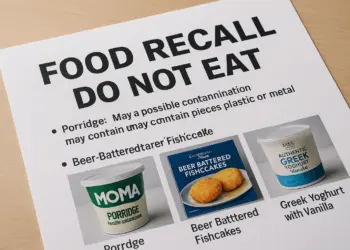
The Food Standards Agency (FSA) has today issued a series of advisories warning consumers to avoid several food products sold by well-known retailers, including Tesco, Waitrose, and Home Bargains, due to significant health risks.
Shoppers are urged not to consume the implicated items, even if they seem to be in normal condition. Instead, any customers who have purchased these products should review the recall details thoroughly and follow recommended guidelines, which typically include returning the items to the retailer for a refund or ensuring their safe disposal.
As numerous recalls have been initiated, it is recommended that consumers conduct a check of their kitchen inventory before consuming any items purchased in recent weeks.
**Recall of Seeds**
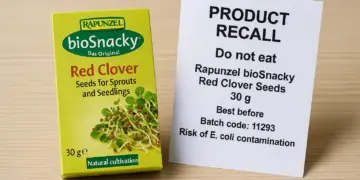
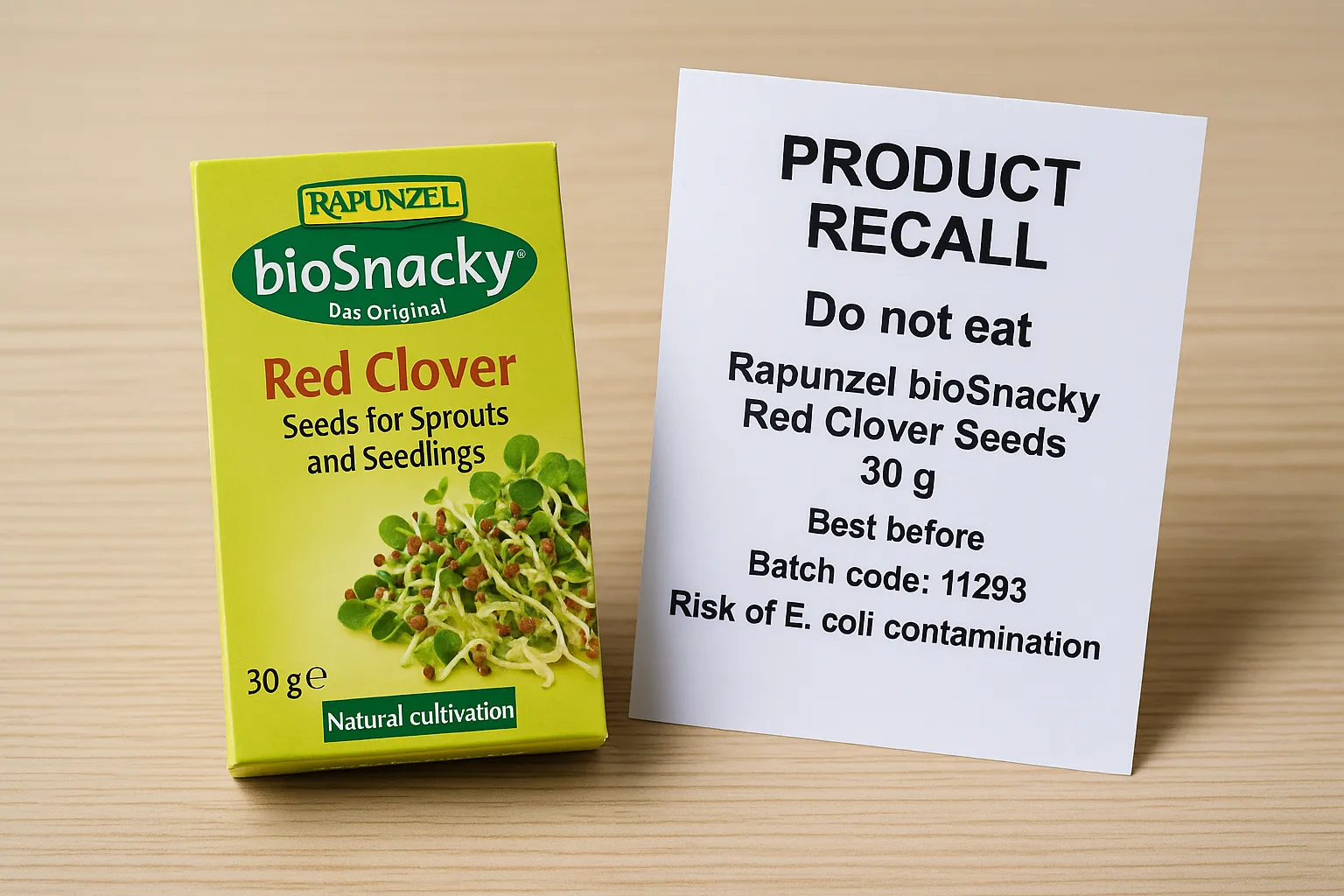
A.Vogel Ltd has issued a recall for its Rapunzel bioSnacky Das Original Red Clover Seeds for Sprouts and Seedlings following contamination concerns involving Shiga toxin-producing E. coli. This strain of E. coli poses serious health risks, with symptoms potentially including severe abdominal pain, bloody diarrhoea, and in extreme cases, the life-threatening haemolytic uremic syndrome (HUS), which can lead to kidney failure.
The seeds, available in 30g packages, have a batch code of 11293 and a best before date of December 2028. A representative from the FSA advised consumers: “A.Vogel Ltd is recalling the above product. Point of sale notices will be displayed in all retail stores that are selling this product and/or on their website. These notices explain to customers why the product is being recalled and what actions to take if they have purchased the product.”
FSA representatives further cautioned consumers: “If you have bought the above product, do not grow it or consume the sprouts or seedlings. Instead, return it to where you bought it for a full refund. Symptoms may include severe abdominal pain and severe diarrhoea. If you experience these symptoms, stay away from work, school or nursery until you have not had symptoms for at least 48 hours to prevent passing it on to others.” A spokesperson for A.Vogel expressed regret regarding the situation, assuring customers that every effort is being made to resolve the issue.
**Home Bargains Crisps Recall**
In a separate recall initiative, crisps sold at Home Bargains have also been flagged for health concerns. ASR Solutions Ltd has announced the recall of Lays Sour Cream & Dill Crisps, due to a labelling oversight that fails to disclose the presence of milk and gluten. This omission poses serious risks for individuals with allergies or intolerances to these ingredients.
The implicated crisps are available in 125g bags and carry best before dates up to and including October 31. An FSA spokesperson stressed the importance of the matter: “ASR Solutions Ltd is recalling the above product and has been advised to inform relevant allergy support organisations of the oversight.” Customers who may have purchased the product are instructed not to consume it but rather to return it to the place of purchase for a full refund.
A representative from Home Bargains commented on the recall, urging customers who may have allergies, sensitivities, or intolerances to milk and wheat to refrain from consuming the product. “If you have bought the Lays Sour Cream & Dill Crisps as detailed above, check your purchase dates. Only these codes are affected. Return any affected product to your local Home Bargains store,” the spokesperson stated, while also expressing apologies for any inconvenience caused.
**Chocolate Recall by Bon Bons Wholesale Ltd**
Further recall actions have also been taken concerning a range of chocolate products sold across England, Scotland, and Wales. Bon Bons Wholesale Ltd has initiated a recall of various chocolate items due to potential health hazards. These products might contain milk and soy, neither of which is specified on the labels, creating a risk for consumers with allergies.
A statement from the FSA detailed: “These products contain milk and soya, making them a possible health risk for anyone with an allergy or intolerance to these components.” Bon Bons Wholesale Ltd has requested retailers to remove the affected items from sale and advised consumers to abstain from eating these products.
The affected products include several designs and sizes of chocolates.
– **Medium Coloured Ladybird** – best before dates of March 1, 2027, and January 16, 2028.
– **Small Red Ladybird** – best before dates of January 21, 2027, and January 25, 2027.
– **Large Red Heart** – best before dates of November 22, 2027, December 23, 2027, and December 26, 2027.
– **Mini Butterflies** – best before dates of March 21, 2027, and September 9, 2027.
– **Sports Car** – best before date of August 15, 2027.
An FSA representative reiterated the importance of consumer awareness: “If you have purchased any of these items and have allergies to milk or soya, do not consume them. Please return them to the store for a full refund.”
Bon Bons Wholesale Ltd has promised to maintain high safety standards and expressed regret over any inconvenience the recall may cause.
**Gü Dessert Recall**
Shoppers at Tesco and Waitrose are being warned about the recall of the Gü Double Sea Salted Caramel Frozen Dessert due to the possible presence of hazelnuts and soya, ingredients not declared on the label. This could present health risks for consumers with nut allergies or soya intolerances. The product is identified by lot number 126135 and has a best before date of June 30, 2027.
The FSA has urged customers who may have purchased this dessert not to consume it, but rather to return it to the point of sale for a full refund, with no receipt required. A spokesperson from Gü confirmed that although the recall involves a limited number of products, the company is taking proactive measures to ensure consumer safety and strengthen their allergen control processes.
**Conclusion**
These recalls highlight the vital role consumers play in ensuring food safety within their own homes. The FSA continues to monitor the situation and encourages individuals to stay informed regarding any recalls that may affect their purchases. For consumers unfamiliar with the recall processes, the FSA provides information on how to manage product withdrawals and recalls, reassuring that they are taking proper precautions to safeguard public health.
Our Thoughts
Several key safety lessons emerge from the recent series of food product recalls. To prevent such incidents, companies must enforce robust hazard analysis and critical control points (HACCP) systems to monitor contamination risks and ensure accurate labeling, particularly concerning allergens. The recalls indicate potential breaches of UK food safety regulations, including the Food Safety Act 1990 and the General Food Law Regulation (EC) 178/2002, which mandate that food products must not be unsafe and must be correctly labeled.
Enhanced training for staff regarding food safety regulations and allergen management could further reduce the likelihood of similar incidences. Regular audits and checks on product labeling before distribution are essential to catch errors that could lead to recalls, specifically for allergen declarations.
Additionally, effective communication strategies for recalls should be established to ensure consumers receive timely information and understand the necessary actions, including safe disposal methods. Implementing these measures could significantly mitigate health risks and enhance consumer trust in food products available in the UK market.