















Story Highlight
– CAA warns against improper packing of electronics.
– Keep mobile phones and power banks in hand luggage.
– Lithium battery incidents now occur twice weekly.
– Awareness of packing dangers remains low among travelers.
– Airlines support CAA’s campaign for safer travel practices.
Full Story
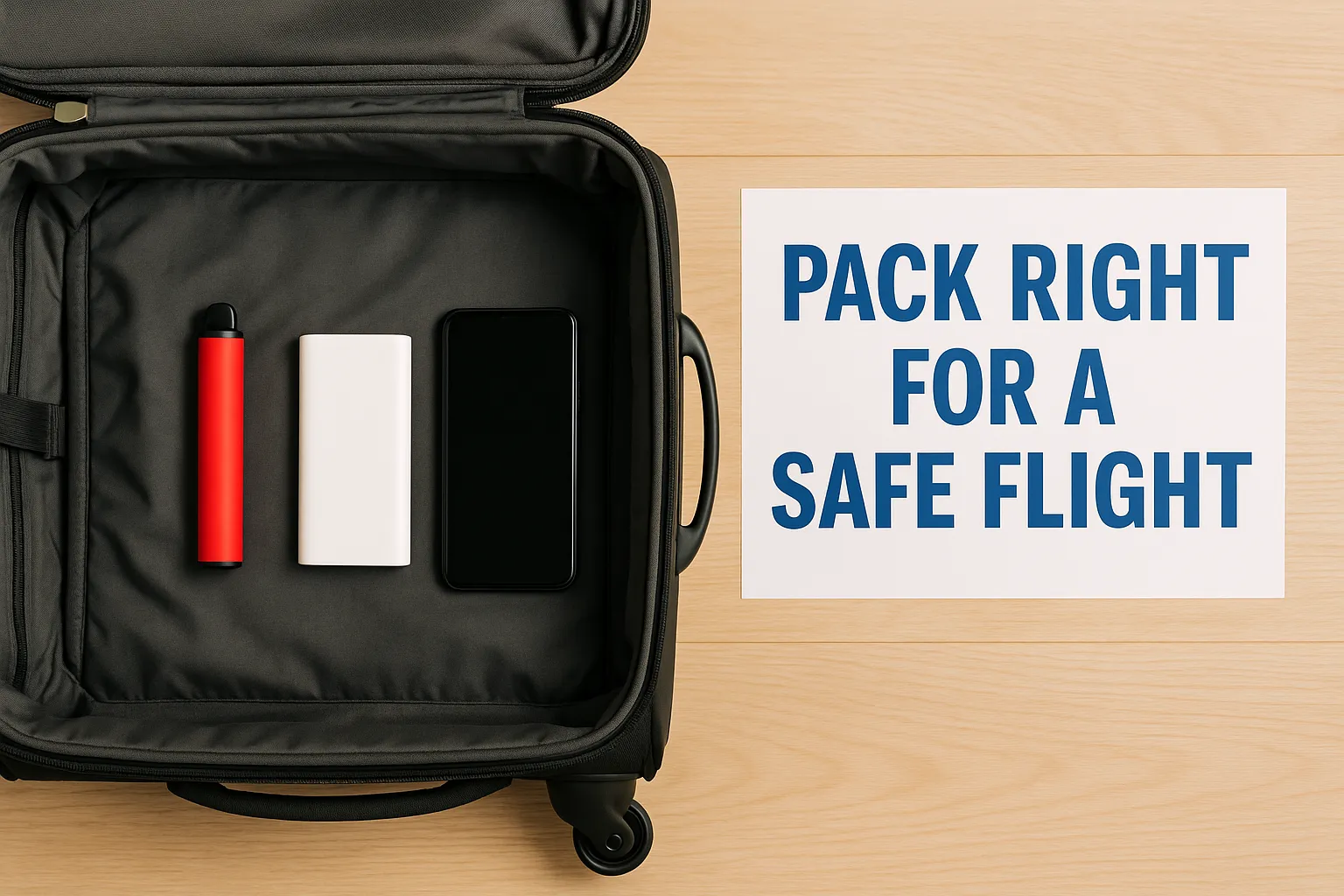
The UK Civil Aviation Authority (CAA) has issued an important reminder to air travellers regarding the safe packing of electronic devices in light of potential fire hazards associated with lithium batteries. As the summer travel season approaches, the CAA’s campaign, “Pack right for a safe flight,” is designed to bolster passenger awareness about the risks involved in improperly storing devices, notably mobile phones, vapourisers, and power banks.
Giancarlo Buono, the Director of Aviation Safety at the CAA, emphasised the paramount safety of air travel. “Flying is by far the safest way to travel and we want to keep it that way,” he stated, urging passengers to ensure they do not pack batteries in checked luggage. “Take them into the cabin with you. This simple tip will make your flight safer for you, and the other passengers you’re flying with.”
The CAA has raised concerns that negligent packing could lead to severe incidents, including in-flight fires that can escalate rapidly to situations that are extremely difficult to manage. Travellers are reminded that while they are permitted to use power banks to charge devices during a flight, the power banks themselves must not be charged while airborne. Additionally, laptops should be completely powered down before being stored in checked baggage.
Statistics from the CAA reveal a troubling trend regarding incidents related to lithium batteries. Reports indicate that occurrences involving overheating or malfunctioning devices surged dramatically, with an astonishing 98% increase between 2024 and 2025. Remarkably, cases concerning lithium battery-powered devices improperly packed in checked bags grew by 91% in 2025 alone. The data suggests that issues related to lithium batteries are now reported at a rate of approximately two per week.
Despite these alarming statistics, passenger awareness remains surprisingly low. A recent survey found that 36% of travellers were unaware of the dangers presented by packing batteries in checked luggage. In comparison, 92% of those surveyed reported carrying a mobile phone, while 55% took along a laptop, and 49% carried a power bank.
The rising prevalence of personal electronic devices has intensified concerns. Today’s travellers typically bring around four lithium-powered devices on board. With flights, such as those on a full Airbus A380, accommodating over 500 passengers, the total number of lithium batteries in the cabin could exceed 2,000. The CAA has officially categorised lithium batteries as the foremost safety risk for aircraft operations.
Passengers should be aware of regulations concerning the number of power banks they may carry; specifically, individuals are prohibited from taking more than two power banks on board. While it can be beneficial to use power banks during flights to recharge devices, they must remain in the cabin and cannot be powered up while airborne.
Among the highest-risk items outlined by the CAA, vapes and power banks are to be stored exclusively in hand luggage. Travellers are encouraged to consult their airline’s guidelines or visit the CAA’s dedicated advice portal for further information. Cabin crew members are also available to assist during flights, providing crucial advice regarding carrying electronic devices.
The campaign has garnered support from various figures and organisations within the aviation industry. Virgin Atlantic, for instance, is backing the CAA’s initiative. Gareth Salt, the company’s vice president for health, safety, and security, highlighted the significance of these guidelines for passengers as the peak summer travel period approaches. “It’s really important that customers know the guidance for lithium battery-powered devices, including power banks and vapes, and pack them correctly,” he urged, adding that Virgin Atlantic is committed to promoting awareness about safety measures that can contribute to safe and enjoyable travel experiences.
Both Airlines UK and AirportsUK have expressed their support for the CAA’s campaign, recognising the growing challenge that electronic device-related incidents pose as the number of such devices increases in passenger baggage. Tim Alderslade, chief executive of Airlines UK, reinforced that while aviation remains the safest form of travel, the rising use of electronic gadgets amplifies lithium battery risks. “The best outcome is always prevention, which starts when passengers pack their bags,” he stated, reiterating the necessity for electronic devices to be stored in hand luggage instead of the aircraft hold.
Karen Dee, the chief executive of AirportsUK, remarked on the collective commitment within the aviation sector to educate passengers about safe battery storage. “Everyone in aviation is working hard to ensure that passengers are aware of the rules around the packing of rechargeable batteries so that we can all fly off on our summer holidays safely,” she said. Through cooperative efforts with the CAA, AirportsUK aims to communicate a clear message: any rechargeable batteries brought by travellers should be kept with them in the cabin.
As airports prepare for an anticipated increase in holidaymakers, passengers are encouraged to reflect on their packing strategies. A moment of consideration before packing bags can significantly contribute to air safety, allowing everyone to enjoy a worry-free travel experience.
In conclusion, as the summer travel season unfolds, the CAA’s campaign serves as a timely reminder of the critical importance of properly packing electronic devices. Awareness and adherence to safety regulations can ensure that each flight is not only enjoyable but also secure for all passengers and crew.
Our Thoughts
To avoid the risks associated with improperly packed lithium batteries, increased passenger education and stricter compliance with packing regulations are essential. The articles highlight a significant awareness gap among passengers regarding the dangers of packing mobile phones, power banks, and vapes in checked baggage.
Key safety lessons include the need for enhanced communication of safety guidelines through pre-travel information from airlines and airport authorities. The CAA’s campaign is a step in the right direction, but ongoing efforts to reinforce these messages are necessary.
Relevant UK health and safety legislation includes the Civil Aviation Act and regulations under the Air Navigation Order, which mandate safe storage practices to mitigate fire risks. Breaching these guidelines has clear safety implications, as indicated by the rising incidents of lithium battery malfunctions.
To prevent future occurrences, airlines and regulatory bodies should ensure comprehensive training for staff and deploy consistent reminders to passengers regarding safe packing practices. Increasing the frequency of safety demonstrations and utilizing digital platforms to disseminate vital information before flights can significantly enhance passenger awareness and safety compliance.