














Story Highlight
– Met Office issues water shock warning, amber heat alert extended.
– Southeast England temperatures expected above 20C overnight.
– Cold water poses health risks despite high air temperatures.
– Lifeguarded beaches recommended; call 999 in emergencies.
– Safety campaign prompted by child’s tragic drowning incident.
Full Story
The Met Office has issued a significant warning regarding water safety as it extends its amber heat alerts into Sunday. This move has been prompted by forecasts indicating that certain areas in southeast England will experience nighttime temperatures that remain above 20 degrees Celsius. The prolonged heat has seen many individuals gravitating towards open water in search of relief from the soaring temperatures.
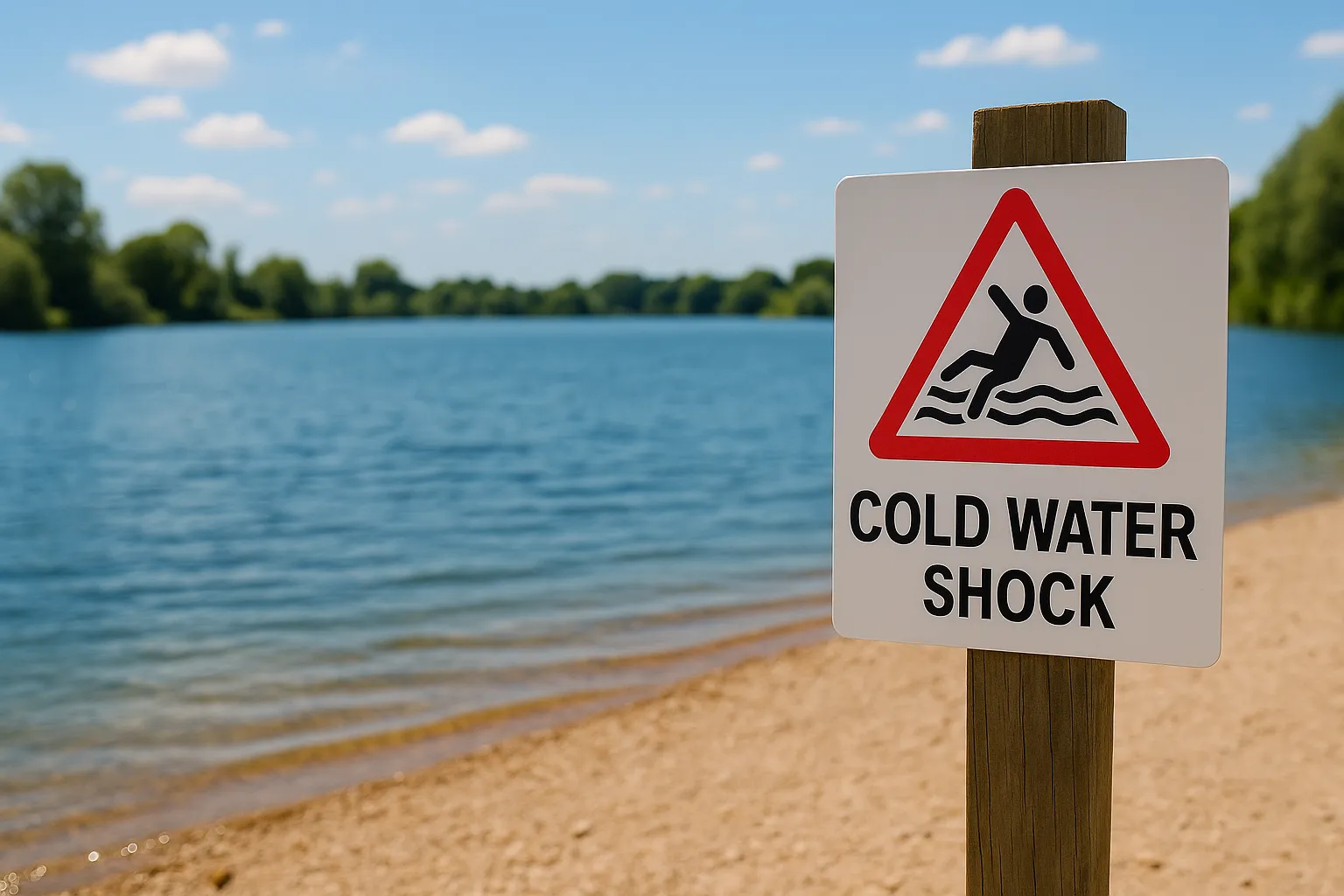
Samantha Hughes, the National Water Safety Partner at the RNLI, has highlighted serious health risks associated with swimming in colder water during this heatwave. Hughes explained to the Met Office that despite the rising air temperatures, water remains significantly chillier. She cautioned that sudden exposure to cold water can lead to cold-water shock, making it not only difficult to swim but also complicating the ability to exit the water safely.
“Entering it unexpectedly can lead to cold water shock, causing a sudden increase in breathing and heart rate, which may trigger panic,” Hughes said. She emphasized the importance of knowing how to respond if one finds themselves struggling in water. “Remember to Float to Live: tilt your head back so your ears are submerged, relax, and control your breathing. You may need to gently use your hands to help you stay afloat, and it’s okay if your legs sink—everyone floats differently.”
Hughes urged swimmers always to choose beaches that are supervised by lifeguards, suggesting that people should swim between the designated red and yellow flags. In the event of a coastal emergency, she encouraged individuals to contact the coastguard by dialling 999.
In support of this safety message, a spokesperson from Cambridgeshire Fire and Rescue Service warned against jumping into open water as temperatures rise. “We urge people to avoid jumping into open water during hot weather. While the air temperature may be high, the water is much colder, and sudden immersion can trigger cold water shock,” they stated.
This water safety campaign has been further underscored by the personal experience of Darren Lloyd, whose son Jack tragically passed away at the age of 16 after entering Crown Lakes in Farcet. Lloyd shared his heartbreaking story to raise awareness and prevent similar tragedies. “It’s incredibly difficult to speak out after losing a child, but we’ve done this to help others and save lives. If you are a young person watching this – you wouldn’t want to put your mum and dad through this,” he stated, highlighting the emotional toll of such incidents.
The UK’s recent weather patterns have led to a series of alerts over the last few days, marking the fourth consecutive day of warnings. After an intense period of red alerts for extreme temperatures, the warnings have now been downgraded to amber. The nation witnessed record-breaking temperatures in June, with Merryfield in Somerset recording a staggering 36.7 degrees Celsius on Thursday—an unprecedented event in the month of June.
As the heatwave continues, the danger of hyperthermia and heat-related illnesses rises, making public education on water safety all the more critical. Local authorities and safety organisations are working tirelessly to ensure that individuals remain informed about the risks associated with swimming in cold water, especially during periods of extreme heat.
Residents are encouraged to remain vigilant and to educate themselves on the signs of cold water shock, which can occur upon entering cold water unexpectedly. Recognising the symptoms and knowing how to react can be lifesaving. Proper awareness of personal limits and understanding swimming conditions can greatly reduce the risk of accidents in and around water.
With the summer season in full swing and more individuals likely to seek respite in lakes, rivers, and the sea, the message from safety organizations is clear: caution is paramount. Authorities are urging locals to consider safer alternatives to swimming in open water where temperatures can pose unseen risks.
The ongoing heatwave is an exceptional occurrence affecting many parts of the UK, and while the warmth invites outdoor activities, it also comes with significant responsibilities regarding personal safety and the safety of others. Community initiatives and continued educational campaigns will play a vital role in ensuring that everyone enjoys the summer safely.
Amidst the joyful scenes of families and friends enjoying the outdoors, the sobering reminder from experts and safety advocates cannot be overstated—never underestimate the challenges posed by cold water, and always seek out safe swimming environments. The collective aim is to ensure that everyone returns home safely after enjoying the sunny weather, without the lamentable consequences that can arise from a split-second decision.
Our Thoughts
To prevent incidents related to cold water shock during heatwaves, several key safety measures should be enforced. Firstly, public awareness campaigns should emphasize the risks of cold water shock and encourage individuals to avoid jumping into open water without proper knowledge of conditions. This aligns with the Health and Safety at Work Act 1974, which mandates employers and public bodies to ensure the safety of individuals in such environments.
Additionally, local authorities could implement better signage and warnings around open water sites, ensuring that information about temperature disparities is clear and visible. This would adhere to the Management of Health and Safety at Work Regulations 1999, which require risk assessments and the mitigation of identified hazards.
Regular safety training sessions for lifeguards and beach patrols can enhance response strategies during peak periods, ensuring immediate assistance is available, thereby reducing risks associated with swimming in cold water.
Finally, establishing stricter regulations around unsupervised access to potentially dangerous water sites, particularly for youth, can further minimize hazards associated with cold water immersion. This could involve reinforcing restrictions on jumping or diving in unmonitored areas, thereby ensuring compliance with existing safety regulations.