
















Story Highlight
– UK faces record breaking temperatures during heatwave.
– Dog walks advised against during extreme heat.
– Pavements can reach dangerous temperatures for dogs’ paws.
– RSPCA recommends morning or evening walks for safety.
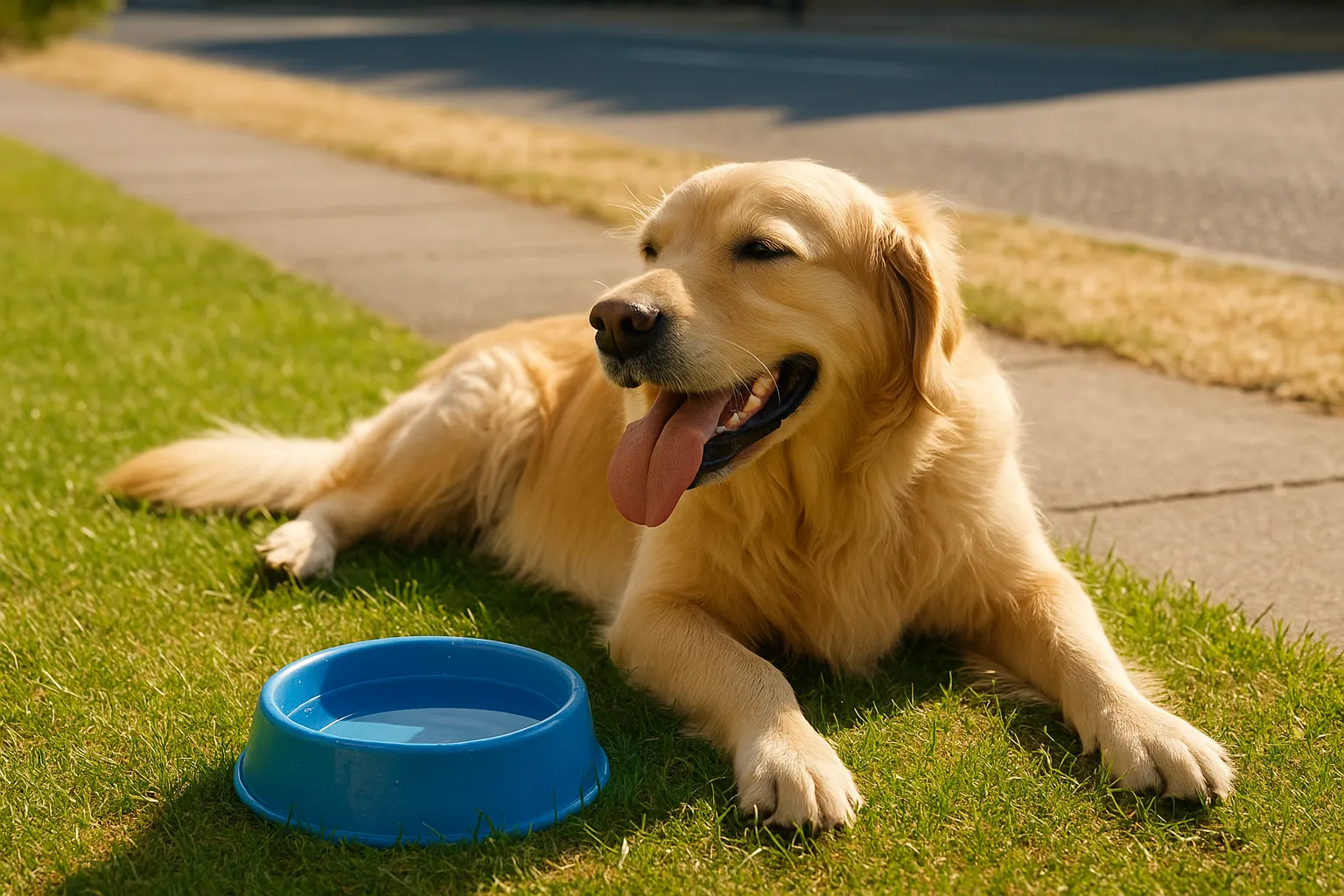
– Ensure fresh water and shaded areas for pets.
Full Story
Pet owners in the UK are being strongly advised to take precautions to keep their dogs safe as oppressive heat conditions persist across the country. With soaring temperatures recorded recently, including a high of 36.4C in Yeovilton, Somerset, on June 25—marking a historic temperature for the UK—the need for vigilance has never been greater.
Animal welfare organisations and experts are highlighting the risks posed to dogs during such intense heat. As soaring temperatures extend throughout the week, there is a growing concern that conventional activities, such as taking dogs for walks, could pose serious dangers to their health.
Recent studies, including estimates from Calculator Academy, indicate that pavement temperatures have the potential to reach a staggering 57.78C when ambient air temperatures hit 35C. This extreme heat can severely injure a dog’s paws. Consequently, experts recommend either rescheduling walks for cooler periods, such as the early morning or late evening, or considering protective gear like dog booties.
The Royal Society for the Prevention of Cruelty to Animals (RSPCA) has issued specific recommendations for dog owners during this hot weather. According to the organisation, dogs primarily regulate their body temperature through panting, as their ability to sweat is extremely limited, only occurring through their paw pads. Given this fact, there is a heightened risk for pets to suffer from heat-related illnesses such as heatstroke when the temperature rises.
The RSPCA further advises pet owners to engage in careful observation of their dogs’ behaviours to determine the pavement’s safety for walking. Long exposure to heated surfaces can lead to burns and other serious injuries. Signs that the pavement may be too hot include pets limping, showing reluctance to walk, or licking and chewing at their feet. Additional warning indicators may manifest as blisters or redness on their paw pads, an abnormal darkening of the pads, or even losing portions of the pads altogether.
In response to the ongoing heatwave, the RSPCA recommends that owners provide ample access to cool, clean water for their pets. Hydration is crucial, especially in hot weather, to help prevent overheating and ensure the wellbeing of pets.
Moreover, it is advised that pet owners create shaded areas in their homes and gardens for dogs to rest comfortably away from the harsh sun. Access to cool environments can significantly mitigate the risks associated with high temperatures. Keeping dogs indoors during the hottest parts of the day is also a sensible approach to safeguarding their health.
Local vets and animal behaviour specialists have echoed the RSPCA’s advice, underscoring the importance of ongoing vigilance during these extreme heat conditions. Dr Sarah Thompson, a veterinary expert, noted, “Heatstroke can develop quickly in dogs, especially in breeds with flat faces such as Bulldogs and Pugs, which are particularly susceptible to heat-related stress.”
She further emphasised the need for dog owners to be mindful of where and when they walk their dogs. “It is crucial to always test the ground temperature, and if it feels too hot to the touch for a few seconds, it’s certainly too hot for your dog,” she added.
The current weather conditions have prompted animal charities and non-profit organisations to launch campaigns aimed at spreading awareness about protecting pets during heatwaves. Educational materials are being circulated which provide pet owners with valuable insights on how to keep their dogs safe, including advice on recognizing the early signs of heat distress.
In addition to hydration and shaded areas, experts are also suggesting creative solutions for active pet owners. For instance, engaging dogs in indoor play or providing cool towels for them to lay on can help ease the discomfort of rising temperatures. Some owners are even employing kiddie pools or sprinklers to allow their pets to enjoy a refreshing splash in the comfort of their gardens while staying cool.
As the heatwave continues, the importance of responsible pet ownership comes to the forefront. Dog owners are reminded to not only be attentive to their pets’ physical needs but also to refrain from any activities that could exacerbate the risks associated with soaring temperatures. As the RSPCA noted, “It is the responsibility of pet owners to ensure their four-legged companions are safe, comfortable, and hydrated throughout these warm spells.”
With ongoing forecasts predicting continued high temperatures in numerous regions, it is essential for pet owners to stay informed and take proactive measures to protect their furry friends. By prioritising their dogs’ wellbeing and adapting daily routines accordingly, owners can ensure their pets remain healthy and safe amid the summer heat.
Our Thoughts
Pet owners must take proactive measures during extreme heat to protect their dogs, highlighting a need for increased awareness and adherence to animal welfare regulations. The primary regulation at play is the Animal Welfare Act 2006, which mandates that owners ensure the welfare of their pets, including protection from excessive heat.
To prevent overheating and paw injuries, owners should be encouraged to postpone walks during peak heat and utilize alternative options, such as providing shaded areas and clean water. Additionally, public awareness campaigns could educate owners about the dangers of hot pavements, advocating for the use of dog booties when necessary.
Key lessons include the need for owners to assess environmental conditions before exploring outdoor activities with pets. Local authorities could implement measures such as providing shaded areas in parks or public education on the risks associated with high temperatures and how to mitigate them.
In summary, reinforcing education on pet care in heat and ensuring compliance with the Animal Welfare Act would significantly help in preventing similar incidents in the future.