















Story Highlight
– Charity registered in 2004.
– Reported serious incident in August last year.
– Investigated for potential patient mistreatment.
– Incident referred to Northamptonshire Police.
– Commission became aware of issues.
Full Story
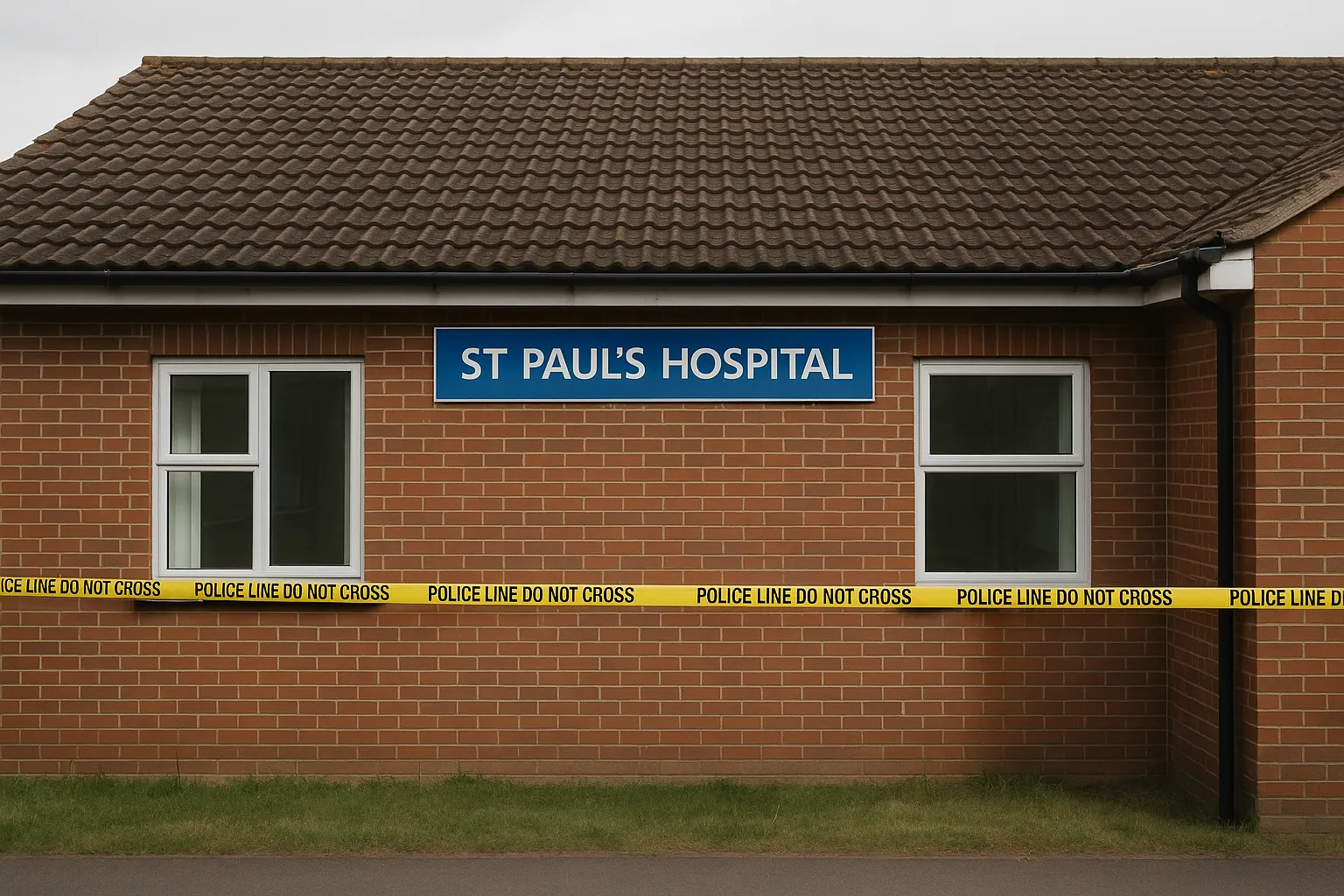
A charity established in 2004 has recently drawn the attention of regulatory authorities following an incident report submitted last August. The report highlighted serious concerns regarding the possible mistreatment of individuals under its care, leading the charity to notify Northamptonshire Police, who are currently conducting an investigation into the matter.
The situation has raised significant questions about the oversight and practices of charitable organisations in the region. Regulatory bodies, including the Charity Commission, are keen to ensure that all charities operate in accordance with the standards expected from them, especially in sensitive areas such as health and social care.
This charity, identified for its commitment to supporting vulnerable individuals, is now facing scrutiny as it navigates through this troubling episode. The initial submission of a serious incident report was a critical step taken by the charity, showcasing a level of transparency about the issues they are confronting. It demonstrates the charity’s commitment to accountability and the welfare of those it serves.
In response to the spotlight now cast on the charity, experts point out the importance of maintaining robust safeguarding measures. Jane Smith, a spokesperson for the National Council for Voluntary Organisations (NCVO), stated, “Charities must ensure that they have effective systems in place to protect their beneficiaries. The reporting of serious incidents is a necessary part of maintaining trust and integrity within the sector.”
Local communities and stakeholders are watching closely as the investigation unfolds, eager to hear more about how this situation will be addressed. Concerns over patient treatment highlight an ongoing issue within many charitable organisations, where resources may be strained, and oversight can sometimes falter.
The Charity Commission has previously expressed its expectation that charities take immediate action when serious incidents are reported. Following the receipt of the incident report, the Commission’s engagement with the charity may lead to further scrutiny of its governance and operational practices. It is essential for both the charity involved and the broader sector to learn from such incidents to prevent future occurrences.
In light of these developments, it has become increasingly vital for charities to foster an environment of open communication. Stakeholders are encouraged to share their concerns and report any issues that may arise, ensuring that the focus remains on the safety and well-being of all beneficiaries.
As the inquiry progresses, the charity is expected to cooperate fully with investigators. This cooperation is seen as crucial not only for maintaining trust with the public and the communities it serves but also for demonstrating a commitment to ensuring that such incidents are thoroughly examined.
This situation serves as a reminder of the complexities involved in charitable work, which often includes navigating difficult and emotional circumstances. Charities play a vital role in society and rely heavily on public confidence to continue their operations. Any failure to protect vulnerable individuals can have significant implications for the organisation’s reputation and its operational efficacy.
Community members have expressed their concerns and support for the individuals affected by this incident. There is a general sense that while the charity’s mission has been commendable, the reported issues indicate a need for reform in how such charities manage their operations and safeguard their clients. Local voices are calling for increased transparency and accountability from all organisations working within the charitable sector.
Experts in the field underscore the need for continuous improvement in safeguarding practices across all charities. Dr. Michael Anderson, a leading figure in social work and charitable governance, commented, “This incident highlights a critical need for ongoing training and support for staff within charitable organisations. Ensuring that those on the front lines are equipped with the knowledge and skills necessary to protect the vulnerable is paramount.”
As investigations continue, both the charity and regulatory authorities are facing significant pressure to address the concerns raised. There is an expectation that the findings will lead to actionable recommendations that could bolster the safety protocols employed by charitable organisations nationwide.
In conclusion, the issues surrounding the charity serve as a pivotal moment for the sector, prompting reflection on best practices in governance and the importance of safeguarding in communities. The outcome of the investigation conducted by Northamptonshire Police, along with any potential actions from the Charity Commission, will play a crucial role in shaping future policies and ensuring that the fundamental trust placed in charitable organisations is maintained. The ongoing dialogue around this incident will likely spur further discussions about the framework under which charities operate and their commitment to protecting the vulnerable individuals they serve.
Our Thoughts
The article highlights a serious incident report submitted by a charity regarding potential mistreatment of patients. To avoid such incidents, the charity could have implemented more robust safeguarding procedures and training for staff on recognizing and reporting mistreatment. Regular audits and compliance checks could ensure adherence to best practices.
Key safety lessons include the importance of creating a culture of safety and transparency within organizations that provide care. Establishing clear reporting mechanisms for staff and patients can help in addressing concerns promptly.
Relevant regulations that may have been breached include the Care Act 2014, which emphasizes the duty of care and safeguarding standards in health and social care settings, and the Health and Safety at Work Act 1974, which mandates risk assessments and management.
To prevent similar incidents, charities should prioritize ongoing staff training, develop comprehensive safeguarding policies, and ensure a whistleblower policy is in place to protect individuals who report mistreatment. Regular engagement with regulatory bodies could also facilitate compliance and accountability.