













Story Highlight
– Phillip Mayhew crushed by transporter’s top deck, died.
– Attempted to free jammed safety pins with sledgehammer.
– Colleagues performed CPR but could not revive him.
– No clear vehicle defects identified by Health and Safety.
– Company increased training and documentation after incident.
Full Story
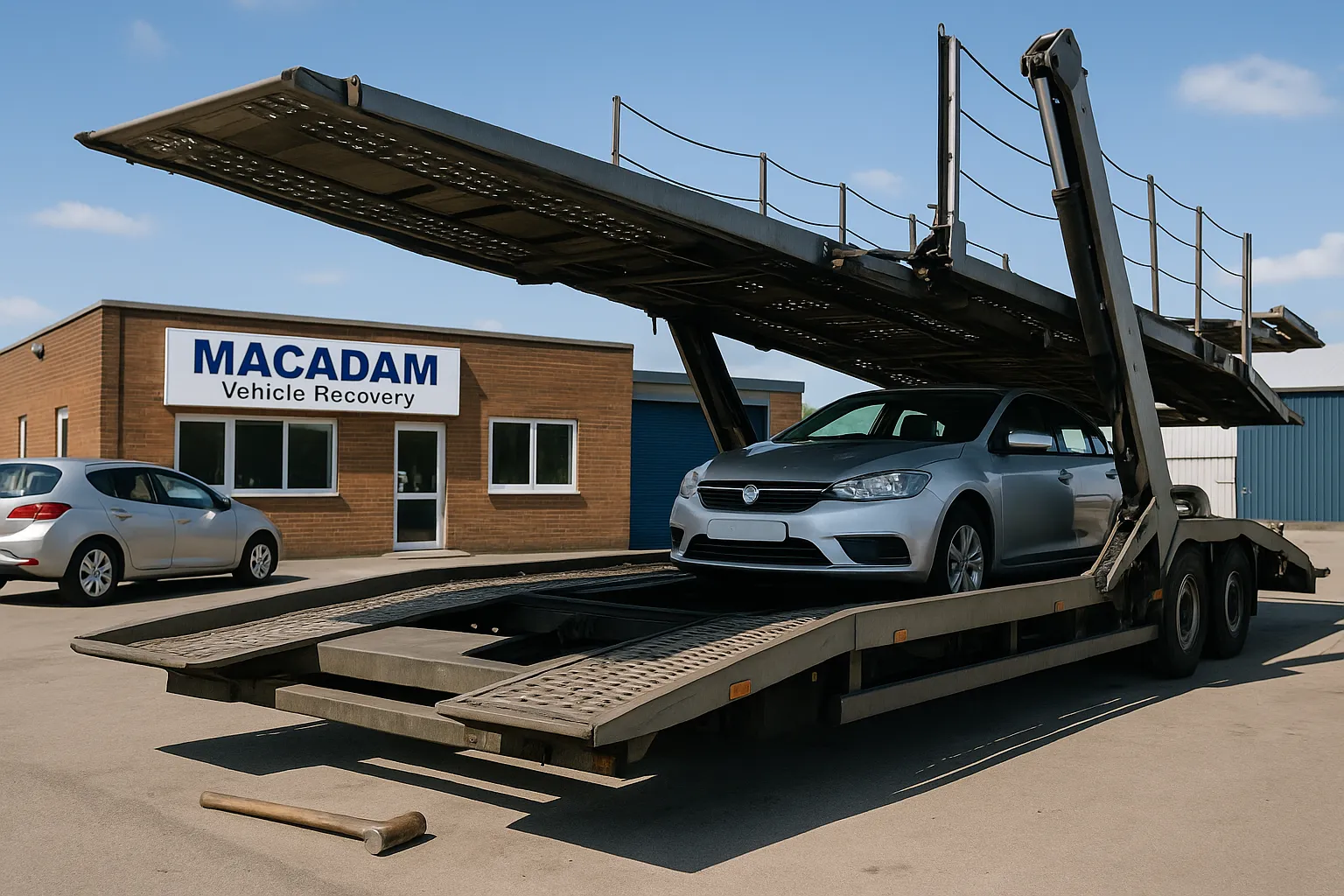
An inquest into the tragic death of 35-year-old Phillip Mayhew, who worked as a vehicle recovery technician, has revealed crucial details surrounding the incident that occurred on March 29, 2024, in Ripon. Mr Mayhew, who had recently joined J D Macadam recovery services just two months prior, suffered fatal injuries while showing a new colleague the operational procedures of a vehicle transporter on Boroughbridge Road.
The proceedings, which took place at Northallerton Coroner’s Court on July 1, revealed that Mr Mayhew was attempting to elevate the top deck of the vehicle when the safety pins governing its operation became stuck. During his efforts to free the pins, Mr Mayhew stood on the lower deck of the transporter while the upper portion loomed above him. Tragically, as he struck the pins with a sledgehammer, the top deck fell and struck him, leading to severe injuries.
Colleagues at the scene provided immediate assistance, with some performing CPR for ten minutes in a desperate attempt to revive him. Despite their efforts and the quick response of emergency services, Mr Mayhew was pronounced dead at the location of the incident.
A post-mortem examination subsequently revealed that Mr Mayhew died from multiple traumatic injuries, which included a skull fracture. His untimely death has left a profound impact on the local community and his colleagues at Macadam.
The inquest heard from Daniel McEwan, a colleague of Mr Mayhew, who described the devastating moment as “instantaneous,” expressing his shock and disbelief following the occurrence. Another coworker, James Barker, recounted the atmosphere of panic that enveloped the site after the incident, noting his obligation to retrieve a forklift truck to attempt to dislodge the top deck and rescue Mr Mayhew from beneath it.
Barker stated, “We tried to find a pulse from him but we couldn’t, so we started CPR and desperately tried to save him.” This account highlights both the urgency and the emotional turmoil experienced by the team in those critical moments.
Representatives from Macadam, including compliance manager Aaron Nelson and area senior manager Carl Jones, shared insights into the company’s health and safety training protocols. They confirmed that routine training is a standard practice for employees, with mandatory daily vehicle inspections before any job is undertaken. Notably, both Nelson and Jones informed the coroner that their policy strictly prohibits any staff members from positioning themselves beneath the top deck of a transporter or stepping onto the vehicle itself.
In light of Mr Mayhew’s death, the managers acknowledged that the company is enhancing its training procedures. They stated that additional guidance regarding safe positioning while operating vehicles is now being integrated into the training regimen.
Health and Safety Executive inspector Louise Redgrove also contributed to the inquest, reporting that there were no identifiable faults with the transporter involved at the time of the accident. Nevertheless, she highlighted the necessity for Macadam to elevate its training initiatives and ensure comprehensive documentation following the incident. Redgrove pointed out the lack of a sufficient record-keeping system regarding training, which has prompted the need for improvement in compliance measures.
The inquest continues to examine the circumstances surrounding Mr Mayhew’s death, focusing on the broader implications for workplace safety within the vehicle recovery industry. The case raises critical questions about operational protocols and the training effectiveness in preventing such tragic accidents in the future.
Local sentiments within the community reflect a deep sorrow for the loss of Mr Mayhew, as colleagues and residents reflect on the impact of this tragic event on those close to him. The calls for stricter adherence to safety regulations and enhanced training processes aim to prevent a recurrence of similar incidents in the future, reinforcing the importance of workplace safety in high-risk environments.
Phillip Mayhew’s legacy serves as a poignant reminder of the inherent risks associated with vehicle recovery operations and highlights the vital need for comprehensive safety measures to protect workers in demanding and potentially hazardous jobs. As the inquest proceeds, the hope remains that it will lead to meaningful changes in training and operational protocols that safeguard the lives of those working in this essential service.
Our Thoughts
The tragic incident involving Phillip Mayhew highlights several key safety lessons and regulatory breaches. Firstly, the approach of using a sledgehammer to release the jammed safety pins was unsafe and not in line with proper risk assessment and control measures as outlined in the Health and Safety at Work etc. Act 1974. Adhering to safe operational procedures should have prevented Mr. Mayhew from working directly underneath the top deck, contravening safe working practices.
Additionally, there was a lack of thorough documentation and follow-up on training, indicating a breach of the Management of Health and Safety at Work Regulations 1999, which require employers to ensure adequate training, information, and supervision is provided to staff.
To prevent similar incidents, Macadam should implement a more rigorous training and supervision protocol, ensuring that workers fully understand and follow safety guidelines. An emphasis should also be placed on regular audits of safety practices and equipment, as per the Reporting of Injuries, Diseases and Dangerous Occurrences Regulations (RIDDOR) 2013. Overall, enforcing a zero-tolerance policy for unsafe practices, accompanied by robust training documentation, could significantly reduce the risk of future accidents.