















Story Highlight
– Two brothers convicted for worker’s death in Birmingham.
– Victim crushed unloading over 24 tonnes of glass.
– Company lacked necessary unloading equipment and training.
– Nashwan Amin gave inaccurate account of the incident.
– Sentencing for both men scheduled for September 17.
Full Story
**Brothers Convicted in Connection to Fatal Incident Involving 27-Year-Old Worker in Birmingham**
Two brothers have been found guilty following the tragic death of a 27-year-old employee who was fatally crushed while unloading a substantial load of glass at an industrial site in Birmingham.
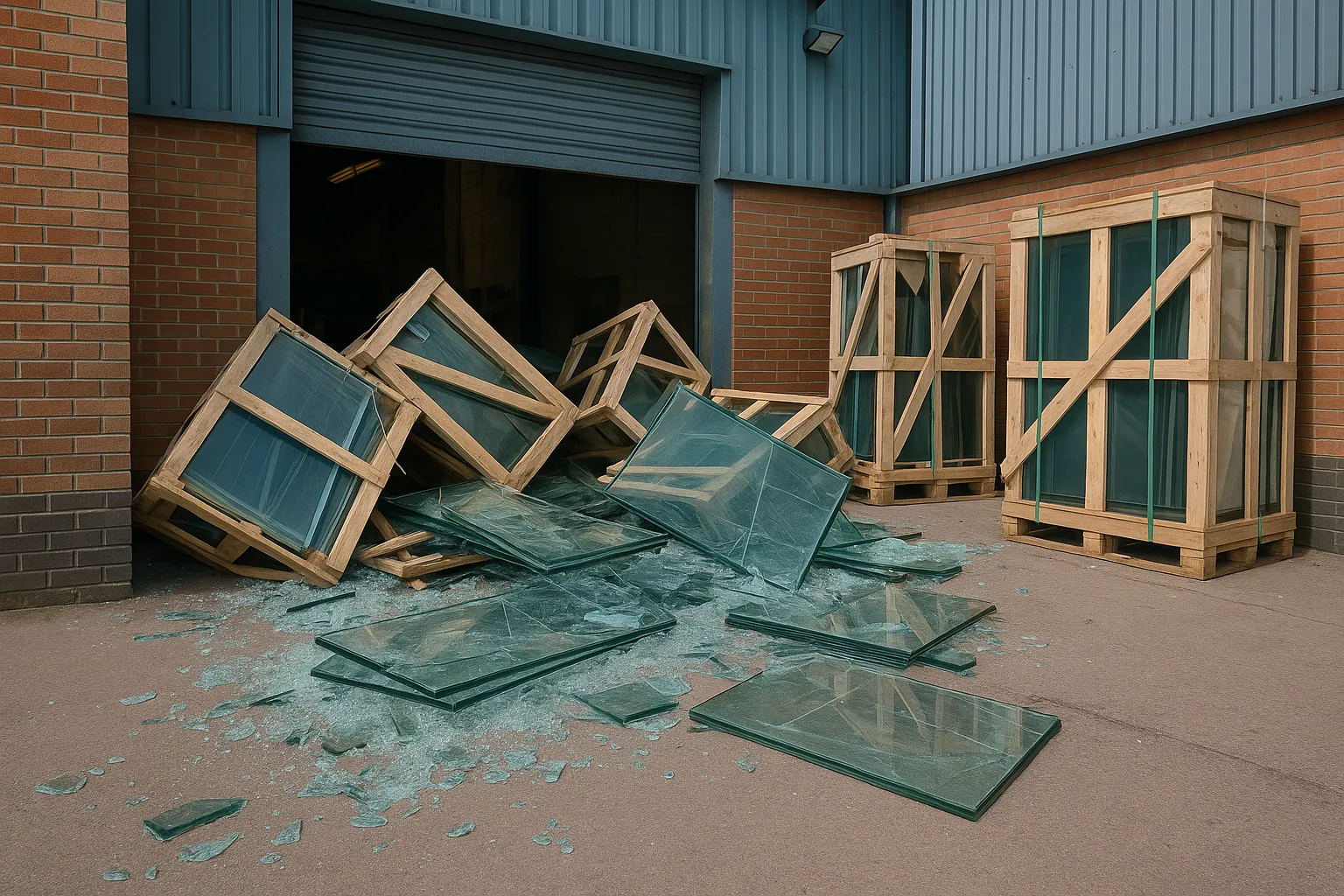
Ako Azizpour lost his life on 8 February 2024, while performing his duties at UK Superior Glass, located on Tyburn Road in Erdington. The incident occurred when he became trapped under crates containing more than 24 tonnes of glass. Emergency responders arrived promptly to the scene but were unable to save him, and he was pronounced dead shortly after.
During proceedings at Birmingham Crown Court, Nashwan Amin, aged 29 and owner of the company, was convicted of manslaughter and perverting the course of justice. His brother, Razwan Amin, 27, previously admitted to the charge of perverting the course of justice. Both individuals are scheduled to receive their sentences on 17 September, with Nashwan Amin currently held in custody.
Investigations conducted by West Midlands Police, in collaboration with the Health and Safety Executive, revealed alarming oversights at the workplace. It was discovered that the facility lacked both a crane and a specialised forklift, equipment that was clearly necessary for the safe unloading of such a heavy shipment. Evidence suggested that Nashwan Amin had been aware of this requirement.
The investigation further exposed that there was inadequate documentation concerning employee welfare and health and safety protocols within the company. There appeared to be a lack of proper training for the workers as well. Reports indicated that Nashwan Amin had employed individuals seeking asylum in the area, potentially exploiting them as a low-cost labour force.
Dealing with the fallout from the incident and ensuing investigation, Det Ch Insp Daniel Jarratt, who oversaw the case, stated, “This has been a complex investigation throughout which our thoughts have remained with Mr Azizpour’s family. We worked closely with the Health and Safety Executive, and we were able to find out what happened that day – and demonstrate that ultimately Mr Azizpour’s death could have been prevented.”
He stressed the importance of holding employers accountable, especially in situations where negligence leads to loss of life. “We were committed to bringing the pair to justice, and employers must be reminded to uphold their duty of care,” he added.
The family of Ako Azizpour, who originally hailed from Iran, expressed their profound grief over the loss of their son. In a previous statement, they shared their struggle to comprehend the reality of their son’s untimely death.
The circumstances surrounding Azizpour’s tragic demise reflect significant safety violations that could have been avoided with proper oversight and commitment to employee safety protocols. The case has raised pertinent questions regarding workplace standards and the ethical treatment of workers, particularly those of vulnerable backgrounds.
Industry experts comment on the broader implications this incident may have on the construction and industrial sectors across the UK. With the increasing scrutiny of workplace safety measures, the commitment to ensuring that adequate training and equipment are provided is more critical than ever.
Further discussions among safety professionals emphasize the urgent need for regulatory bodies to reinforce strict compliance with health and safety regulations. The inability to provide safe working conditions not only places the lives of employees at risk but may also lead to severe legal repercussions for employers failing to adhere to established guidelines.
Community members in Birmingham have voiced increasing concern regarding the sentiment of safety in local workplaces, particularly in industries that employ vulnerable populations. Activists and organisations advocating for workers’ rights are leveraging this case as a call to action for improved regulations and enforcement in workplace safety.
As the community awaits the sentencing of the Amin brothers, it serves as a stark reminder of the critical importance of maintaining safety standards in industrial environments. As the legal proceedings unfold, the discussions surrounding worker welfare, safety regulations, and employer accountability will undoubtedly continue to resonate within Birmingham and beyond.
For those wishing to follow developments related to this story or share their insights regarding workplace safety in Birmingham and the Black Country, local news channels remain open to receiving tips and stories from the community. It is hoped that this unfortunate event may ignite a crucial dialogue leading to enhanced protections for workers across various sectors.
Our Thoughts
The tragic death of Ako Azizpour highlights several significant failures in health and safety practices. Key lessons include the necessity for appropriate equipment for high-risk tasks, such as the use of cranes or specialized forklifts for unloading heavy glass, which could have prevented the incident. The lack of existing health and safety documentation and inadequate staff training further exacerbated the risk, breaching the Health and Safety at Work Act 1974, which mandates employers to ensure, so far as is reasonably practicable, the health and safety of employees.
Additionally, employing untrained or vulnerable workers without proper oversight creates severe hazards and violates regulations surrounding worker safety and welfare. The case illustrates the critical importance of proper risk assessments and the implementation of safe systems of work.
Preventative measures could involve rigorous training programs, the establishment of safety protocols, and compliance checks to ensure that all workplace equipment meets safety standards. Employers must be held accountable for upholding their duty of care to their employees, particularly for vulnerable workers, to prevent future tragedies. Regular audits and strict adherence to health and safety legislation could mitigate such incidents.