















Story Highlight
– Drivers urged to check tyre pressures amid heatwave.
– Heat affects tyre pressure, increasing failure risks.
– 49% of drivers haven’t checked tyres in a month.
– Modern cars alert for underinflated tyres only.
– Tyre checks improve handling and safety significantly.
Full Story
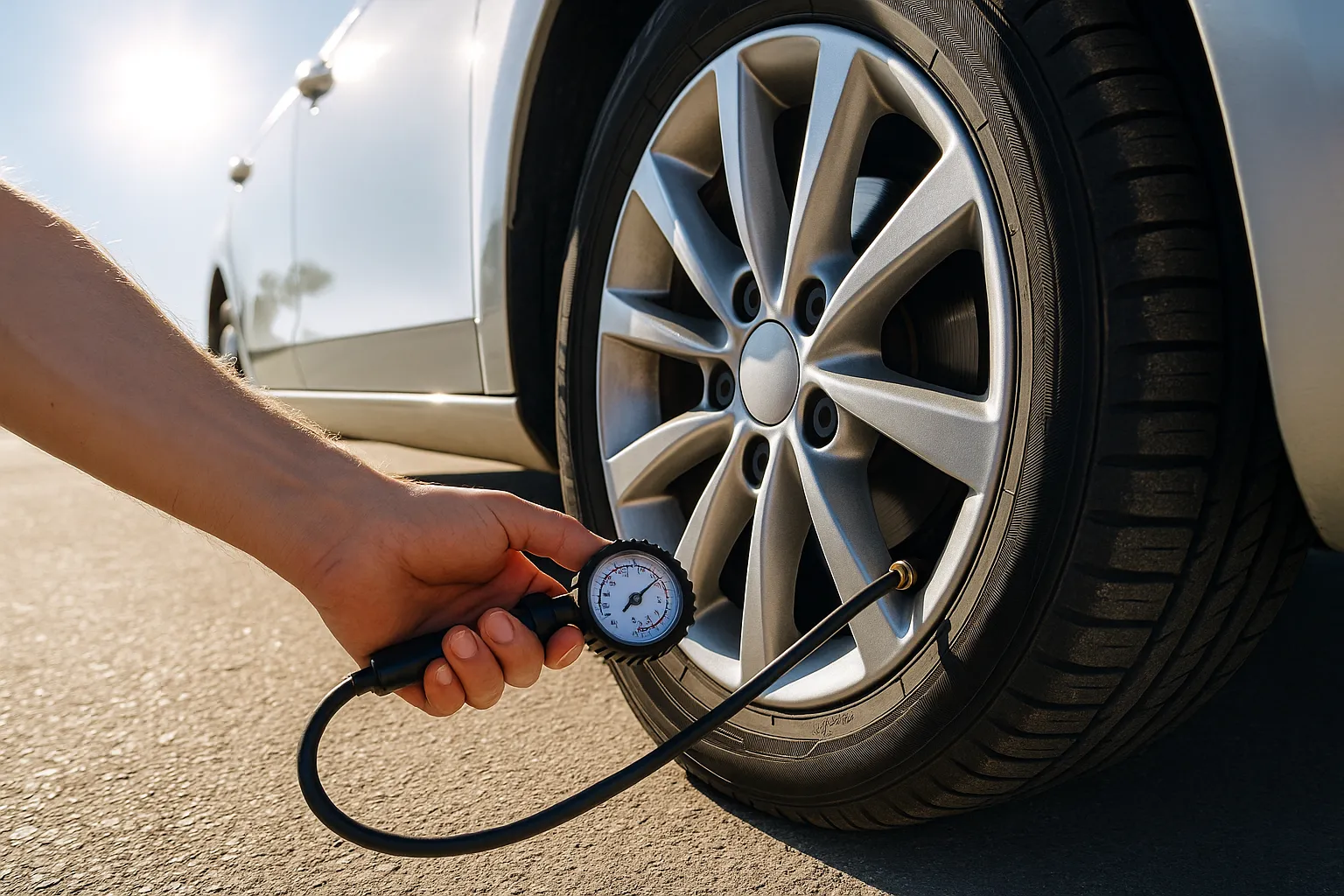
Motorists across the UK are being encouraged to pay attention to their tyre pressures ahead of a predicted heatwave, which poses a heightened risk of tyre-related failures. With many gearing up for soaring temperatures, a yellow heat-health alert has been issued for large stretches of England, running from Saturday through to Wednesday. Meteorologists anticipate that some regions may experience temperatures soaring into the high 20s and low 30s Celsius next week.
Recent studies have highlighted a concerning trend among drivers, revealing a lack of attention to one of the most fundamental safety checks—the tyre pressure. A survey conducted by Select Car Leasing indicated that nearly half of all drivers—49%—have not checked their tyre pressures within the last month. Alarmingly, more than a quarter (28%) admitted to leaving it for at least two months between checks, while 15% acknowledged delays of three months or more. In contrast, only 23% reported having examined their tyre pressures within the previous week, despite expert recommendations suggesting weekly inspections are prudent, particularly during hot spells.
Graham Conway, the managing director of Select Car Leasing, emphasised how fluctuating temperatures significantly affect tyre air pressure, impacting important safety parameters such as braking distances and road grip. “Ambient air temperature can affect the pressure inside your car’s tyres. Hot weather can increase tyre pressure, while colder weather can cause it to fall. For every 10°C shift, tyre pressures might go up or down by around 1-2 PSI,” he explained. Conway highlighted that while this may seem like a minor variation, it can substantially affect vehicle handling, braking distances, fuel efficiency, and overall safety.
Underinflated tyres carry the risk of overheating, which can ultimately lead to tyre failure—a situation that carries potentially severe implications for motorists. Conversely, overinflated tyres can impair grip and diminish the ability of tyres to absorb shocks from road irregularities, such as potholes, thereby increasing the likelihood of damage.
Fortunately, many modern vehicles are equipped with technology that alerts drivers when tyre pressures drop below the recommended levels. “If you see an illuminated warning light resembling a flat tyre with an exclamation mark, do not ignore it,” Conway cautioned. However, it should be noted that not all Tyre Pressure Monitoring Systems (TPMS) are designed to alert users about overinflated tyres, making it crucial for drivers to carry out regular checks themselves.
These findings emerge as the UK Health Security Agency has also raised concerns regarding the potential impact of the heatwave on vulnerable groups and the additional pressure it may place on health and social care resources. There are warnings about an increased likelihood of water-related incidents, such as cold water shock and drowning, further necessitating vigilance in this hot weather.
The survey results revealed that 24% of drivers last checked their tyre pressures between two and three weeks ago, while 22% said it had been a month since their last check. Additionally, 13% admitted they had not measured their tyre pressures in two months, 10% between three and five months, and 5% confessed to waiting six months or longer.
With temperatures set to rise again, experts urge that taking a few moments to check tyre pressures can significantly enhance vehicle handling, reduce braking distances, and diminish the chances of experiencing a potentially hazardous blowout.
The situation has prompted local automotive experts to advise that all drivers should implement a routine check as part of their pre-drive safety measures. Local workshops and garages, which are anticipating an influx of customers during the heatwave, report that a simple inspection can prevent more severe issues from arising on the road.
In light of these findings, local authorities and road safety advocates are encouraging community awareness campaigns to promote road safety and vehicle maintenance. They are working to disseminate information on the importance of proper tyre maintenance, especially during periods of extreme weather.
As warmer days loom, it is vital for motorists to remain vigilant. Ensuring proper tyre pressure not only safeguards personal safety but also contributes to road safety for all. Additionally, these preventive measures support the longevity of tyres, ensuring they perform at their best during all driving conditions.
Failure to routinely check tyre pressure can lead to dire consequences, and as we enter this hot spell of weather, it cannot be overstated how imperative it is to take a proactive approach in maintaining vehicle safety. In conclusion, taking a few minutes to properly check and adjust tyre pressure before hitting the road could mean the difference between a comfortable journey and a potentially dangerous situation.
Our Thoughts
To mitigate the risks associated with tyre failures during heatwaves, proactive measures should be emphasized. Regular checks of tyre pressures, ideally on a weekly basis during high temperatures, are crucial as fluctuations can significantly impact vehicle handling and safety. The survey indicates a clear breach of the “Management of Health and Safety at Work Regulations 1999,” which mandates that employers assess and manage risks, including those related to vehicle safety for employees driving for work.
Furthermore, educating motorists about the importance of tyre maintenance, particularly the effects of temperature on tyre pressures, could greatly reduce incidents. The UK’s “Highway Code” provides guidance on vehicle safety checks, which should be adhered to by all drivers. Promotion of the benefits of tyre pressure monitoring systems (TPMS) can also enhance awareness, although it is crucial for drivers to understand that these systems may not warn against overinflation.
To prevent similar incidents, outreach campaigns could reinforce the importance of regular inspections and the potential consequences of neglecting tyre maintenance, thus fostering a culture of safety among motorists.