















Story Highlight
– HSE issues first Prohibition Notice to health service provider.
– Inadequate health surveillance endangered workers’ health significantly.
– Inspectors found unqualified personnel conducting health assessments.
– Improvement Notice issued for lacking proper governance and oversight.
– HSE emphasizes competence in occupational health services for worker protection.
Full Story
The Health and Safety Executive (HSE) has taken an unprecedented step by issuing its inaugural Prohibition Notice against an occupational health service provider, stemming from serious concerns regarding insufficient health surveillance practices that jeopardised worker safety. This decisive action marks a pivotal moment in the HSE’s oversight of occupational health standards and underscores the organisation’s commitment to mitigating workplace health risks.
The enforcement action serves as a clear warning to providers of occupational health services that deficits in their offerings, particularly those that pose tangible risks to employee health, will not be tolerated. Inspections revealed that the provider in question was engaging in health surveillance conducted by personnel lacking the requisite training, qualifications, and appropriate supervision. As a result, crucial early indicators of significant occupational health issues—such as occupational asthma, dermatitis, and noise-induced hearing loss—were at risk of being overlooked. This posed a substantial threat to workers exposed to harmful substances like wood dust and to excessive noise levels, without the necessary interventions in place.
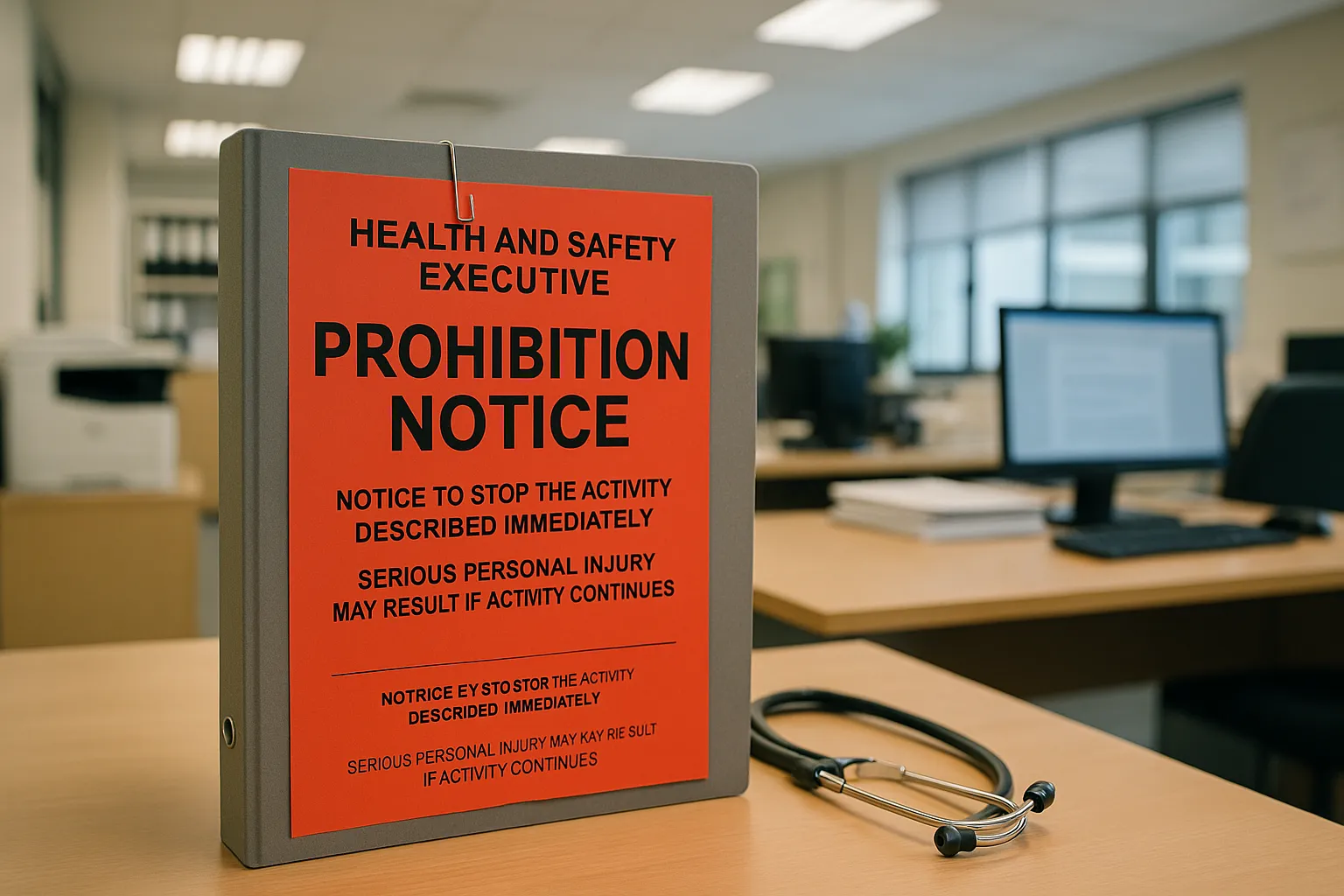
In response to these findings, the HSE issued a Prohibition Notice mandating an immediate cessation of these health surveillance activities based on the identified risks of severe personal injury. Shortly thereafter, an Improvement Notice was also dispatched, revealing that the provider’s health surveillance processes were fundamentally inadequate. Inspectors noted an alarming absence of qualified occupational health oversight, inadequate clinical governance structures, and the lack of a quality assurance system. These shortcomings meant there were no clear protocols for addressing negative findings or reassessing workplace safety measures.
Julie Wood, an Occupational Health Inspector at the HSE, stated, “This is the first time HSE has taken enforcement action of this kind against an occupational health service provider, and we have not done so lightly. It reflects the seriousness with which we view the quality of occupational health provision and our determination to act where substandard services are putting people in harm’s way. Health surveillance exists to protect workers from work-related health conditions that can cause permanent, life-changing harm. When it is carried out poorly, employers are given false assurance and workers are left unknowingly at risk.”
The significance of health surveillance cannot be understated. It represents a legal obligation for numerous employers and serves the vital function of identifying potential occupational diseases at an early stage, facilitating timely interventions to secure the health of affected employees and their colleagues. When health surveillance is inadequately executed, it can create misleading confidence among employers, ultimately leaving workers vulnerable to preventable health issues.
This incident exemplifies the crucial need for occupational health services to be delivered by qualified, competent professionals who adhere to rigorous clinical governance standards. Ensuring that employers have access to suitably qualified occupational health services is a central aspect of the HSE’s overarching strategy aimed at reducing the incidence of work-related health conditions. Moreover, the HSE expects employers to critically assess whether the occupational health providers they select are capable of meeting the legal benchmarks required to safeguard their workforce effectively.
While the issuance of the Prohibition Notice highlights a significant enforcement measure taken by the HSE, it is part of a broader regulatory framework aiming to improve health standards across various sectors. Workers have a right to an environment that prioritises their health, and health surveillance is a critical component of achieving that goal. The effectiveness of health surveillance can directly influence workplace safety and health outcomes, and employers have a responsibility to ensure that these services are not only legally compliant but also effectively administered.
The enforcement register maintained by the HSE, which can be accessed publicly, includes details on various enforcement actions, although notices are typically published five weeks after they are issued, allowing for appeals and internal reviews. Notably, a Prohibition Notice is designed to halt activities that the HSE deems to involve risks of significant personal injury or ill health, while an Improvement Notice compels organisations to undertake specific corrective actions within a designated timeframe to rectify breaches in health and safety regulations.
Legislation underpinning health surveillance is comprehensive, spanning various regulations such as the Control of Substances Hazardous to Health Regulations 2002 (COSHH) and the Control of Noise at Work Regulations 2005. These laws are in place to protect workers from occupational hazards, and their scrupulous application is essential in enhancing health outcomes across industries.
As the HSE continues to strengthen its regulatory approach towards occupational health service providers, the hope is to foster an environment where worker health is paramount, and inadequate services can no longer compromise safety. This case serves as a compelling reminder that every employer must uphold their duty of care to their employees, ensuring that occupational health practices are credible and effective in preventing work-related illness.
Our Thoughts
The HSE’s findings highlight significant deficiencies in health surveillance practices within the occupational health service provider, primarily stemming from inadequate training and lack of qualified personnel. To prevent such incidents, employers must ensure that occupational health services are delivered by properly qualified and trained professionals, adhering to the legal requirements outlined in regulations such as the Control of Substances Hazardous to Health Regulations 2002 (COSHH) and the Control of Noise at Work Regulations 2005.
Key safety lessons include the necessity of robust clinical governance and quality assurance processes, which were notably absent in this case. Ensuring that occupational health providers have clear procedures for addressing adverse findings and reviewing workplace controls is essential to avoid leaving workers exposed to significant risks, such as occupational diseases.
Employers should conduct due diligence when selecting occupational health providers to confirm their competence and compliance with legal standards. Regular audits and oversight can help identify potential weaknesses in health surveillance arrangements before they compromise worker safety. Strengthening these protocols can mitigate the risk of serious health consequences for employees and uphold legislative requirements.