














Story Highlight
– Nasal tanning spray illegal in the UK, warns doctor.
– Contains unregulated ingredients, posing severe health risks.
– Can cause nausea, dizziness, and respiratory complications.
– Linked to serious conditions like melanoma and kidney dysfunction.
– Users rely on black market, risking their health further.
Full Story
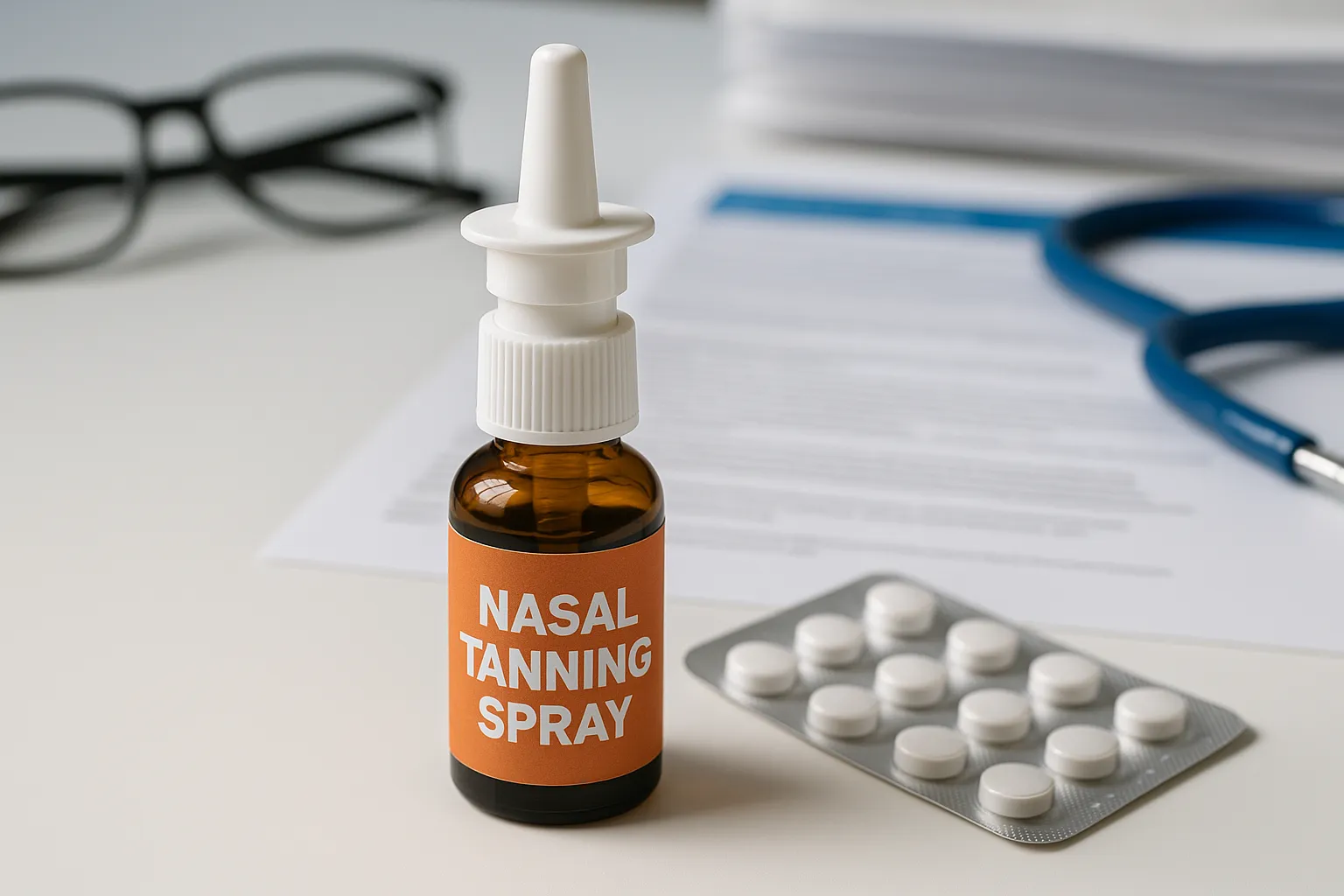
A public health expert has raised concerns about a risky tanning method that is prohibited in the UK, warning of its potential health hazards. Trading Standards have already flagged one particularly popular item, nasal tanning spray, as illegal to purchase in the country. This is primarily due to its common composition of unregulated substances that can lead to serious side effects.
Dr Rupa Parmar, a general practitioner and Medical Director at Midland Health, has issued a strong advisory for individuals contemplating the use of these tanning sprays. She emphasises the dangers associated with purchasing products that lack regulation and highlights safer alternatives for achieving a tanned appearance.
Dr Parmar explained how nasal tanning sprays function, stating that they work by using a synthetic hormone known as Melanotan II to accelerate the tanning process through the stimulation of melanin production. While this may appeal to those seeking a quick and intense tan, she warns that the reality is fraught with risks given the unlicensed and unregulated status of these products.
“The most concerning aspect of these sprays is their lack of regulation,” Dr Parmar stated. “They bypass essential medical guidelines and safety assessments, which raises significant safety issues. Because of this, these products may be tainted, may contain harmful substances, or could deliver incorrect dosages. The result might be adverse health issues or even long-lasting effects that can be irreversible.”
She elaborated on the potential side effects linked to the use of these sprays, highlighting symptoms such as nausea, diarrhoea, appetite loss, dizziness, headaches, and respiratory irritation, including coughing and allergic reactions. There are specific risks for men, such as sudden fluctuations in libido and unanticipated erections.
The inhalation of these chemicals poses further health threats, potentially leading to nasal congestion and irritation of the respiratory system, which could escalate to respiratory failure. Long-term use of nasal tanning sprays has been associated with severe complications, including skin damage, an increased risk of skin cancer, and potential strain on internal organs. Medical professionals have correlated their use with severe conditions, including melanoma skin cancer, kidney dysfunction, and elevated blood pressure.
Dr Parmar cautioned against the notion that any tan is worth compromising one’s health. She highlighted that the unpleasant side effects and potential for enduring health complications could necessitate ongoing medical interventions and care.
“Moreover,” she noted, “the illegal nature of these sprays means that consumers are often pushed to the black market, including dubious online advertisements. This lack of oversight leaves users in the dark regarding what substances they are actually ingesting. By opting to buy these sprays, individuals are inadvertently supporting an illicit market that prioritises profits over the health and safety of its customers.”
The dependency that can develop from using these tanning sprays also came under Dr Parmar’s scrutiny. Users may find it challenging to cease their use, often feeling an overwhelming urge to continue. The risk is heightened when these sprays feature unverified ingredients that could specifically lead to addictive behaviours. For those who experience difficulties in stopping usage, she recommends consulting a general practitioner.
“We urge individuals not to feel ashamed to seek help from a healthcare professional; proactive discussions can significantly contribute to reducing health risks,” Dr Parmar advised, asserting that immediate cessation of these products is advisable to mitigate long-term health ramifications.
In light of Dr Parmar’s insights, it is evident that individuals considering tanning products should carefully scrutinise their safety and legality. Options that do not involve potential health risks are increasingly available. Thus, those seeking a bronzed appearance are encouraged to explore safer tanning alternatives, which can offer a more responsible way to achieve their cosmetic desires without endangering their health.
In conclusion, the attraction of achieving a desirable tan must be balanced against the possible dangers of unregulated products like nasal tanning sprays. As awareness of these issues grows, it is crucial to remain informed about the potential risks involved and to seek guidance from health professionals when it comes to skincare and tanning methods. Prioritising safety over superficial aesthetics should be the guiding principle for anyone considering such products.
Our Thoughts
The article highlights significant health risks associated with the illegal use of nasal tanning sprays containing Melanotan II. To avoid the dangers mentioned, proper regulation and enforcement of cosmetic products are essential. According to the UK Health and Safety at Work Act 1974, employers have a duty to ensure the health and safety of their employees, which includes ensuring that any products used in a workplace setting are safe and compliant with regulations.
Key safety lessons include the importance of consumer education on the hazards of unregulated products and the need for stricter crackdowns on the black market for such items. The use of unapproved substances bypasses the Medicines and Healthcare products Regulatory Agency (MHRA) guidelines, which are in place to protect public health.
To prevent similar incidents, health campaigns should be initiated to raise awareness about the risks of using illegal tanning products. Additionally, collaboration between health professionals and regulatory bodies could strengthen consumer protection measures, ensuring that individuals are aware of safe alternatives and the potential long-lasting implications of using illegal substances. Maintaining enforcement of the Misuse of Drugs Act 1971 can also help deter illegal trade practices linked to such dangerous products.