














Story Highlight
– Two soldiers died in tank explosion at Castlemartin Range.
– Health and Safety Executive authorized Crown Censure against MoD.
– Rheinmetall BAE Systems faces charges for safety failures.
– Investigation revealed MoD’s negligence in soldier safety.
– Crown Censure represents maximum sanction for government bodies.
Full Story
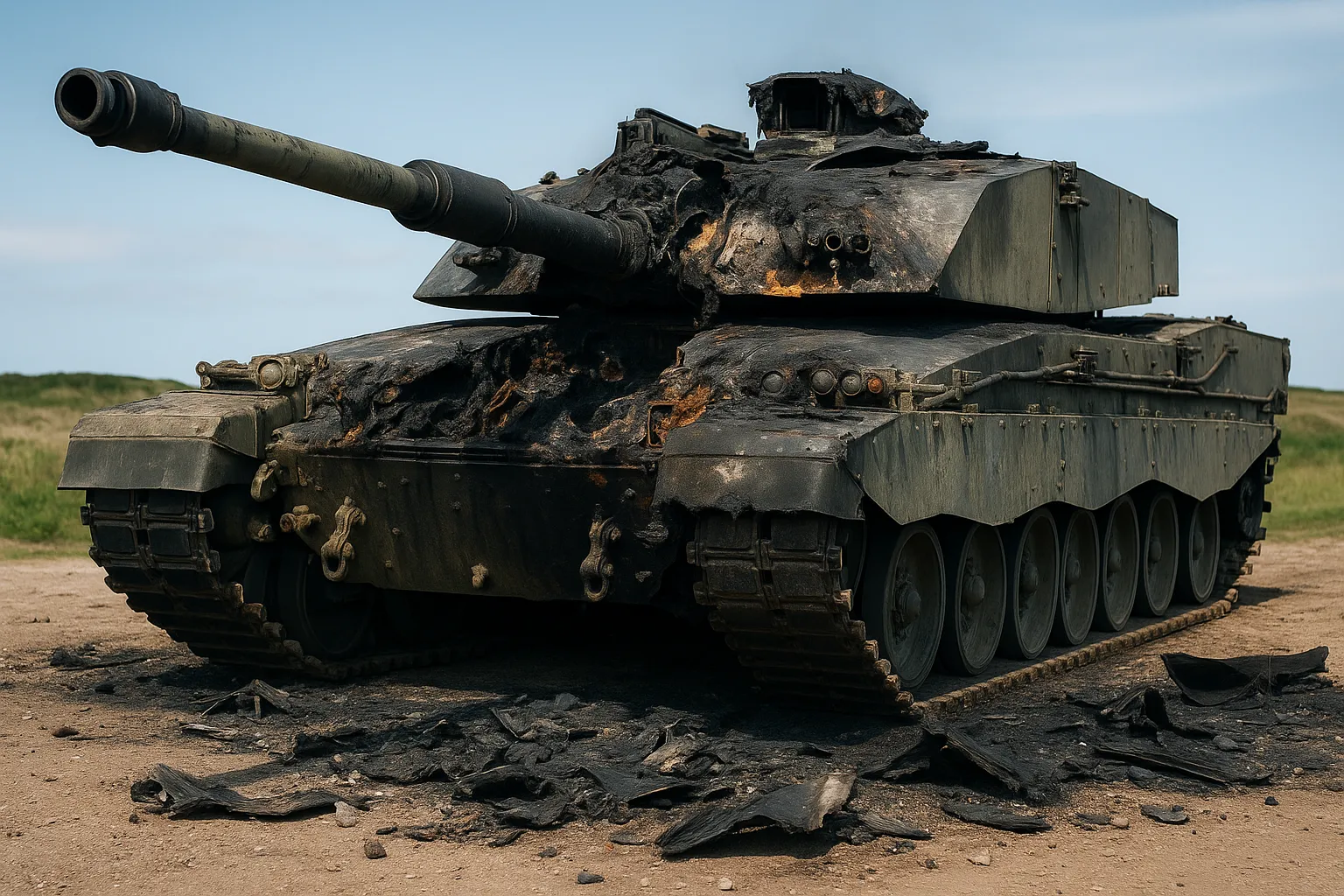
Corporal Darren Neilson, aged 31, and Corporal Matthew Hatfield, aged 27, tragically lost their lives in a tank explosion incident at Castlemartin Range, Pembrokeshire, on 14 June 2017. The explosion involved the L30 gun mounted on a Challenger 2 tank and also resulted in injuries to two additional soldiers, one of whom sustained severe, potentially life-altering injuries.
In a significant development almost nine years following this incident, the Health and Safety Executive (HSE) has publicly announced its decision to issue a Crown Censure against the Ministry of Defence (MoD). This measure represents the most substantial penalty that can be levied against government entities in the UK concerning breaches in health and safety protocols. Additionally, HSE has recommended criminal charges against Rheinmetall BAE Systems Land Ltd, the contractor responsible for the design and safety evaluation of the tank and its armament.
The events of that fateful day have continued to resonate within the military community and raise critical questions regarding the safety standards applicable to armed forces personnel. The Crown Censure against the MoD reflects allegations that it did not adequately secure the health, safety, and welfare of its personnel as mandated under Section 2 of the Health & Safety at Work etc Act (1974). The HSE further alleges that Rheinmetall failed to safeguard individuals not under its employment, invoking Section 3 of the same act.
A comprehensive investigation led by HSE inspectors scrutinised the circumstances surrounding the explosion, culminating in a detailed report submitted for legal assessment. This report provided the groundwork for the recent decisions regarding the Censure and potential prosecution. Notably, this process does not equate to an admission of guilt, nor does it imply any judicial determination of culpability at this stage.
The Crown Censure is a formal mechanism employed by the HSE to officially rebuke various government institutions, including the MoD, for significant violations of health and safety laws. Such penalties are important as they not only hold agencies accountable but also aim to instigate improvements in safety measures to prevent future incidents.
In light of this incident, discussions have surfaced concerning the adequacy of safety protocols and training provided to military personnel, particularly regarding the usage of potentially hazardous equipment like the Challenger 2 tanks. Experts in military safety and defence have underscored the necessity for rigorous safety assessments and transparent accountability processes in order to enhance operational safety standards.
The Ministry of Defence, while unable to be prosecuted in the same manner as private entities, faces significant scrutiny through the Crown Censure process. This mechanism serves to ensure transparency and public awareness around the safety of armed forces personnel. The dual proceedings against the MoD and Rheinmetall BAE Systems signify an important step towards fostering a culture where health and safety are prioritised.
Following the Crown Censure resolution, a formal hearing is anticipated to further delve into the findings of the HSE investigation and its implications. This hearing will clarify the responsibilities involved and potentially lay the groundwork for implementing regulatory changes aimed at preventing any reoccurrences of such tragedies.
The families of Corporals Neilson and Hatfield have been at the forefront of advocating for accountability following the deaths of their loved ones. Their calls for justice emphasised the need for improved safety measures and diligent oversight within military ranks. The decision by the HSE is a poignant reminder of the sacrifices made by service members and the imperative that their safety is not compromised.
As the proceedings unfold, it is crucial for a thorough evaluation of the entire incident to be conducted, with a focus on how lessons learned can lead to enhanced safety protocols that protect current and future soldiers. The collective hope is that through this process, wider issues surrounding military safety can be effectively addressed, ensuring that no other families have to endure the loss experienced by the families of Neilson and Hatfield.
The ramifications of the HSE’s actions could extend beyond the immediate case, potentially influencing policy shifts within the MoD and initiating a broader dialogue about the importance of maintaining high safety standards in military operations. By holding the relevant parties accountable, the HSE aims to contribute to systemic improvements that benefit all service personnel.
In conclusion, the difficult journey towards acknowledging and addressing failures in safety has begun with the recent HSE determinations. While the emotional toll on the families affected by the events of June 14, 2017, remains significant, the ongoing evaluation of military safety practices signifies a critical turning point in the commitment to safeguarding the lives of those who serve.
Our Thoughts
The tragic deaths of Corporals Darren Neilson and Matthew Hatfield highlight significant lapses in health and safety protocols at the Castlemartin Range. Key safety lessons revolve around the necessity for thorough risk assessments and effective safety management systems, particularly concerning complex equipment like the Challenger 2 tank.
The Ministry of Defence (MoD) breached Section 2 of the Health & Safety at Work etc Act 1974 by failing to ensure the health, safety, and welfare of its soldiers. Additionally, Rheinmetall BAE Systems Land Ltd is charged under Section 3 for not safeguarding the health and safety of persons not in its employment, indicating inadequacies in both design safety and operational oversight.
To prevent future incidents, the MoD should enhance its safety oversight mechanisms, ensuring robust reviews of safety cases conducted by contractors. Regular training and safety drills for personnel operating high-risk equipment are imperative, as is fostering a culture where safety concerns can be raised without fear. Strengthening collaboration between the MoD and contractors on safety protocols is essential to avert similar tragedies.