















Story Highlight
– Workers exposed to tuberculosis samples and toxic chemicals.
– Multiple safety incidents reported from 2021 to 2025.
– Nine hospitalized due to formaldehyde exposure incident.
– Poor planning and communication highlighted in investigations.
– Injuries occurred during disease-control inspections and testing.
Full Story
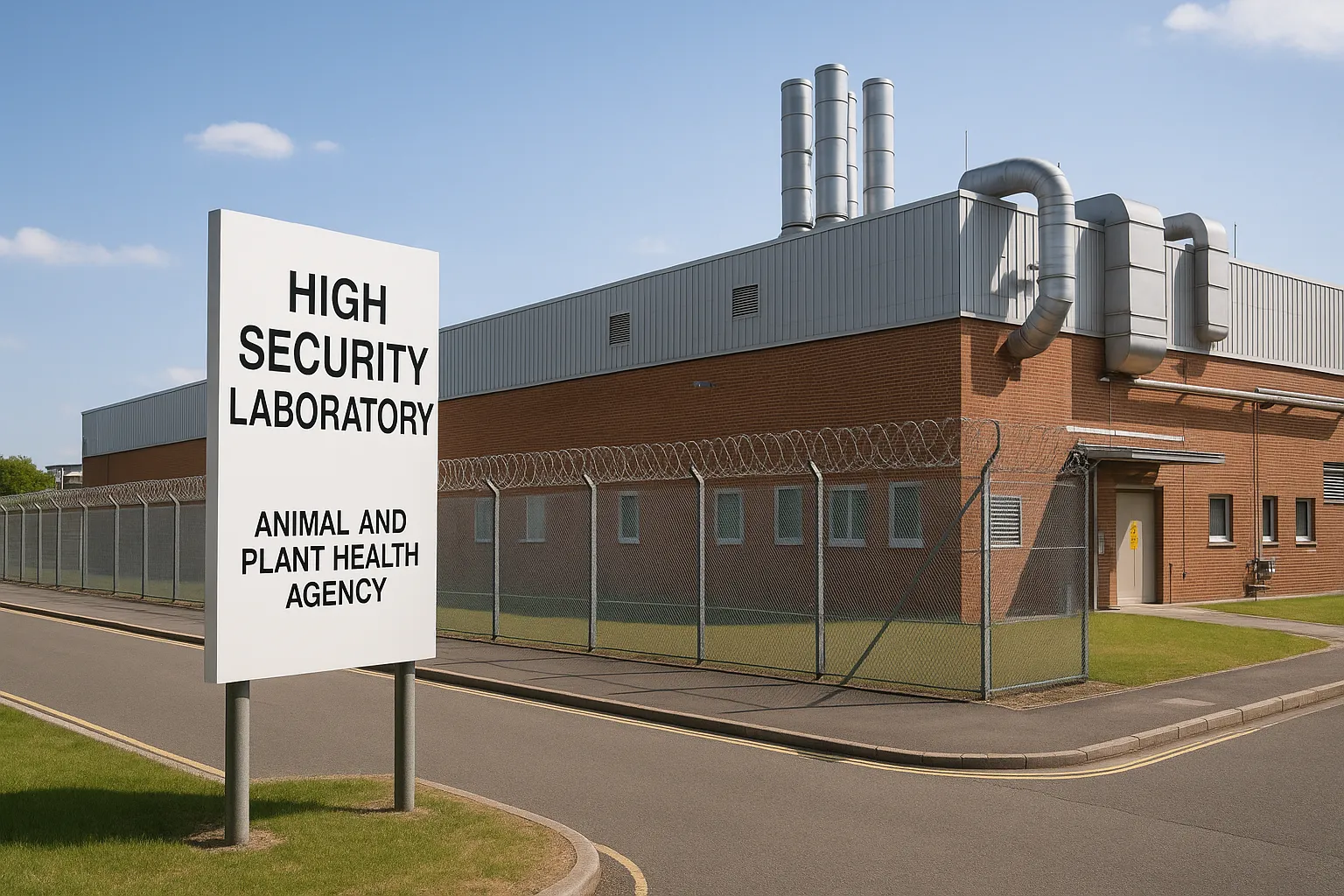
Government scientists working at the Animal and Plant Health Agency (APHA) in Weybridge, Surrey, have faced multiple safety incidents involving hazardous substances and potential biological threats over the past few years. Internal incident reports, covering the period between 2021 and 2025, indicate a concerning trend of exposure to tuberculosis samples, toxic fumes, and serious accidents that have resulted in injuries and chemical exposure.
The APHA facilities are primarily dedicated to studying serious animal diseases, including bovine tuberculosis, and operate under stringent safety protocols due to the nature of their work. However, a series of documented incidents suggests that these measures may not have been sufficient to prevent several dangerous occurrences in high-containment laboratories.
In one notable incident, a laboratory handling tuberculosis samples was evacuated after a mishap led to potentially infected material being released outside of a microbiological safety cabinet. Emergency procedures were enacted swiftly, which included the evacuation of staff and subsequent fumigation to address fears of contamination spreading to adjacent containment rooms. A formal report submitted to the Health and Safety Executive (HSE) classified this as a “dangerous occurrence,” highlighting the release of biological agents as a critical concern.
Additionally, in a separate episode involving exposure to formaldehyde, nine personnel required hospital treatment after fumigation work led to the inhalation of toxic fumes. The incident escalated to a “major incident” proclamation by medical staff upon their arrival. Investigative efforts revealed significant shortcomings in emergency protocols and inter-departmental communications, as well as inadequacies in building systems that permitted the fumes’ cross-contamination.
There were also reports of further respiratory irritations among staff due to formaldehyde exposure during supposed ventilation tests in a virology lab. This incident, too, resulted in an employee visiting the Accident and Emergency department for assessment after receiving guidance from NHS 111. Investigators expressed dissatisfaction with the operational planning and oversight, indicating that siloed working conditions among staff contributed to these failures.
Another troubling incident involved exposure to Brucella canis, a pathogen linked to canine infections that can pose serious health risks to humans. Scientists inadvertently mishandled a sample outside of the highest containment area after neglecting to note essential warnings in accompanying documentation. Following this event, two staff members were referred to occupational health for monitoring.
The reports further document injuries sustained by frontline animal health inspectors during their operational duties aimed at disease control. Notably, one inspector narrowly escaped losing a finger due to a contaminated needle during testing for the bluetongue virus in cattle. Initially, the inspector continued their work despite the injury, but they later developed a severe infection necessitating emergency surgical intervention and an extended hospital stay with intravenous antibiotics. Medical advice confirmed that, without prompt treatment, the inspector could have faced permanent loss of the digit.
Moreover, the records indicate various incidents of physical injuries during inspections, such as a fractured hip caused by being knocked over by a dog and nerve damage suffered after an arm was caught in a cattle gate while testing for tuberculosis. These occurrences reflect the physical dangers associated with conducting animal health inspections.
The high-security laboratories, labelled as Biosafety Level 3 and 4 facilities, are designed to handle particular biological or chemical agents that have the potential to cause serious harm. Ian Cooke, a spokesperson from the British Safety Council, emphasized that strict containment measures, regular cleaning, effective ventilation, and comprehensive emergency response plans are vital in these environments. He remarked, “Containment systems are designed to stop biological or chemical agents escaping the controlled environment,” elucidating the multifaceted framework of safety that includes secure handling protocols and controlled access to sensitive areas.
Despite the concerning safety records, an APHA spokesperson maintained that the agency adheres to high safety standards. The spokesperson noted, “APHA Weybridge maintains extremely high safety standards and our staff are highly skilled and trained to minimise any potential risk, so that critical scientific operations can be carried out safely day to day.” They further underscored the centre’s pivotal role in safeguarding the UK’s biosecurity frameworks and its reputation for animal disease control and research.
The recent revelations of safety breaches and the resulting injuries at the Animal and Plant Health Agency could raise important questions about the efficacy of existing safety protocols and the future operational standards within such critical public health institutions. Continuous scrutiny and improvement of safety practices will be essential to protecting not only the health of the agency’s staff but also the wider community amid ongoing biological research challenges.
Our Thoughts
The series of safety incidents at the Animal and Plant Health Agency (APHA) highlight significant failures in adherence to UK health and safety regulations, particularly under the Health and Safety at Work Act 1974 and the Control of Substances Hazardous to Health (COSHH) Regulations.
To prevent such occurrences, stricter compliance with rigorous risk assessments and safety protocols is essential. The release of potentially infectious droplets in a containment laboratory suggests inadequate containment measures and emergency procedures were not effectively implemented. Improved training and communication would ensure all staff are aware of protocols and risks associated with hazardous materials. Regular maintenance and prompt reporting of facility issues, such as the faulty door mechanism, could mitigate slip and fall accidents.
Furthermore, comprehensive oversight and collaboration among staff members in high-risk areas would reduce siloed working practices that contributed to the mishandling of biological agents like Brucella canis.
Implementing these changes would foster a culture of safety, significantly lowering the risk of future incidents and enhancing the overall safety environment in laboratory settings.