














Story Highlight
– UK’s third heatwave in three months declared by Met Office.
– Temperatures expected to exceed 35C in parts this week.
– Amber heat health alerts issued for Midlands and south.
– Northern regions will see rain; southern areas remain hot.
– High UV levels forecast; sun protection recommended.
Full Story
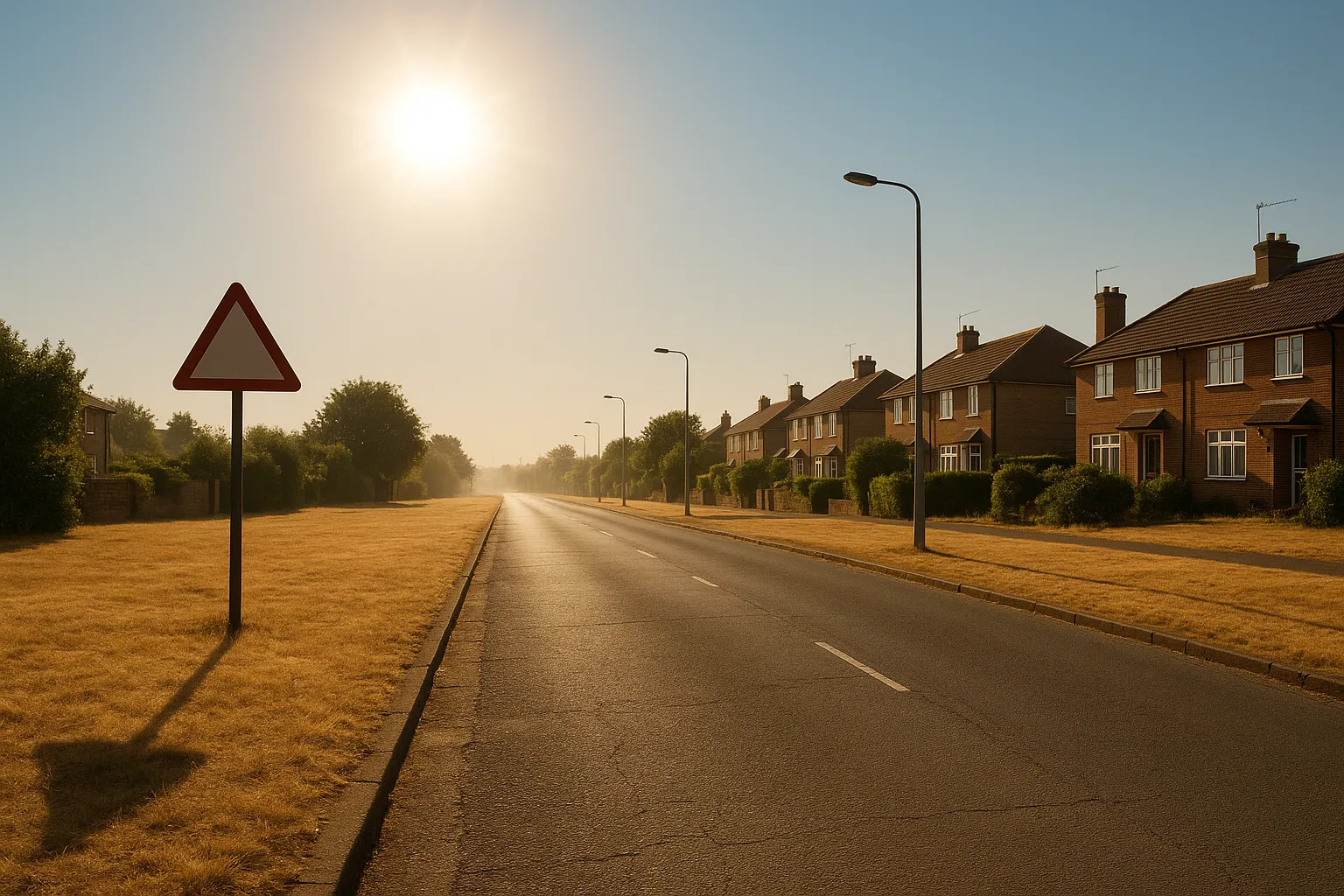
The Met Office has announced that the United Kingdom is set to experience its third heatwave within the last three months. Forecasts suggest that temperatures may exceed 35 degrees Celsius in several areas later this week, signalling a continuation of a particularly warm spell across the nation.
As of Monday, regions in the southeast of England officially qualified as being in heatwave conditions after registering three consecutive days with temperatures above 28 degrees Celsius. The Met Office has indicated that this trend of rising temperatures will persist throughout the week, and other regions might soon meet their heatwave criteria.
Southern parts of England could see temperatures peak at approximately 32 degrees Celsius on Tuesday, with further increases expected as the week progresses. Predictions indicate a rise to around 33 degrees Celsius on Wednesday and 34 degrees Celsius on Thursday, with highs of 35 degrees Celsius anticipated in isolated areas on Friday and Saturday.
The warm temperatures have already been evident, with Teddington in southwest London recording a high of 34 degrees Celsius on Monday, according to data from the Met Office.
However, there is a notable geographical divide in weather conditions across the country. While southern England prepares for increasingly warm weather starting from Monday evening, Scotland is expected to experience a different scenario during the initial half of the week. The northern regions will likely face stronger winds, along with intermittent rain, and temperatures are anticipated to stay closer to the seasonal averages.
Looking towards the weekend, it is expected that the warm air will gradually migrate northwards, leading to humid conditions and an elevated chance of rain showers or isolated thunderstorms in those areas.
As temperatures are forecasted to cool slightly early next week, many regions will still maintain dry and warm conditions. Steven Keates, the deputy chief forecaster at the Met Office, advised the public to remain vigilant and “take the usual precautions with the heat and the sun.” He noted, “Parts of the UK are entering heatwave conditions: the third heatwave in the UK so far this year.” However, Keates clarified that this heatwave is not expected to break previous temperature records witnessed earlier in the summer.
Despite not reaching the record highs of previous heatwaves, parts of southern England are still likely to experience several days with temperatures in the low 30s, and it remains probable that a few locations might touch 34 to 35 degrees Celsius later in the week.
In response to the rising temperatures, the UK Health Security Agency (UKHSA) has placed amber heat health alerts across the Midlands and southern England, effective from 9 a.m. on Wednesday until 9 p.m. on Sunday. These alerts signal that significant impacts on health and social care services are forthcoming owing to the extreme weather, especially among vulnerable populations including the elderly and those with pre-existing health issues.
Additionally, the UKHSA has issued yellow heat health alerts for Yorkshire and other northern regions for the same timeframe, highlighting that comparable challenges may arise in these areas as well, including a forecasted increase in water-related incidents. This encompasses risks associated with cold water shock and drowning during the hot spell.
The Met Office has also warned of potential “tropical nights” towards the end of the week, wherein nighttime temperatures may stay elevated above 20 degrees Celsius. In consideration of these extreme conditions, National Rail Enquiries has urged rail passengers to stay informed regarding travel updates as disruptions may occur due to the heat.
Motoring assistance services are bracing for a surge in demand as well, with organisations like the Automobile Association (AA) stressing the necessity for motorists to prepare adequately for the heat. Tony Rich, a spokesperson for the AA, advised, “With temperatures expected to climb into the low 30s across parts of England over the coming days, drivers should take the heat as seriously as they would ice or heavy rain. A few simple checks before setting off can make all the difference. Make sure your tyres are correctly inflated, check your coolant level and carry plenty of drinking water for everyone in the vehicle, including pets.”
He further recommended that drivers planning long journeys incorporate regular breaks and, if possible, avoid travelling during the hottest times of the day. In the event of a breakdown, Rich advised obtaining safety by moving to a secure area, preferably behind a safety barrier if available, and staying hydrated while awaiting assistance.
The Met Office has projected that ultraviolet (UV) levels will reach high or very high across various regions of the UK throughout the week, prompting a reminder for individuals to ensure adequate sun protection measures are in place. Furthermore, elevated pollen counts are also anticipated this week, with potential implications for those affected by allergies.
As the country braves these soaring temperatures, public health officials continue to stress the importance of awareness and preparation, particularly for the most vulnerable populations.
Our Thoughts
To prevent adverse effects during heatwaves, several measures could be implemented as part of health and safety regulations. Employers must adhere to the Health and Safety at Work Act 1974, ensuring that the workplace environment is safe and suitable for employees during extreme weather.
Organisations could improve communication by providing clear guidelines on heat stress management and ensuring that hydration stations are available. Regular health checks for vulnerable employees, such as those over 65 or with pre-existing conditions, should be mandated to monitor health risks associated with high temperatures.
The UK Health Security Agency’s amber heat health alerts highlight potential health impacts; therefore, adherence to the Management of Health and Safety at Work Regulations 1999 is crucial. This includes conducting risk assessments specifically for heatwaves and creating emergency response plans.
Furthermore, public safety campaigns could promote awareness of the risks related to heat, including advice on vehicle safety and hydration as emphasized by road safety spokespeople. By proactively addressing heat-related health risks and ensuring compliance with health and safety regulations, similar incidents can be mitigated in the future.