














Story Highlight
– Chanelle McCoy Health approves first oral CBD supplement.
– Pureis Ultra Pure CBD meets Saudi and EU standards.
– Product contains 0% THC and is lab-made.
– Company seeks growth capital for market expansion.
– UK CBD regulations face uncertainty amid EU negotiations.
Full Story
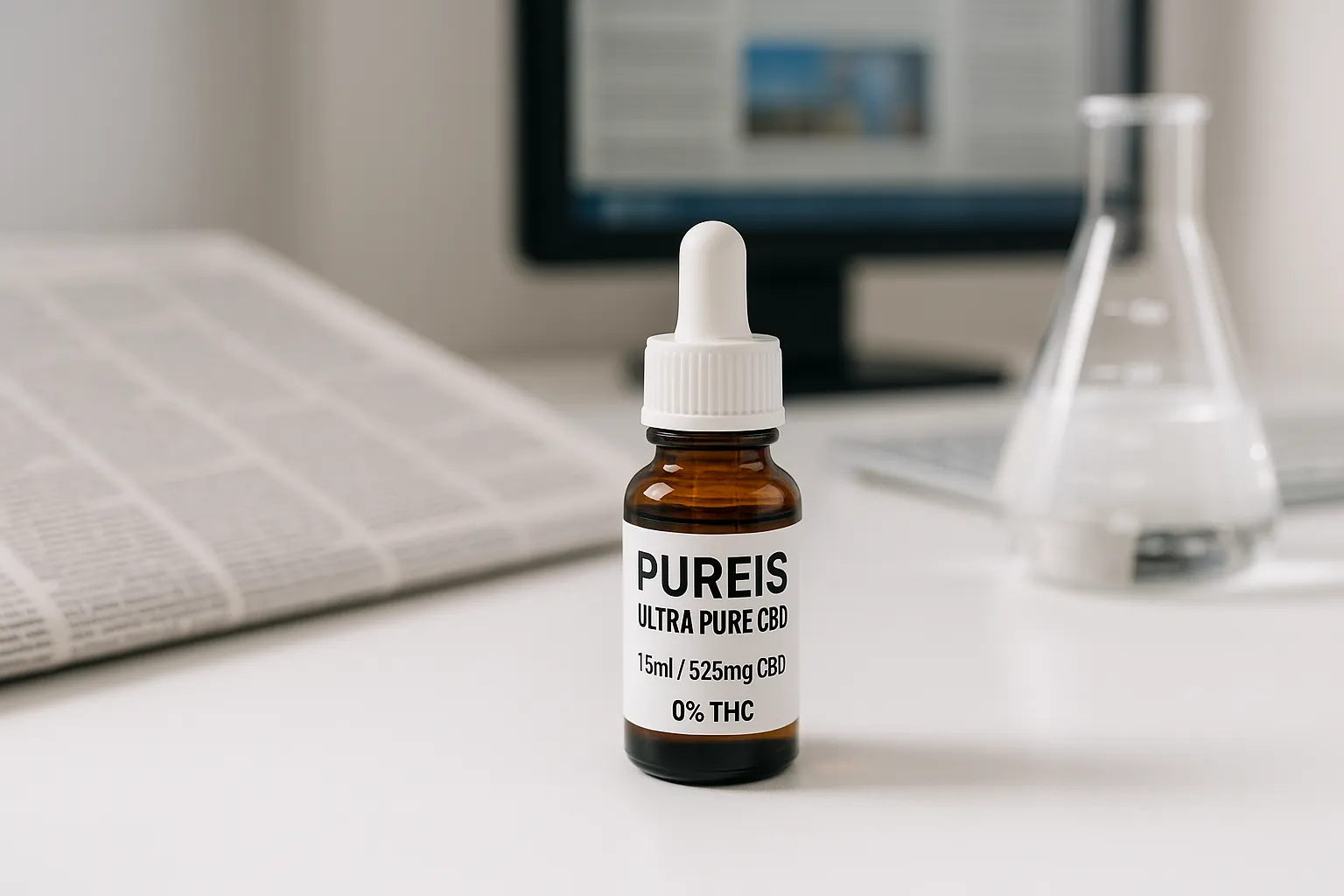
Chanelle McCoy Health has made a significant breakthrough in the cannabidiol (CBD) industry, positioning itself as the inaugural supplier to obtain regulatory endorsement for an oral CBD supplement. The company’s flagship product, Pureis Ultra Pure CBD, has recently garnered approval from the Saudi Food and Drug Authority and has also been recognised as safe for consumption under European Union (EU) novel food regulations.
The Pureis Ultra Pure CBD, manufactured in a laboratory, is distinguished by its 0% THC (tetrahydrocannabinol) content, which is crucial for compliance with various regulatory frameworks. It is noteworthy that this product was part of the initial group of items to successfully navigate the “risk assessment” stage of the UK’s novel foods application procedure, overseen by the Food Standards Agency (FSA). This achievement underscores Chanelle McCoy Health’s commitment to stringent safety standards and scientific validation.
Caroline Coen, co-founder and chief scientific officer of Chanelle McCoy Health, commented on this accomplishment, stating, “We made a conscious decision to develop our products to meet some of the toughest regulatory requirements in the world. That meant investing heavily in the science, safety and quality from day one.” She further expressed optimism about the firm’s compliance-oriented approach by adding, “Approval by Saudi Arabia and confirmation from Europe that our CBD product is safety-approved demonstrates that our rigorous science approach works.”
The dual endorsements from Saudi and European authorities signal a strategic advancement for Chanelle McCoy Health, which is now poised for a new growth trajectory. The company revealed its intentions to pursue regulatory clearances in over 40 additional markets worldwide. As part of its expansion strategy, Chanelle McCoy Health is actively seeking strategic growth capital aimed at enhancing market penetration and financing research and development across various product categories.
Potential new product developments may encompass a diverse range of fields including wellness, cosmetics, food, beverages, medical devices, medicinal products, and veterinary applications. This extensive portfolio highlights the company’s ambition to diversify and cater to a broader audience in the ever-evolving landscape of CBD consumption.
Despite this optimistic outlook, the regulatory environment surrounding CBD in the UK remains clouded with uncertainty. This situation arises as the government engages in negotiations for a new regulatory framework concerning food safety and standards (SPS) with the EU. Recent reports have indicated that suppliers might be compelled to submit new novel food applications within Europe, especially as the FSA prepares to transition its regulatory responsibilities to the EU.
The Grocer reported last month that there are over 12,000 products associated with novel food applications currently undergoing assessment. However, the FSA has cautioned that many of these products, other than a few leading candidates, are unlikely to receive approval before the regulatory responsibility shifts to Europe. This impending change creates a challenging landscape for CBD suppliers trying to navigate compliance with regulatory demands.
Nevertheless, prominent CBD businesses remain hopeful that the FSA will negotiate an exemption that would allow existing products to continue being sold in the UK market. Such a development would be pivotal in sustaining their operations and meeting consumer demand amidst evolving regulatory conditions.
In light of these developments, the contrasting landscape of regulatory approval and uncertainty highlights the complexities faced by CBD suppliers today. As consumer interest in CBD products continues to grow, the need for clear and consistent guidelines becomes increasingly important. Companies like Chanelle McCoy Health are setting benchmarks in terms of safety and compliance that may influence industry standards moving forward.
The advancements by Chanelle McCoy Health serve as a potential case study for other players in the CBD market, demonstrating the importance of rigorous scientific processes and adherence to regulatory standards. As the industry matures, it is likely that consumer awareness regarding the quality and safety of CBD products will escalate, further propelling demand for products backed by solid scientific evidence.
As the company prepares for its next stage of growth, the strategic decisions made today will play a crucial role in shaping its future. The pursuit of innovation, coupled with a robust approach to compliance, may ultimately lead to success in the competitive CBD marketplace. The future landscape for CBD products will undoubtedly be influenced by ongoing regulatory developments, consumer preferences, and the persistent efforts of companies committed to quality and safety.
Our Thoughts
Chanelle McCoy Health’s successful regulatory approval for its CBD product indicates a significant advancement; however, the ongoing uncertainty surrounding UK’s regulatory landscape highlights potential vulnerabilities. Key lessons include the importance of proactive compliance with emerging regulations and continuous engagement with regulatory bodies, such as the Food Standards Agency (FSA), particularly in the context of potential shifts post-Brexit.
To avoid complications, companies should establish robust risk management frameworks that include contingency plans for changing regulations, ensuring that they can swiftly adapt their compliance strategies to maintain market access. Additionally, collaboration with industry stakeholders could further strengthen collective understanding and compliance with evolving legislative environments.
Relevant UK regulations under consideration here include the Food Safety Act 1990 and the Human Medicines Regulations 2012. Companies must ensure adherence to these and any applicable novel food guidelines, particularly given the potential for shifting FSA responsibilities. By reinforcing compliance processes, enhancing product traceability, and investing in regulatory advocacy, similar incidents of non-approval or market disruption can be mitigated, allowing for continued innovation in product offerings.