
















Story Highlight
– UK health officials warn about rare botulism cases.
– Symptoms may appear days or weeks post-Botox treatment.
– Urgent medical attention needed for specific concerning symptoms.
– MHRA updates guidance on botulinum toxin products’ safety.
– Choose qualified practitioners for Botox treatments.
Full Story
Individuals who have recently undergone Botox treatment are being advised to remain vigilant for potential symptoms that may surface several days or even weeks after their procedure. This caution follows the issuance of updated safety warnings by health officials in the UK, prompted by isolated incidents of botulism associated with botulinum toxin injections.
The Medicines and Healthcare products Regulatory Agency (MHRA) has revised its safety guidelines regarding all products containing botulinum toxin type A used within the country. This action comes after the MHRA received reports detailing rare occurrences of iatrogenic botulism, a serious and potentially fatal condition that can arise when the toxin disperses beyond the site of injection. Although the regulator underscored that such cases are infrequent, it has stressed the importance of recognising early warning signs and seeking prompt medical evaluation should any symptoms arise.
This revamped guidance pertains not only to cosmetic Botox applications but also to medical interventions leveraging botulinum toxin for conditions like muscle spasms, hyperhidrosis, and overactive bladder. While officials have reiterated that these products remain effective and largely safe when administered correctly, it is critical for users to be aware of the potential for rare complications.
One significant aspect of the latest recommendations from the MHRA is a recognition that the symptoms of iatrogenic botulism might not be immediately apparent. The agency indicates that these symptoms generally emerge between four to eight days following treatment, though in some scenarios, they may not manifest for as long as four weeks. This time delay underscores the necessity for recipients of Botox injections, who may initially seem to feel fine, to stay alert for any unusual health changes in the weeks after their procedure.
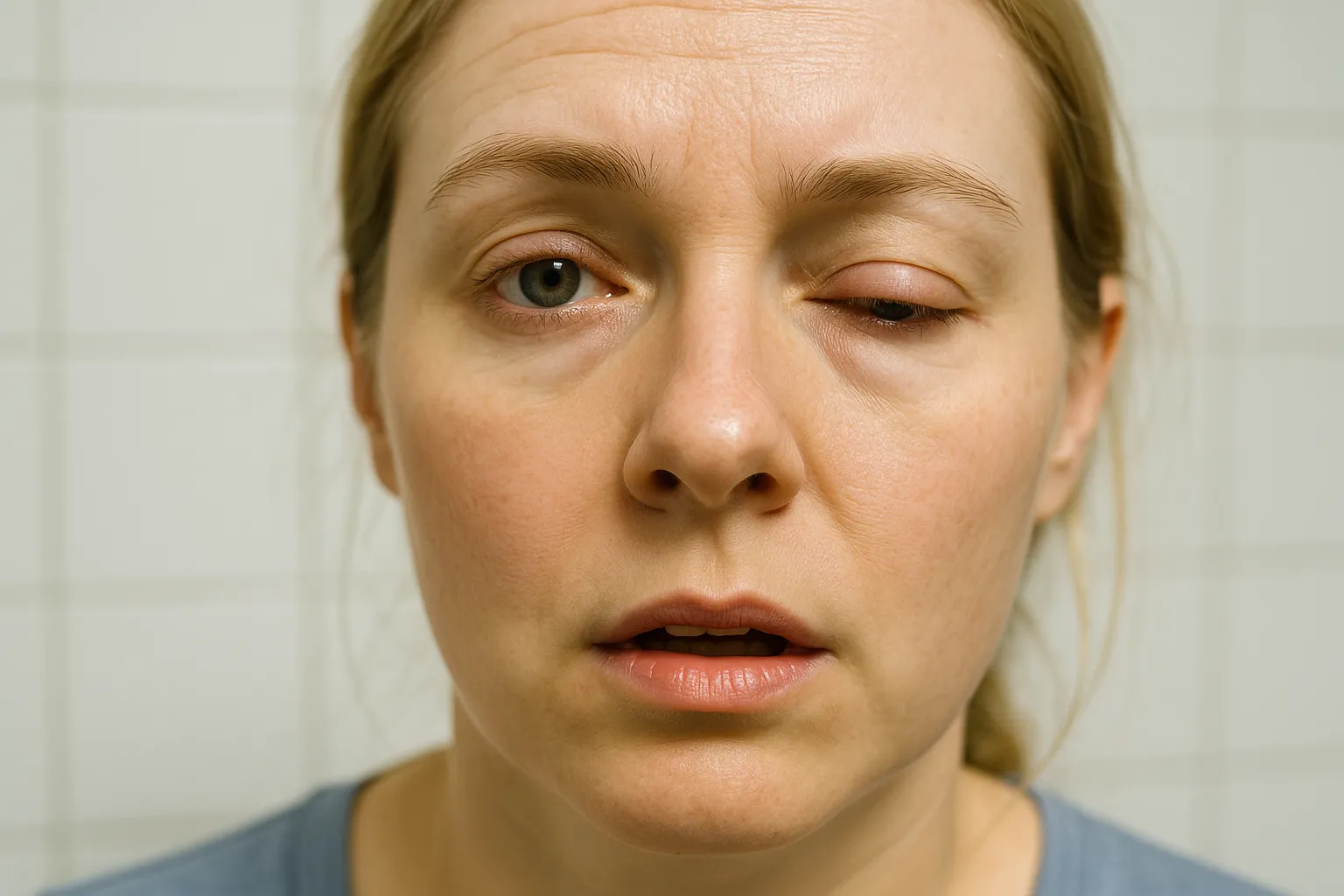
Health authorities are urging individuals to seek immediate medical attention if they experience symptoms such as difficulty swallowing, slurred speech, breathing difficulties, pronounced muscle weakness, double vision, or drooping eyelids after receiving botulinum toxin treatment. These signs may indicate that the toxin has affected muscles beyond the intended area, and immediate healthcare intervention is essential, as severe cases could lead to complications affecting respiratory function and may require hospitalisation.
Botulinum toxin is one of the most extensively administered cosmetic procedures globally, with millions of injections performed annually to combat facial wrinkles. Its use extends into various medical applications as well, addressing neurological disorders and certain health conditions. Alongside the commonplace practice of Botox injections, there has been a discernible rise in illegal and unregulated cosmetic treatments in recent years, highlighting the importance of safety and proper practice.
In light of these updated warnings, the MHRA is advising individuals contemplating Botox treatments to select practitioners who possess appropriate training and qualifications. Consumers are also encouraged to ascertain that the products being used are authorised for such treatments. Additionally, they should report any suspected side effects via the Yellow Card reporting scheme, which aids in the continuous monitoring of the safety of medical products and treatments throughout the UK.
While the recent warnings might seem concerning, the MHRA reassures the public that instances of iatrogenic botulism remain exceptionally rare. The objective of these new guidelines is not to deter individuals from pursuing botulinum toxin treatments but rather to enhance awareness among users and healthcare professionals regarding the potential symptoms. This knowledge is vital, as early recognition can lead to timely medical intervention, significantly improving outcomes for those affected.
Anyone experiencing troubling symptoms such as swallowing difficulties or significant breathing challenges post-treatment is advised to seek immediate assessment. Medical professionals are fully equipped to address these complications, and quick action can often prevent escalation into more severe health issues.
As the dialogue surrounding cosmetic and medical use of Botox continues to evolve, it is essential for both practitioners and patients to remain informed and cautious. Understanding the risks and being aware of post-treatment symptoms can create a safer environment for all involved. Ultimately, while the benefits of botulinum toxin treatments remain substantial, adhering to updated safety measures is crucial for protecting public health and ensuring the well-being of individuals seeking these procedures.
Our Thoughts
To prevent cases of iatrogenic botulism linked to botulinum toxin injections, several key measures could have been implemented. First, stricter enforcement of regulations under the Health and Safety at Work Act 1974 could ensure that only qualified practitioners administer such treatments, reducing the risk of complications. Additionally, practitioners should consistently communicate potential risks and symptoms associated with botulism to patients, fostering awareness that might encourage timely reporting and intervention.
The updated MHRA guidance emphasizes patient education on recognizing delayed symptoms, which should be a standard part of post-treatment care to comply with the Management of Health and Safety at Work Regulations 1999. Training should also include protocols for follow-up discussions with patients regarding any unusual symptoms that may arise.
Finally, the requirement to report adverse incidents under the Yellow Card scheme plays a vital role in monitoring and preventing similar occurrences. Strengthening this process can enhance safety monitoring and ensure that healthcare providers can respond quickly to emerging safety concerns. Reinforcement of these practices could significantly mitigate the risks associated with botulinum toxin treatments.