















Story Highlight
– Puratos fined £120,000 for safety breaches in Buckingham.
– Employees at risk of occupational asthma from dust exposure.
– Unsafe practices included machinery dust leaks and dry sweeping.
– Workers manually lifted heavy sacks, risking musculoskeletal injuries.
– HSE emphasizes need for better protection from workplace hazards.
Full Story
Puratos Limited has faced a substantial penalty after a thorough investigation by the Health and Safety Executive (HSE) revealed significant health risks for its employees at a factory located in Buckingham. The company has been fined £120,000 following inspections that raised serious concerns around workplace safety, particularly in relation to potential occupational asthma linked to airborne dust.
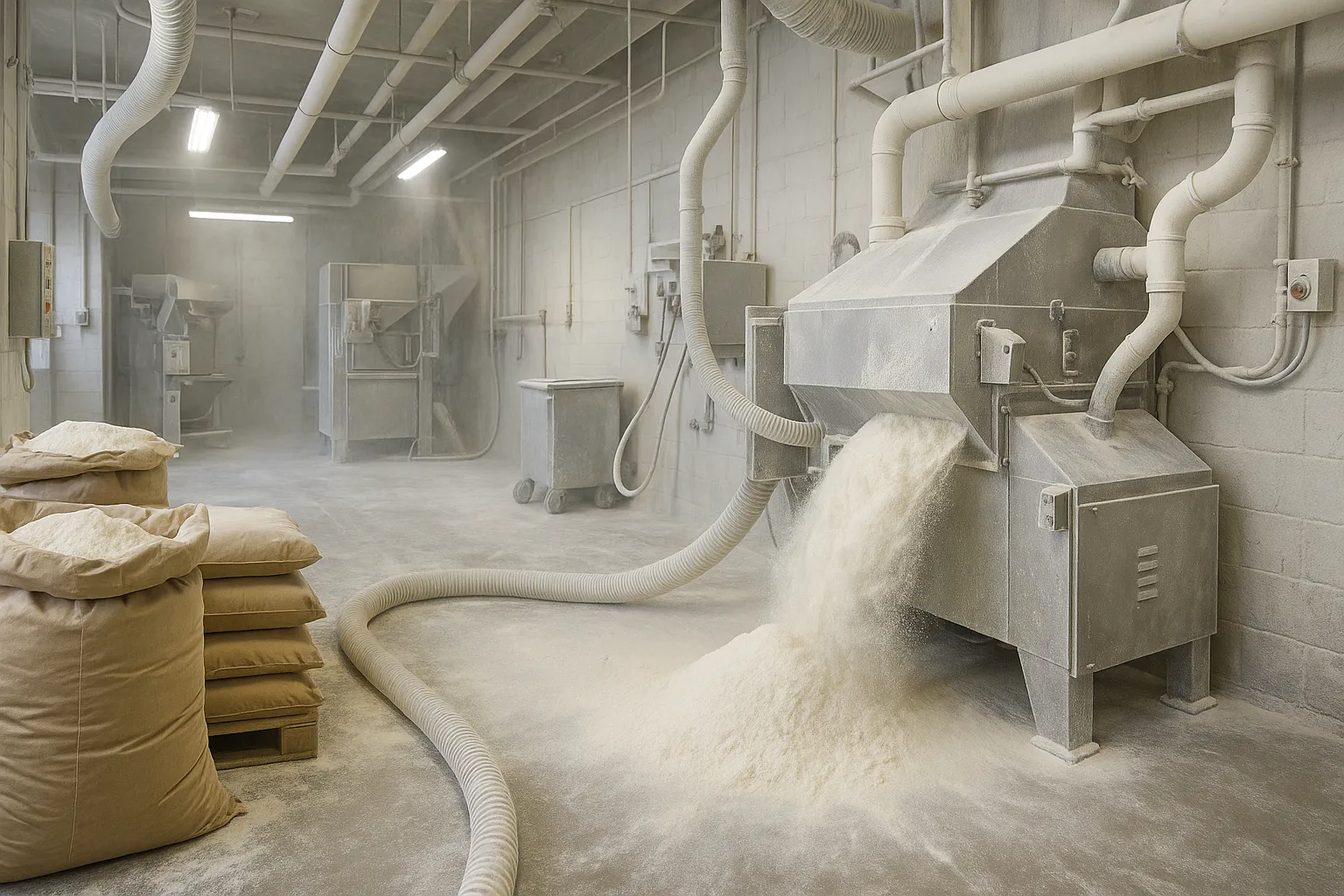
The HSE conducted a detailed inspection on 3 December 2024, during which various unsafe practices were identified. Notably, dust was observed escaping from machinery due to various leaks, and employees were found to be using compressed air to dislodge dust from surfaces. Additionally, practices such as dry sweeping with brushes and brooms were commonplace, which can exacerbate dust dispersion within the workplace.
Subsequent investigations, particularly a workplace dust monitoring report from 18 December 2024, corroborated these findings, indicating that the levels of inhalable dust in the factory exceeded the exposure limits set by the HSE. According to the HSE, certain ingredients used in baking, particularly flour, can expose workers to respiratory hazards. These substances are typically classified as ‘respiratory sensitisers’ or asthmagens, which can lead to a condition where individuals’ airways become overly sensitive. The HSE notes that while not every employee exposed to these irritants will develop asthma, those with heightened sensitivity can suffer asthma attacks even at low exposure levels.
The inspection outcomes also highlighted a concerning manual handling aspect of the workplace. Employees were regularly required to lift heavy 25kg sacks of ingredients, a practice that poses risks of musculoskeletal disorders. The HSE emphasised that repeated heavy lifting should be minimised whenever feasible to prevent these types of injuries.
The Buckingham factory had been under scrutiny previously, with prior inspections in 2021 resulting in enforcement actions regarding the same concerning issues of dust exposure and the risks associated with manual lifting. Following the recent charges, Puratos Limited admitted guilt in breaching Section 2(1) of the Health and Safety at Work etc. Act 1974. The consequences of these findings culminated in a court ruling on 17 July 2026 at Milton Keynes Magistrates’ Court, where the company was sentenced to the aforementioned fine and responsible for £6,270 in legal costs.
Emma Page, an HSE inspector, expressed her frustration with the findings, stating, “Too many workers in bakeries are suffering from unnecessary exposure to dusty ingredients, including flour. When employers prevent exposure, the risk of occupational asthma is removed.” She further remarked on the prevalence of injuries in the food and drink sectors, noting that approximately one-third of reported incidents are acute injuries related to lifting and handling. Page reiterated the responsibility of employers to ensure proper safeguards are in place to protect workers from these hazards.
With a commitment to enhancing workplace safety, the HSE has declared ongoing efforts aimed at addressing airborne hazards, including flour dust, which can significantly impact bakery workers. In January, the HSE announced plans to conduct a series of inspections across large bakeries in the UK to ensure compliance with safety regulations.
In light of these safety concerns, industry experts are advocating for better training and awareness among employees regarding the risks associated with dust exposure and proper manual handling techniques. By implementing effective safety measures, organisations can mitigate the potential for workplace injuries and promote a healthier working environment.
Puratos Limited has been approached for additional comments regarding the incident and its implications for their operations. As investigations continue into safety standards across the industry, the case of Puratos serves as a stark reminder of the importance of prioritising employee health and safety in food production settings.
Our Thoughts
To prevent the incidents at Puratos, key safety improvements could have included:
1. Implementing effective dust control measures to eliminate leaks and reduce airborne dust levels from machinery, possibly through regular maintenance and advanced filtration systems.
2. Prohibiting the use of compressed airlines for cleaning, opting instead for vacuum systems that minimize dust dispersal.
3. Utilizing wet methods or appropriate equipment for cleaning instead of dry sweeping, thus reducing inhalable dust exposure.
4. Redesigning work processes to minimize manual handling or providing mechanical assistive devices for lifting heavy loads, in line with Lifting Operations and Lifting Equipment Regulations 1998.
The breaches of Section 2(1) of the Health and Safety at Work etc. Act 1974 highlight the failure to ensure the health and safety of employees by not adequately controlling workplace hazards.
Key lessons include the necessity of regular risk assessments, worker training on proper handling of materials, and consistent monitoring of exposure levels to hazardous substances. Improved oversight and compliance with the Control of Substances Hazardous to Health Regulations 2002 (COSHH) are also critical in preventing similar incidents.