












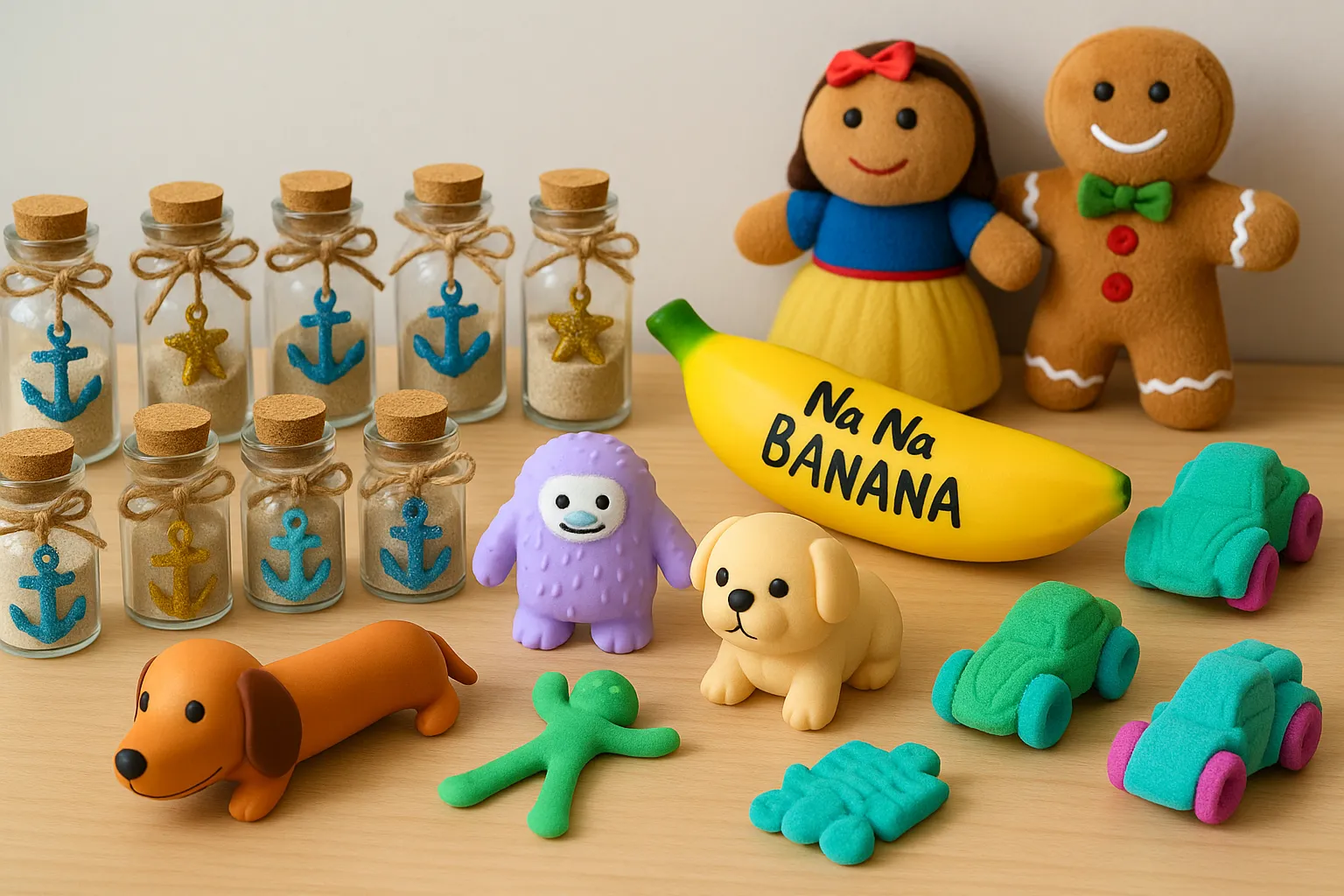
Story Highlight
– Twelve toys recalled in UK due to asbestos contamination.
– Consumers urged to stop use and keep away from children.
– Affected items violate Toys (Safety) Regulations 2011.
– Contaminated sand poses serious health risks even at low levels.
– Customers should return products for refunds at retailers.
Full Story
The Office for Product Safety and Standards (OPSS) has issued a recall of 14 products, including 12 toy items and doorstops, due to concerns regarding potential asbestos contamination. This recall highlights a significant health hazard associated with the items, which have been found to contain sand that could be tainted with traces of asbestos. Given the serious implications of such exposure, the public is strongly advised to discontinue the use of these products immediately and to ensure they are stored out of the reach of children.
The presence of asbestos, a known carcinogen, poses serious health risks even at minimal exposure levels, prompting regulatory authorities to act swiftly. The recalled items do not comply with the Toys (Safety) Regulations 2011, which sets stringent standards for toy safety in the UK.
In a detailed reporting of the situation, consumers are encouraged to follow specific safety guidance. PMS International, a key manufacturer of the affected products, has advised individuals to take immediate action in case they own any of the recalled items. The recommended procedure involves placing the items in a robust plastic bag, securely sealing it with double tape, and clearly labelling it before storing it away in a secure location away from children.
Additionally, in case of spillage of the sand from these toys, the affected area should be cleaned meticulously with wet cloths to mitigate the risk of dust formation, which could lead to inhalation of asbestos particles. It is further recommended that individuals handling the clean-up wear protective gloves and masks to safeguard their health. Once the clean-up is completed, any items worn during the process should also be disposed of safely by double-bagging them.
Customers who have purchased any of the listed items are urged to return them to their point of purchase for a full refund. Corporate compliance with safety standards remains a critical issue, and the OPSS is working to ensure that such lapses do not endanger consumers.
The complete list of affected products includes:
– Wizz Toys 7.4cm x 4cm Wishing Bottles
– Wizz Toys 7.8cm Gold Charms Wishing Bottles
– Wizz Toys 7.8cm Blue Anchor Wishing Bottle
– Wizz Toys 6.5cm Decorative Wishing Bottle
– Wizz Toys 7.5cm x 4cm Shells Decorative Wishing Bottle
– Wizz Toys 15cm Nana Banana Stress Toy
– Haunted House Jumbos and Filled Critters Toys
– Wizz Toys Squishy Sausage Dog
– Wizz Toys Squishy Puppies
– Wizz Toys Squishy Sand Yeti Monsters
– Wizz Toys Jumbo Mr Splat Stretch Men
– Wizz Toys 13.5cm Dino Sand Stretchy Racers
– Snow White 27cm Standing Gingerbread Doorstops
– 32cm Standing Gingerbread Doorstops
This recent recall is part of a broader initiative that has seen numerous products pulled from the shelves, with a total of 167 items being recalled due to asbestos contamination concerns in recent weeks. The rise in contamination alerts has provoked widespread concern and has led to calls for enhanced scrutiny on the manufacturing processes of toys and other products that could potentially pose health risks.
As further investigations unfold into how these hazardous materials entered the consumer market, experts urge vigilance among consumers when purchasing children’s toys. They emphasize the importance of adhering to safety notifications and recalls as a measure to protect children from hazardous substances often hidden in seemingly benign products.
Local health officials and safety advocates have expressed their alarm over the discovered asbestos traces. They urge parents and guardians to remain educated and aware of the potential dangers associated with household products, particularly those marketed towards children. In light of this development, it is vital for families to conduct thorough checks of their children’s toys and household items, regularly consulting official recall lists issued by consumer safety organisations.
This call to action is a reminder of the importance of consumer safety and the need for businesses to maintain rigorous safety standards. The ongoing scrutiny from the OPSS and public health bodies serves as a crucial safeguard, ensuring that items reaching consumers meet strict safety regulations.
With the potential health implications associated with asbestos exposure, public awareness and responsiveness are paramount. The information shared through recalls like this fosters community awareness and encourages proactive approaches to consumer safety and responsible purchasing. Future regulations may evolve from these incidents, leading to stricter guidelines on materials used in toy manufacturing to prevent similar occurrences in the future.
In conclusion, the recent wave of product recalls signifies an urgent need for continuous monitoring of consumer products for safety and compliance. Families are urged to stay informed and engaged with product safety updates to ensure a safe environment for their children. As the investigation into these recalled products continues, it remains essential for consumers to heed safety warnings and take appropriate action in returning any affected items.
Our Thoughts
The recent recall of toys contaminated with asbestos highlights significant lapses in compliance with UK health and safety legislation, particularly the Toys (Safety) Regulations 2011, which prohibit hazardous substances in toys. To avoid such incidents in the future, stringent quality control measures should be implemented by manufacturers to ensure that all raw materials, especially those involving sand, are tested for asbestos contamination before use.
Furthermore, import regulations should be reinforced to prevent contaminated products from entering the UK market. Regular audits and inspections by the Office for Product Safety & Standards would create greater accountability in supply chains, reducing the risk of dangerous products being sold to consumers.
Key safety lessons include the importance of thorough risk assessments and ensuring active communication between manufacturers, suppliers, and regulatory bodies. Public awareness campaigns regarding product recalls and safe disposal methods for contaminated items will also help mitigate health risks associated with asbestos exposure. Regular training for manufacturers on compliance with health and safety regulations is essential to enhance overall safety standards and protect consumers from similar incidents in the future.