














Story Highlight
– Puratos Ltd fined £120,000 for worker asthma risks.
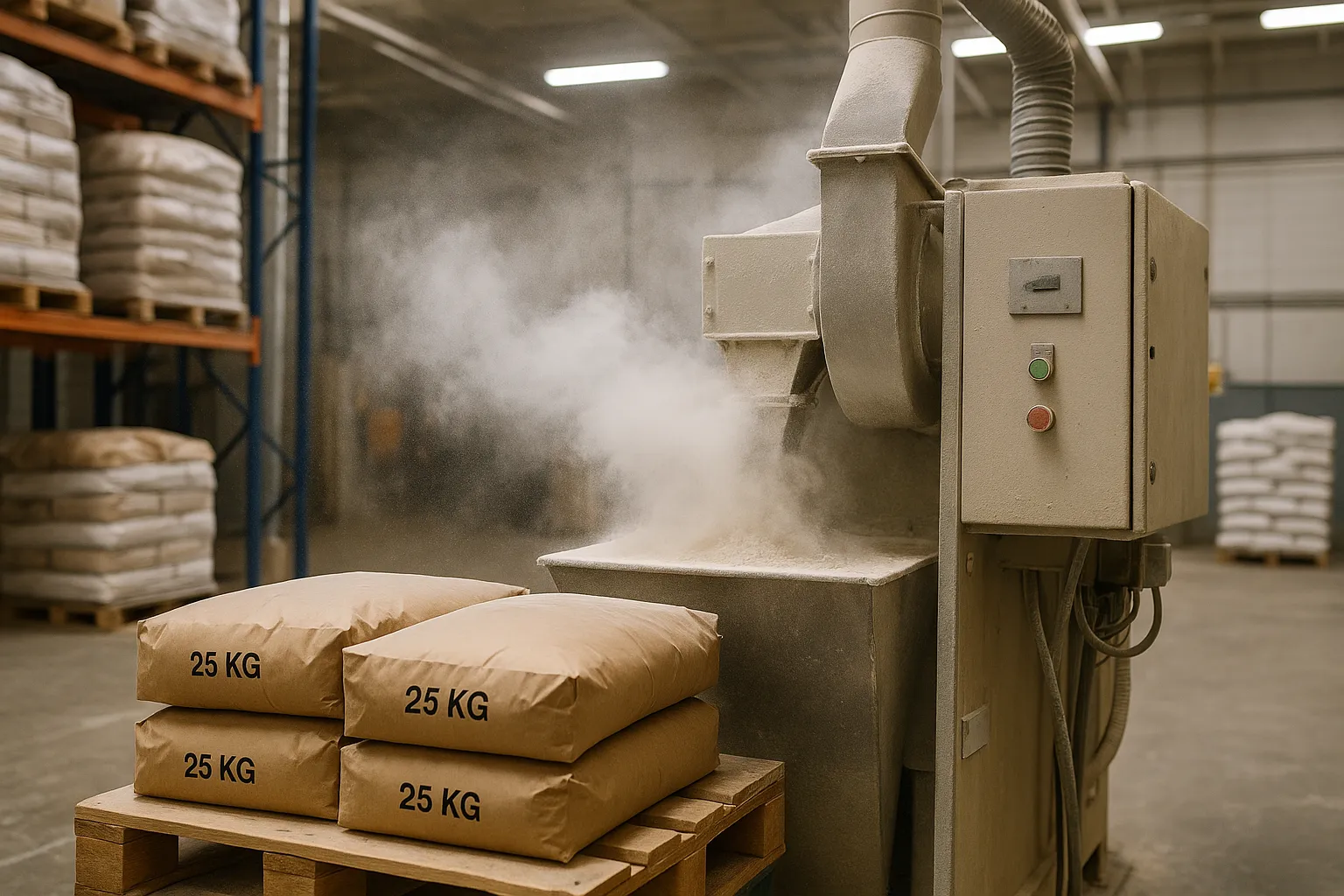
– Dust leakage from machinery observed during an inspection.
– Workers manually lifting 25kg sacks daily posed risks.
– HSE emphasizes need for better protections in bakeries.
– Company previously faced enforcement action in 2021.
Full Story
A bakery ingredients manufacturer has faced significant penalties after failing to adhere to safety regulations, resulting in a fine of £120,000. The fines stemmed from inspections carried out by the Health and Safety Executive (HSE) that revealed serious risks to employee health at Puratos Ltd’s facility located on Buckingham Industrial Park, Buckinghamshire.
During a December 2024 inspection, HSE officials identified that dust was escaping from machinery, posing a risk to workers who could potentially develop respiratory issues such as asthma due to prolonged exposure to airborne particles. Moreover, the investigation revealed that employees were regularly required to lift heavy sacks of ingredients weighing 25 kilograms (55 pounds) without sufficient safety measures in place, which could lead to acute injuries.
On Friday, at Milton Keynes Magistrates’ Court, Puratos Ltd was deemed guilty of violating the Health and Safety at Work Act 1974, alongside being mandated to cover additional costs amounting to £6,270. This recent ruling is part of ongoing scrutiny of the company’s practices, as the HSE had previously taken enforcement action against Puratos back in 2021 for similar safety breaches related to dust exposure and manual handling concerns.
Emma Page, an inspector from the HSE, expressed her concern over the repeated incidents within the bakery sector, stating, “Too many workers in bakeries are suffering from unnecessary exposure to dusty ingredients, including flour.” Page highlighted the importance of implementing proper safety measures, as injuries caused by unsafe handling can have severe implications for workers’ health.
The HSE has intensified its inspection efforts across various large bakery operations in England since the beginning of 2025. This initiative aims to ensure that companies comply with health and safety regulations, particularly in relation to the dangers associated with handling dusty materials and heavy loads. Page reinforced the need for employers to assure the safety of their workforce, adding, “In the food and drink industries, around one-third of reportable injuries are acute injuries caused by handling and lifting. Employers must ensure they are properly protecting workers from the dangers of dusty ingredients and the manual handling of heavy materials.”
Puratos Ltd has been active in expanding its operations, as it announced plans in February to enhance its facility to accommodate increased production of various bakery components, including fillings, patisserie glazes, and sourdough products. The company noted that there is a growing demand across the UK for high-quality bakery ingredients, prompting this expansion. However, this ambition now raises questions about the company’s commitment to maintaining health and safety standards in the face of such growth.
The HSE’s ongoing inspections highlight a critical area of concern for the industry, where compliance with safety regulations is not only a legal obligation but also a moral imperative to protect employees. The risks associated with occupational asthma and other injuries related to lifting heavy weights are significant, making attention to proper safety protocols essential.
This ongoing situation also sparks a more extensive conversation about the responsibilities of food manufacturing companies towards their employees. It is crucial for businesses in the sector to proactively address safety issues and ensure that adequate measures are put in place. The consequences of neglecting these responsibilities can result not only in legal penalties but also a detrimental impact on employee well-being and morale.
The visibility of bakery operations, as they expand and adapt to changing consumer demands, necessitates a parallel progression in safety standards and workforce protection. Stakeholders in the food industry must work collectively to advocate for robust safety practices that can prevent future incidents and protect the rights of workers across the sector.
As Puratos Ltd continues to develop its offerings in response to market demands, the need for an unwavering focus on health and safety will be paramount. Worker safety must remain a priority to foster a sustainable and ethical working environment.
The recent developments at Puratos Ltd come amidst a broader industry trend, where the HSE has ramped up its efforts to inspect bakeries and food production facilities, emphasizing that compliance with health and safety legislation is critical to safeguarding worker health and preventing avoidable injuries.
For those who may have insights or experiences related to health and safety practices in the food and drink sectors, community engagement is encouraged. Individuals can share their stories and suggestions regarding health and safety protocols within Bedfordshire, Hertfordshire, and Buckinghamshire.
To connect with the local news outlet, those interested can reach out through various platforms including social media. Such community contributions can play a vital role in heightening awareness around safety standards and promoting a culture of vigilance within local industries.
Our Thoughts
The incident at Puratos Ltd highlights several critical failures in health and safety practices. To prevent such occurrences, the company should have conducted thorough risk assessments and implemented effective control measures, as mandated by the Health and Safety at Work Act 1974. Regular maintenance of machinery to prevent dust leakage and ensuring proper ventilation could have mitigated the risks of respiratory problems for workers.
Additionally, safer lifting practices must be employed to avoid manual handling injuries. This could include using mechanical aids for handling heavy sacks or ensuring adequate training and assessments for employees engaged in manual handling tasks. The company’s previous enforcement action in 2021 indicates a failure to learn from past mistakes, highlighting a need for a robust safety management system.
Breach of regulations related to exposure to hazardous substances (Control of Substances Hazardous to Health Regulations 2002 – COSHH) and manual handling (Manual Handling Operations Regulations 1992) is evident. To prevent similar incidents, ongoing training, regular health surveillance, and a proactive safety culture are essential within the workplace.