















Story Highlight
– Cannabis remains a class B drug in the UK.
– Possession can lead to up to five years imprisonment.
– Neighbors can report cannabis use as a nuisance.
– Police may issue fines but prioritize serious offenses.
– Landlords can take action against tenants using cannabis.
Full Story
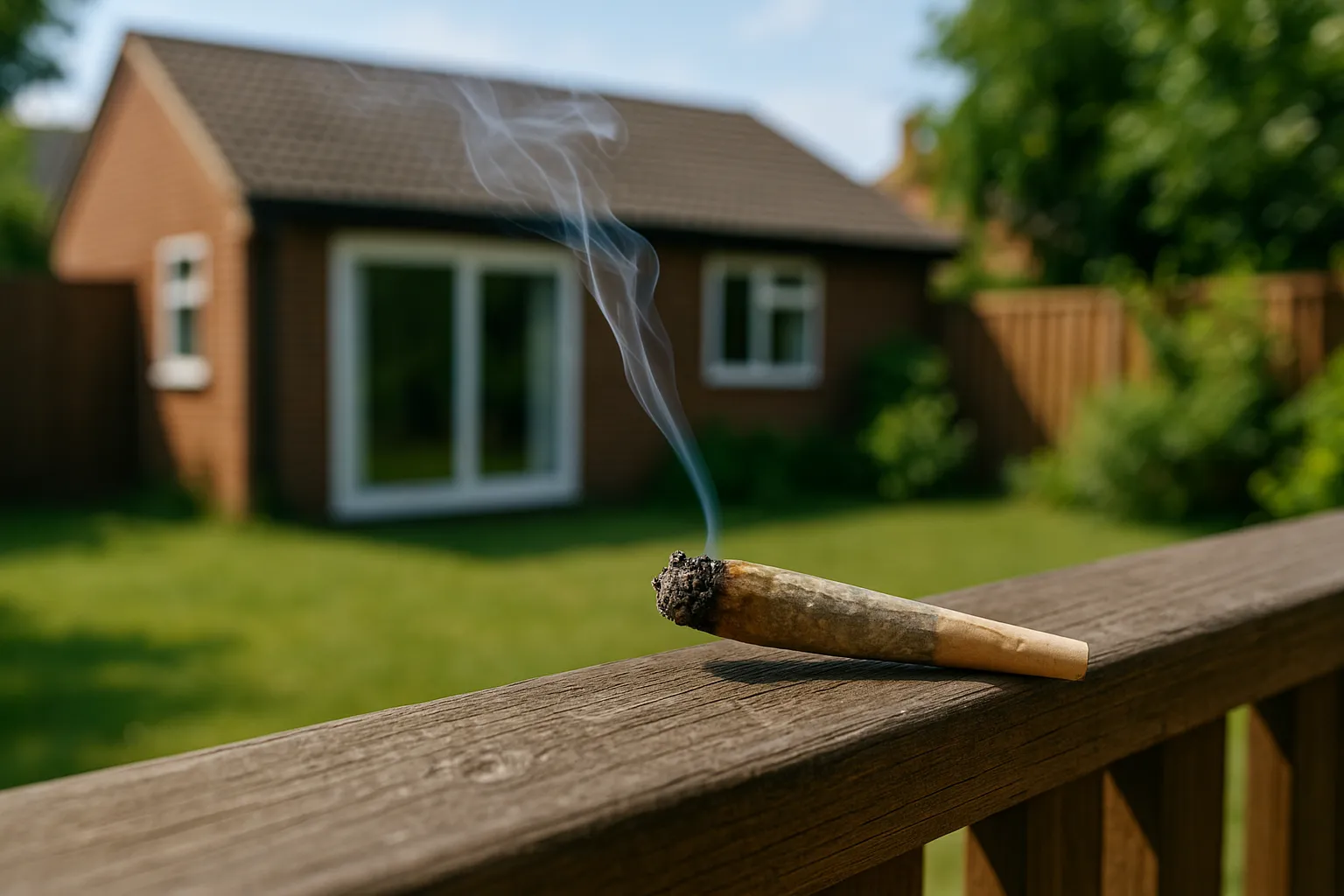
Changes to cannabis legislation in the UK have left some individuals uncertain about the drug’s legal status. Despite adjustments in recent times, cannabis remains classified as a Class B substance, meaning possession may lead to penalties including a prison sentence of up to five years. While some members of the public choose to adopt a ‘live and let live’ philosophy regarding cannabis use, the odour emanating from a neighbour’s property can become a pressing issue, particularly for those living nearby.
Under the Misuse of Drugs Act 1971, cannabis is still illicit, although recent amendments have allowed for its prescription by specialist physicians since 2018. However, even for medicinal purposes, smoking cannabis is not permitted. Mariam Abu Hussein, a legal expert from Lawhive, emphasises that “while you might not usually be bothered by what your neighbours get up to behind closed doors, the truth is cannabis odours can be pungent, and dangerous if you have young children that play in the garden. The smell of weed may also put off potential buyers from putting down an offer on your house.”
Abu Hussein further clarifies the legal misconceptions surrounding cannabis use: “If a neighbour is smoking drugs in their garden or elsewhere at home, this is against the law… Some people believe an urban myth that says you are allowed to smoke cannabis in the UK as long as it is on private property. Like many myths, this simply isn’t true.” Individuals caught with cannabis may receive on-the-spot fines typically amounting to £90, though police have the discretion to issue warnings as well. The consequences can escalate significantly, as possession could potentially lead to a maximum prison sentence of five years.
Concerns about smoke from a neighbour’s property can also be addressed through local council channels. Mariam Abu Hussein highlights the authority councils hold in these matters, saying: “Councils can investigate smoke coming from premises that is classed as a statutory nuisance, this is outlined in the Environmental Protection Act 1990.” Smoke is deemed a statutory nuisance if it significantly interferes with the reasonable enjoyment of one’s home or premises, or poses a risk to health.
While there is no definitive criterion for what qualifies as a nuisance, substantiating any claims may allow residents to seek assistance from their council. Nevertheless, it is likely that reported issues will be forwarded to the police, as smoking cannabis remains an illegal act. An abatement notice, which compels the offending party to cease their actions, does not deal with the legal ramifications of cannabis possession.
From a policing perspective, constabularies have noted a trend of diminishing emphasis on personal cannabis use, leading to a marked reduction in recorded possession offences. However, police departments maintain a strict stance on smoking cannabis in the vicinity of vulnerable individuals, particularly children, as well as near educational institutions. Authorities encourage the public to report illicit activities, assuring confidentiality to those who provide information. Residents can also reach out anonymously through services like Crimestoppers at 0800 555 111. The penalties for supplying cannabis can be severe, with offenders facing up to 14 years in prison, alongside potential fines.
For those apprehensive about involving law enforcement, approaching a neighbour’s landlord represents an alternative avenue to address the issue, particularly if the tenant is renting. Should there be a well-structured tenancy agreement in place, any cannabis use may constitute a breach. A spokesperson for the National Landlords Association highlighted that landlords who suspect illicit activities should conduct property visits, ensuring to notify tenants in advance.
Chris Norris from the National Landlords Association remarked, “While we recommend taking references of prospective tenants from former employers or landlords before offering a tenancy, it can also be necessary to make checks on the property after they have moved in. These should be carried out quarterly if there are any concerns but make sure that you give the tenant or tenants sufficient notice beforehand so as not to disrupt privacy.” He also advised landlords to engage with neighbouring residents, as they can provide crucial information if they observe or smell cannabis use from the property.
In the event that these routes prove unsuccessful, residents may need to consider pursuing legal action to resolve disputes with their neighbours. It is important to note that anything involving the courts will likely entail legal fees and may require the support of a solicitor.
Overall, the complexities surrounding cannabis use in residential areas pose challenges for both neighbours and authorities alike. As people navigate these issues, understanding the legal framework and available options is essential for maintaining community standards and ensuring the well-being of all residents.
Our Thoughts
To prevent the issues highlighted in the article regarding cannabis use and related nuisances, several key actions could be taken. Firstly, clearer communication and education about the legal status of cannabis under the Misuse of Drugs Act 1971 can help dispel myths among the public. Local councils should proactively raise awareness about the implications of cannabis use and their role in handling complaints as outlined in the Environmental Protection Act 1990, specifically regarding statutory nuisances.
Additionally, landlords must ensure tenancy agreements explicitly prohibit illegal activities, including drug use, and implement regular property checks with adequate notice to uphold these agreements effectively. Strengthening the monitoring of rental properties can deter illegal actions and address potential issues sooner.
Relevant regulations potentially breached in such scenarios include the Misuse of Drugs Act 1971 concerning the illegal use of cannabis and the Environmental Protection Act 1990 regarding nuisances affecting residential enjoyment. Prevention of similar incidents could involve collaborative strategies between local authorities, police, and landlords to handle cannabis-related complaints, ensuring a safer environment for all residents, especially vulnerable individuals.